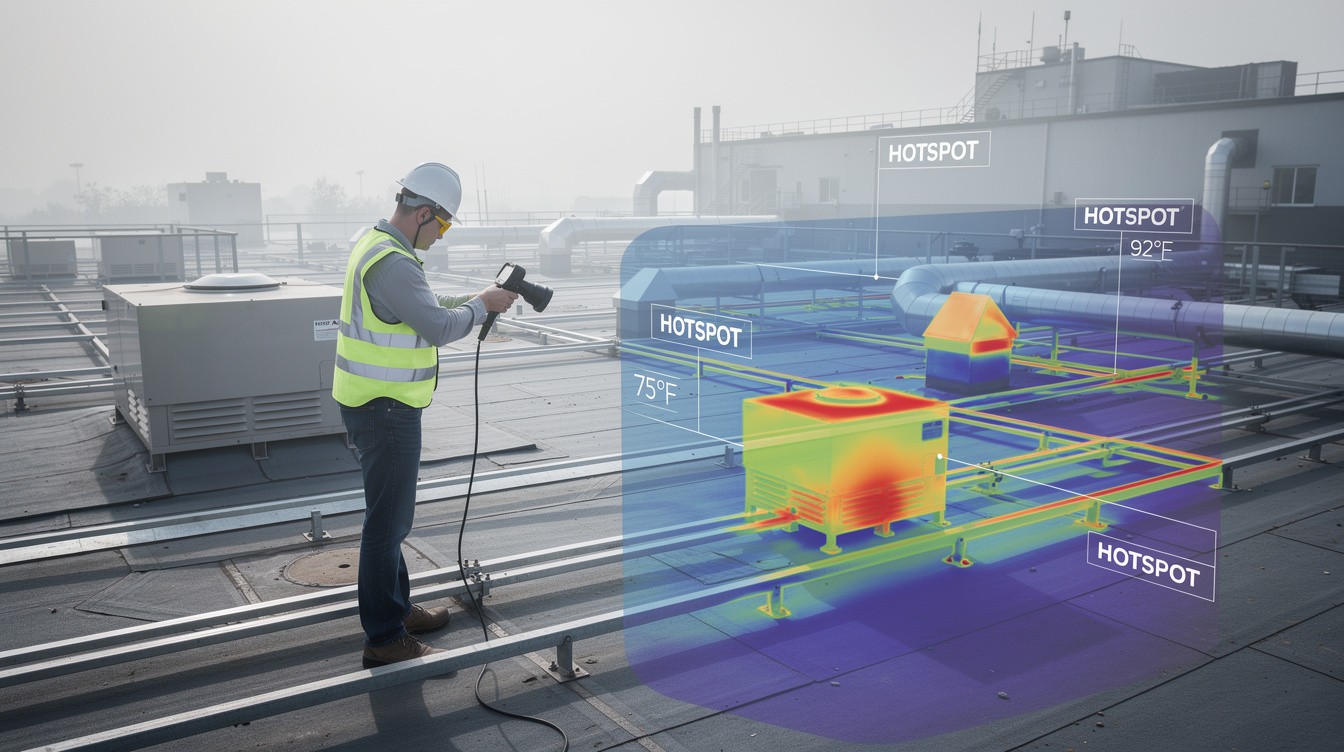
Industrial thermal inspections catch problems that the naked eye misses. At IE Drone Services, we’ve seen countless facilities lose thousands in energy costs and equipment damage simply because issues went undetected until they became emergencies.
A single roof leak or failing electrical connection can spiral into catastrophic losses. The good news is that thermal imaging technology gives you the visibility to act before that happens.
What Makes Thermal Inspections Worth the Investment
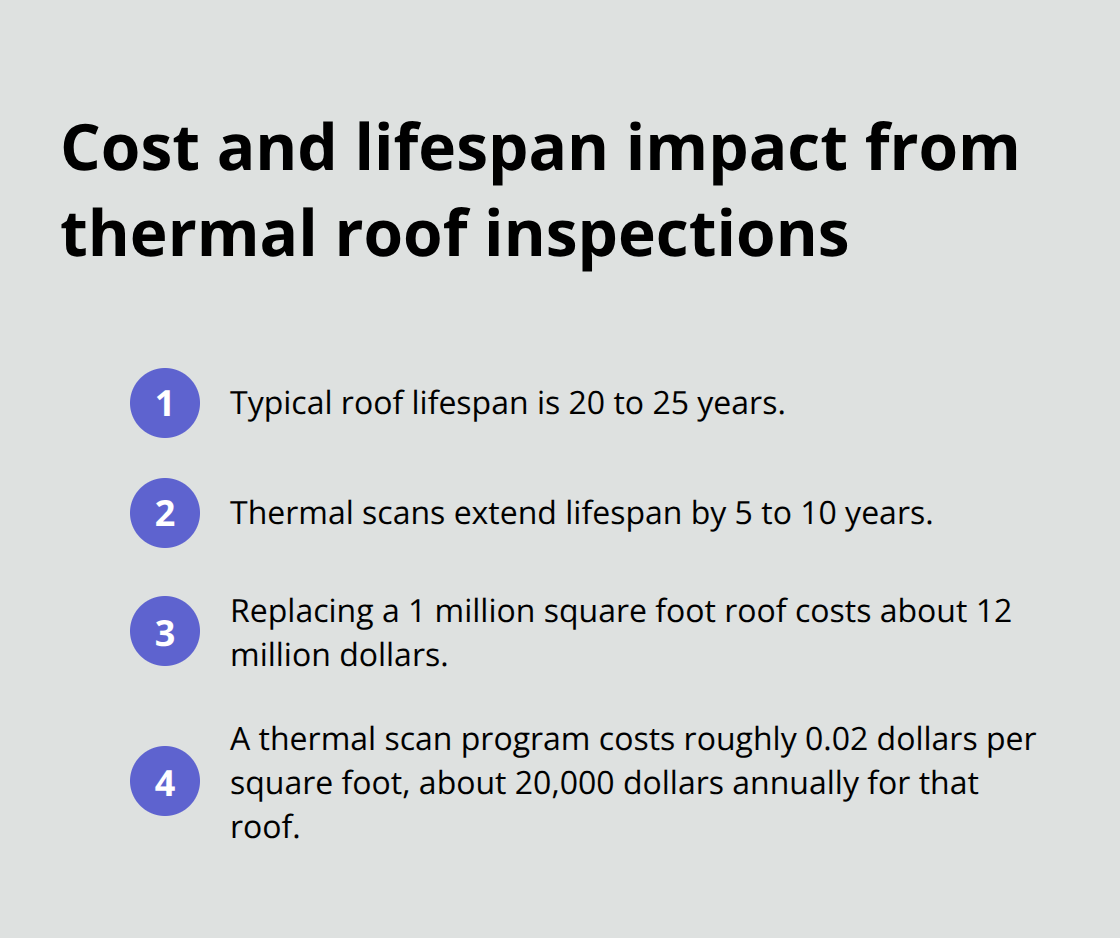
Energy waste in industrial facilities happens silently. A facility with a 100,000 to 1 million square foot roof loses heat through failed insulation, deteriorating seals, and moisture intrusion-issues that remain invisible until energy bills spike or structural damage appears. Thermal imaging reveals these problems in real time by detecting temperature variations that indicate where heat escapes and where moisture has accumulated. Cold spots on a roof signal water penetration into the insulation, and these thermal signatures allow technicians to pinpoint exactly where repairs are needed rather than guessing or tearing into the structure. A preventive maintenance program delivers measurable cost savings, and thermal inspections serve as the first line of defense in that approach. Facilities operating in Ontario-style climates face roofs that typically last 20 to 25 years, but regular thermal scans extend that lifespan by 5 to 10 years by catching moisture and deterioration early. That matters because replacing a 1 million square foot roof costs around 12 million dollars-a thermal scan program at roughly 0.02 dollars per square foot, or about 20,000 dollars annually for that same roof, delivers massive financial protection.
Equipment Failures Cost More Than You Think
Electrical systems and rotating equipment fail without warning when thermal issues go undetected. Hot spots in electrical switchgear, overloaded circuit breakers, and bearing overheating in large motors precede failures that halt production lines and idle workforces. A single unplanned outage in heavy industry costs thousands per hour, making prevention vastly cheaper than reaction. Thermal cameras catch these anomalies before they trigger shutdowns because they show heat signatures that indicate imminent failure-a bearing running 20 degrees hotter than baseline, a termination point developing excessive resistance, or a gasket beginning to fail. Maintenance programs integrating thermal data reduce breakdowns and cut downtime by identifying issues before they escalate. The same approach indicates production increases when facilities shift from reactive to scheduled inspections. Warehouses, hospitals, and distribution centers benefit most because their operations depend on continuous power and climate control, and any interruption directly impacts service delivery or product integrity.
Why Professional Assessment Changes Everything
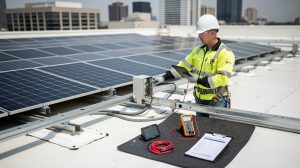
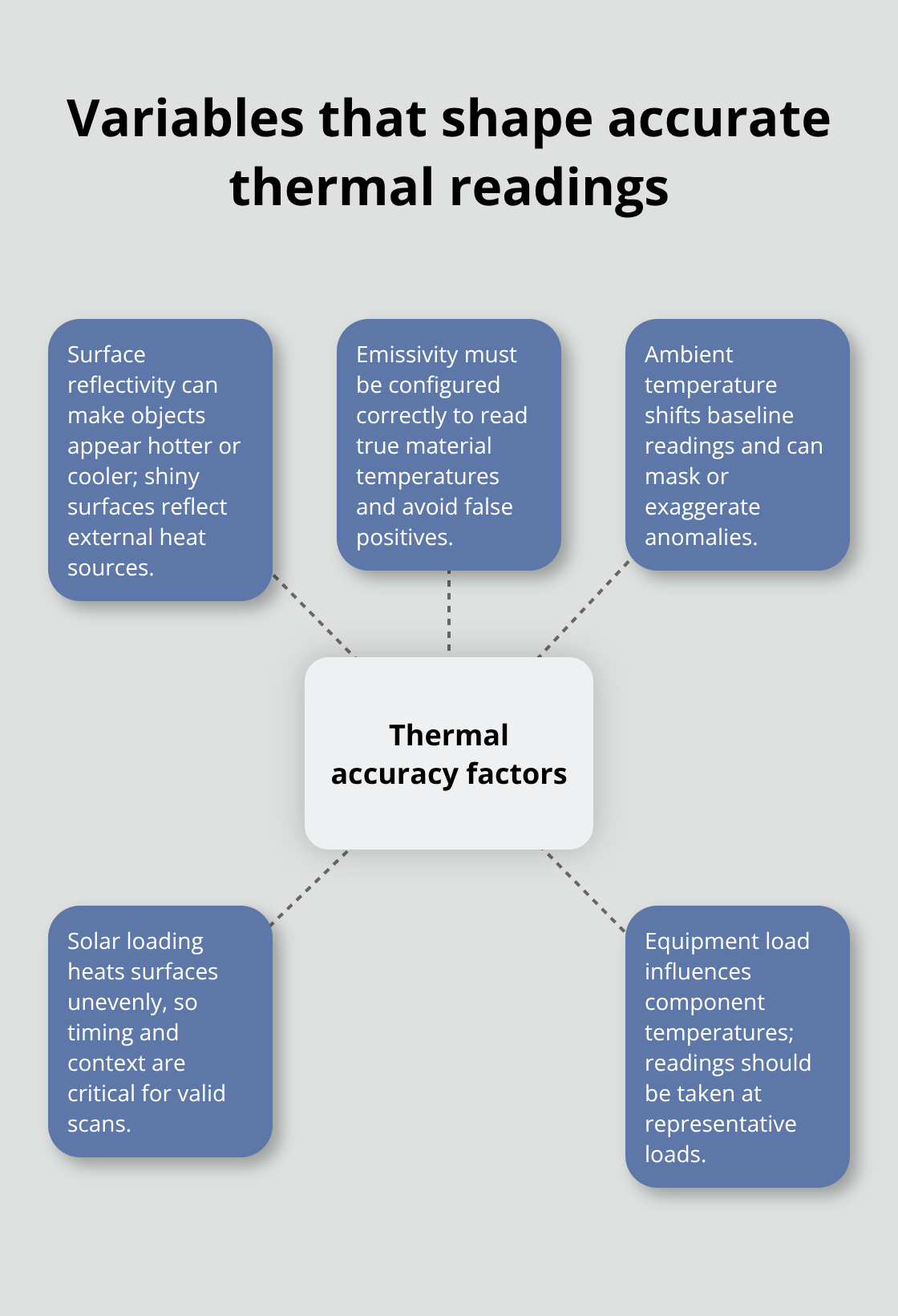
Interpreting thermal data requires expertise that goes beyond pointing a camera at equipment. Surface reflectivity, emissivity, ambient temperature, and solar loading all affect thermal readings, meaning amateur assessments frequently produce false positives or miss genuine threats. Professional thermographers account for these variables, establish baselines for your specific equipment, and identify patterns that predict failure. Certified professionals document conditions, preserve baseline images, and build a long-term database so that temperature trends become visible-when a motor bearing reads 5 degrees higher than last month, that trend matters more than a single reading. This approach transforms thermal imaging from a snapshot into a strategic asset management tool that guides maintenance scheduling and budget allocation with confidence.
How Drone-Based Inspections Enhance Safety and Accuracy
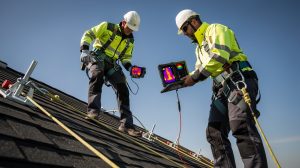
Large or steep industrial roofs present significant safety risks when inspectors work at height. Aerial thermal assessment eliminates personnel exposure to these hazards while capturing comprehensive data across expansive roof areas. High-resolution infrared cameras mounted on drone platforms detect thermal anomalies that ground-level equipment might miss, particularly on complex roof assemblies with multiple layers or metal components. This combination of aerial perspective and thermal precision accelerates inspections and reduces the time your facility operations face disruption. The data collected from drone-based thermal surveys feeds directly into maintenance planning, allowing you to prioritize repairs based on actual thermal evidence rather than assumptions.
Your facility’s assets depend on early detection and strategic maintenance. The next section explores how to select the right inspection approach and partner with professionals who deliver actionable results.
What Thermal Imaging Actually Reveals on Your Roof and Equipment
Detecting Moisture Before It Spreads
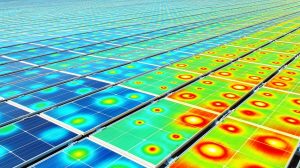
Moisture on industrial roofs appears as cold spots in thermal images because water alters how surfaces absorb and release heat. When a thermal camera scans your roof at night, a few hours after dusk and ideally following rain, wet insulation retains heat differently than dry material, creating a visible temperature differential that pinpoints exactly where water has penetrated. A single undetected leak traveling through multi-layer roof assemblies migrates behind walls and along structural members long before any visible stain appears on a ceiling. Water compromises insulation, degrades structural integrity, and creates conditions for mold growth before you notice damage inside. Thermal imaging catches these problems in real time rather than waiting for catastrophic failure.
Moisture detection becomes exponentially more valuable on large facilities with 100,000 to 1 million square foot roofs because manual inspection of that scale proves impractical and incomplete. A thermal scan program identifies moisture zones systematically, allowing technicians to prioritize repairs based on actual thermal evidence rather than guesswork. The technique works best on surfaces with sufficient thermal contrast-reflective white TPO membranes or heavily shaded areas produce less reliable results than darker or exposed surfaces. Professional interpretation matters enormously because a certified thermographer accounts for these variables and understands which thermal anomalies indicate genuine moisture versus false positives from solar heating patterns or surface contaminants.
Catching Equipment Failures Before They Shut You Down
Electrical systems and mechanical equipment fail when thermal signatures go unmonitored, but thermal cameras catch the warning signs long before shutdowns occur. Overloaded circuit breakers, faulty terminations, and bearing overheating in large motors all produce measurable temperature increases that precede failure by days or weeks. A bearing running consistently 20 degrees hotter than baseline indicates imminent failure, while a circuit breaker showing thermal buildup signals resistance that will eventually trigger an outage.
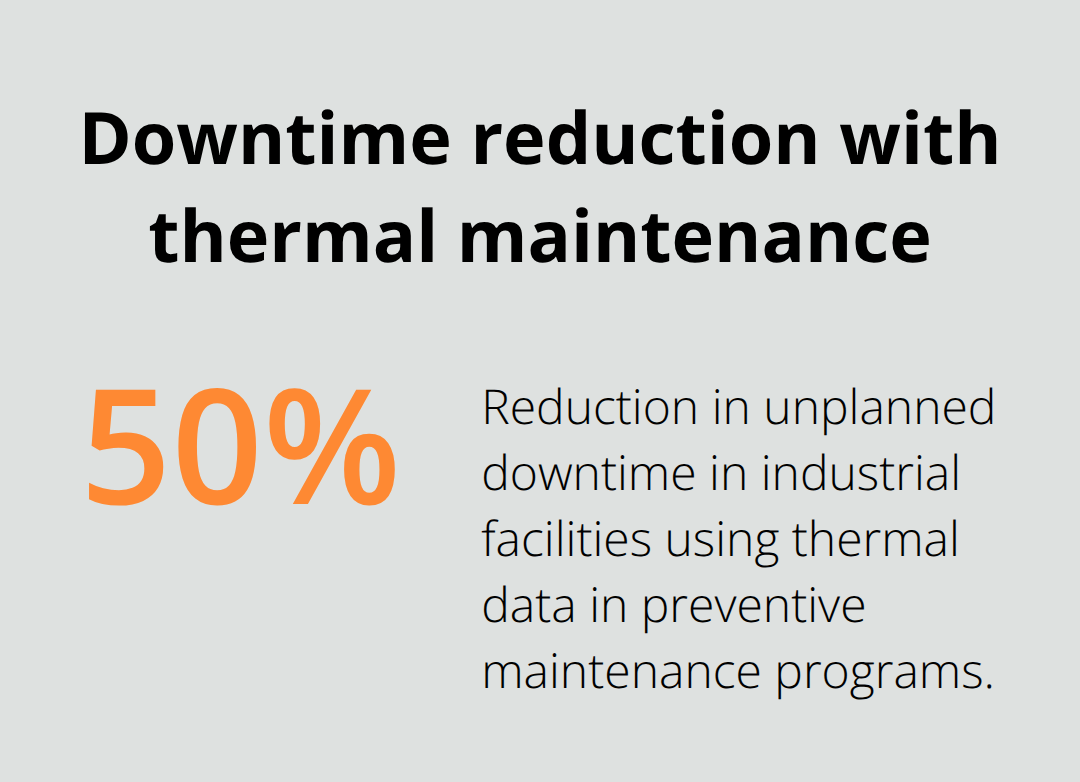
Industrial facilities integrating thermal data into preventive maintenance programs reduce unplanned downtime by up to 50 percent. Warehouses, hospitals, and distribution centers benefit most because their operations cannot tolerate interruption-any unplanned outage costs thousands per hour in lost productivity or compromised service delivery. Production increases when facilities shift from reactive to scheduled inspections, making thermal monitoring a direct contributor to operational efficiency.
Revealing Insulation Performance and Energy Loss
Insulation performance across roofs, walls, and insulated process pipes reveals itself through thermal imaging by showing heat loss patterns that indicate where energy escapes and where thermal bridging occurs at wall-roof junctions. These insights guide targeted insulation improvements that reduce HVAC loads and lower operating costs. Professional thermographers establish baseline temperatures for your specific equipment and facilities, then build a database of readings over time so that trends become visible rather than relying on isolated snapshots.
This systematic approach transforms thermal imaging from a diagnostic tool into a strategic asset management system that informs maintenance scheduling, budget allocation, and risk prioritization with confidence and measurable ROI. The data collected reveals not just current problems but patterns that predict future failures, allowing you to allocate resources where they matter most.
Why Professional Expertise Separates Results from Guesswork
Surface reflectivity, emissivity, ambient temperature, and solar loading all affect thermal readings, meaning amateur assessments frequently produce false positives or miss genuine threats. Certified professionals account for these variables and interpret thermal data with the expertise that goes beyond pointing a camera at equipment. A thermographer who understands your facility’s specific conditions, equipment baselines, and environmental factors delivers actionable intelligence rather than raw thermal images.
When you partner with professionals who establish baselines and track trends over time, thermal imaging becomes a predictive tool rather than a reactive one. Temperature increases of just a few degrees, when documented consistently, signal problems weeks before they cause shutdowns. This proactive visibility allows you to schedule maintenance strategically, avoid emergency repairs, and protect your bottom line.
The next section explores how to select the right inspection approach and partner with professionals who deliver the data you need to make confident maintenance decisions.
Starting Your Thermal Inspection Program
Thermal inspections fall into two operational categories, and the distinction matters for your budget and maintenance strategy. Scheduled inspections happen on a fixed calendar-quarterly, biannually, or annually-and serve as your primary defense against equipment failure and energy waste. Emergency assessments occur after equipment malfunction, visible damage, or unexpected energy spikes force immediate investigation. Scheduled inspections cost far less and prevent the expensive emergency calls that disrupt operations. A facility conducting quarterly thermal scans across critical equipment pays roughly the cost of a single unplanned outage, making the financial case clear. However, many industrial operations skip scheduled work until something breaks, then scramble to hire inspectors while production halts. This reactive approach guarantees higher costs because emergency assessments command premium pricing and address damage that has already cascaded through your systems.
Determine Your Inspection Frequency Based on Operational Risk
Your facility’s specific risk profile determines the right inspection frequency, and waiting until failure occurs virtually guarantees expensive consequences. Warehouses and hospitals cannot tolerate downtime, so monthly or quarterly thermal monitoring of electrical systems and HVAC equipment makes financial sense. Distribution centers handling perishable goods face even tighter margins because a single cooling failure ruins inventory. A facility operating critical equipment should establish a baseline inspection schedule tied to operational criticality rather than waiting for problems to surface.
Select Certified Thermographers Who Deliver Actionable Data
Certified thermographers separate actionable data from misleading thermal images, and this distinction directly impacts your maintenance decisions. A Level II or Level III certified thermographer understands how surface reflectivity, emissivity, ambient temperature, and equipment load affect thermal readings, allowing them to account for variables that produce false positives or obscure genuine problems. An uncertified operator pointing a thermal camera at your roof or electrical panel generates images that look professional but may trigger unnecessary repairs or miss developing failures. When selecting an inspection partner, verify credentials through the Infrared Training Center or equivalent certifying body, then request sample reports showing how they document baseline temperatures, establish comparison points, and interpret trends over time.
Build a Long-Term Database to Predict Failures
Professional inspectors build a long-term database of thermal signatures, meaning the second inspection becomes exponentially more valuable than the first because temperature increases signal problems weeks before shutdown occurs. This longitudinal approach transforms thermal data from a snapshot into a predictive tool. After inspections complete, demand a detailed report that specifies equipment temperatures, identifies anomalies with supporting evidence, and ranks repairs by urgency and financial impact. Use this data to allocate maintenance budgets strategically rather than spreading resources across guesswork.
Prioritize Repairs Based on Thermal Evidence
If a bearing consistently runs five degrees hotter than baseline, prioritize its replacement before it fails. If thermal imaging reveals moisture in specific roof zones, repair those sections first rather than replacing the entire roof. This evidence-based approach reduces overall maintenance spending while improving asset reliability and operational safety. Temperature trends matter more than isolated readings because a motor bearing that increases by five degrees month-over-month indicates imminent failure, while a single elevated reading may reflect temporary operating conditions. Professional thermographers track these patterns and alert you to problems before they cascade into expensive shutdowns.
Leverage Drone-Based Inspections for Speed and Safety
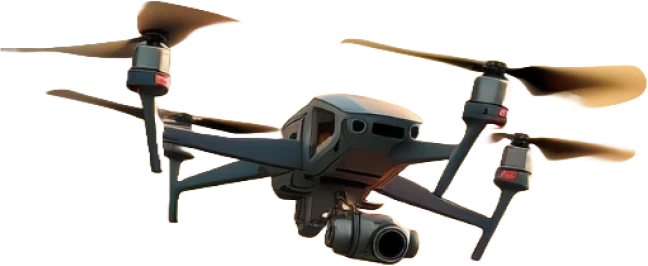
Aerial thermal assessment eliminates personnel exposure to height hazards while capturing comprehensive data across expansive roof areas. High-resolution infrared cameras mounted on drone platforms detect thermal anomalies that ground-level equipment might miss, particularly on complex roof assemblies with multiple layers or metal components. A drone thermal inspection covers your entire exterior in one pass, eliminating ladders, guesswork, and missed problem areas while accelerating inspections and reducing operational disruption. The data collected from drone-based thermal surveys feeds directly into maintenance planning, allowing you to prioritize repairs based on actual thermal evidence rather than assumptions.
Conclusion
Industrial thermal inspections protect your bottom line by catching problems before they become emergencies. A preventive maintenance program costs a fraction of what you’ll spend on unplanned downtime, emergency repairs, and equipment replacement. A facility spending $20,000 annually on thermal scans avoids the $12 million roof replacement that becomes necessary when moisture damage spreads undetected.
Professional drone-based inspections deliver faster, safer results than traditional ground-level assessments. Aerial thermal imaging eliminates personnel exposure to height hazards while capturing comprehensive data across expansive roof areas in a single pass, and high-resolution infrared cameras mounted on drone platforms detect thermal anomalies that ground-level equipment might miss on complex roof assemblies. This speed matters because your facility returns to normal operations quickly rather than enduring extended inspections that disrupt production.
We at IE Drone Services combine FAA-certified drone operations with high-resolution infrared cameras to deliver the precise, actionable data your facility needs. Contact IE Drone Services today to schedule your thermal inspection and transform your maintenance strategy from reactive to predictive.