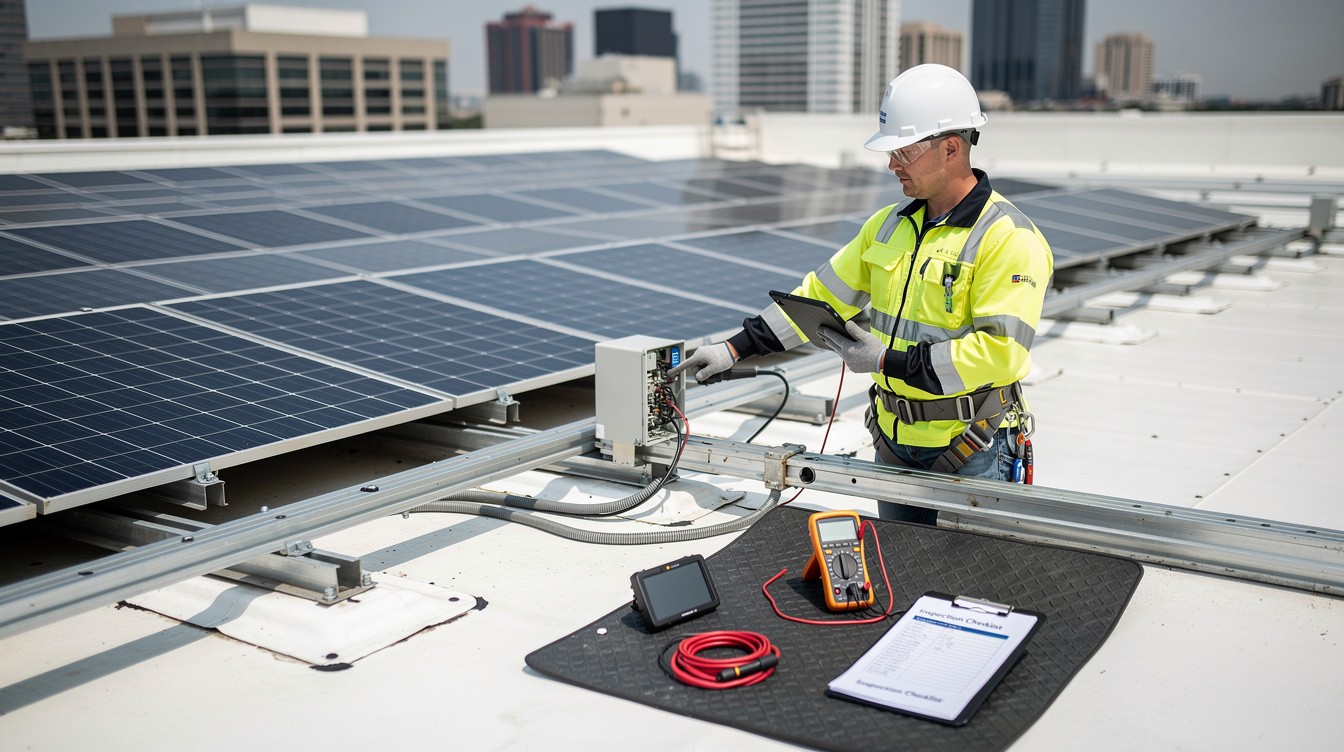
Your roof and solar panels are among your biggest investments, yet most property owners neglect them until problems become expensive repairs. At IE Drone Services, we’ve seen firsthand how roof solar inspection planning catches issues early-before they damage your system or void your warranty.
Thermal imaging and high-resolution cameras reveal what the naked eye misses. A preventive maintenance strategy protects your investment and keeps your system running at peak efficiency for years to come.
Why Regular Inspections Stop Problems Before They Get Expensive
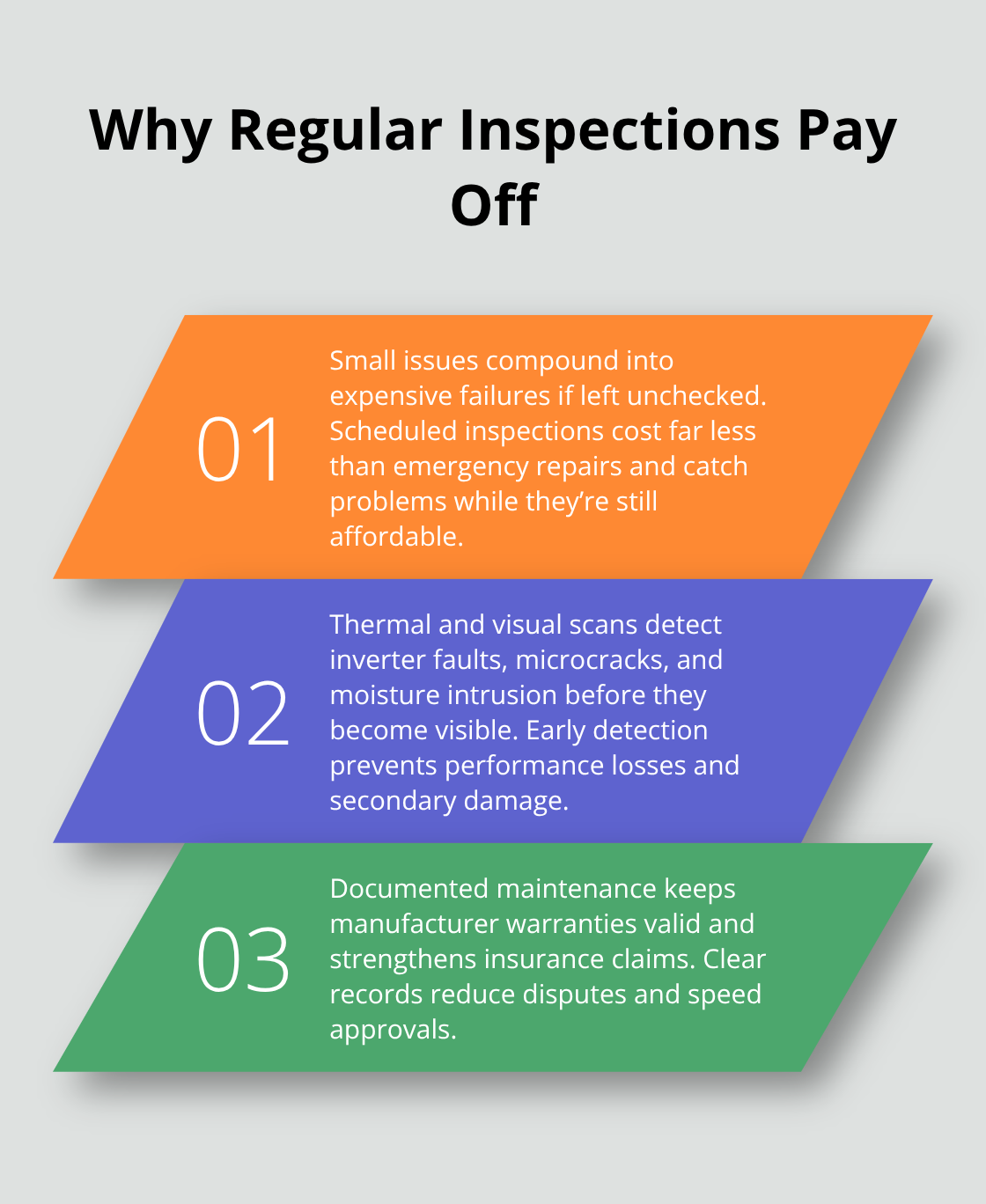
Small Issues Become Expensive Fast
Small cracks in solar panels, loose mounting hardware, or minor roof deterioration don’t announce themselves loudly. They sit quietly on your roof, growing worse with every season, until one inspection finally reveals damage that costs thousands to fix. Preventive maintenance extends roof lifespan by 30 to 100 percent, while scheduled maintenance costs roughly one-third the price of emergency repairs. This isn’t theoretical math-it’s the difference between spending $500 on a scheduled inspection and $2,000 on storm damage cleanup because you missed early warning signs.
Thermal Imaging Catches Hidden Failures
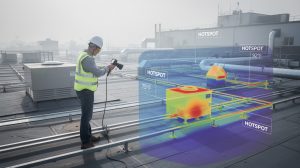
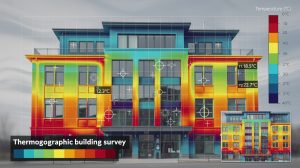
Thermal imaging reveals what your eyes cannot see. Inverter failures, panel microcracks, and roof moisture intrusion show up on thermal scans months before visible problems appear on your property. High-resolution cameras spot structural damage that threatens both your roof and your solar investment. These tools work together to identify electrical faults, connection issues, and performance drops that manual inspections miss entirely.
Your Warranty Requires Documentation
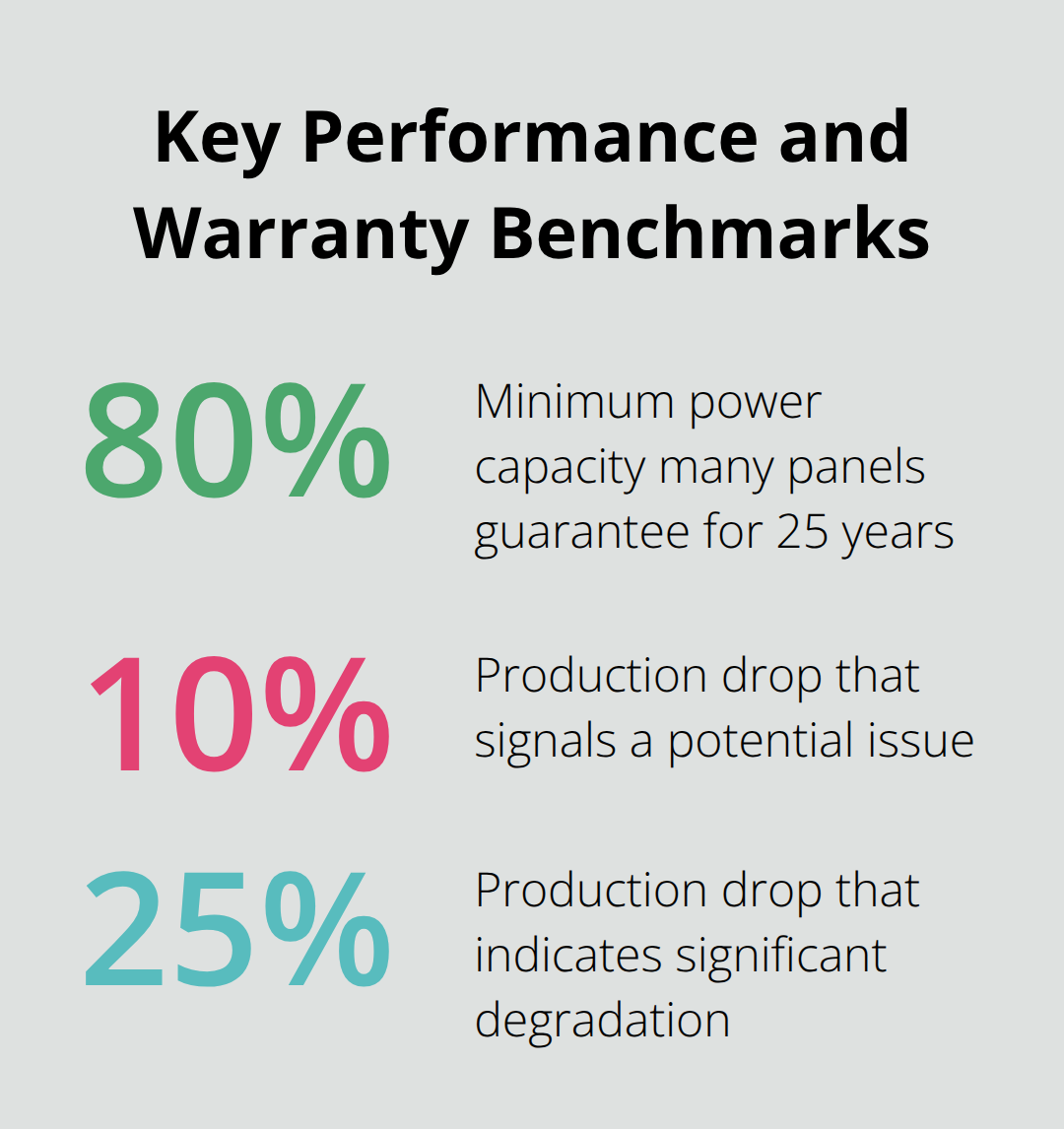
Your warranty coverage depends on documented maintenance. Most solar manufacturers require routine inspections and maintenance to keep coverage valid. Solar panels are guaranteed by their manufacturer to at least 80% of nameplate power capacity for at least 25 years. Insurance companies similarly demand proof of regular upkeep before they’ll honor claims on weather damage or system failure. Without inspection records, you’re fighting both your warranty and your insurer when problems strike (and they will strike without preventive care).
Property Owners Who Skip Inspections Pay the Price
Property owners who skip inspections often discover too late that water damage, structural deterioration, or electrical faults would have been caught and resolved cheaply during routine checks. The evidence is clear: regular roof and solar inspections aren’t optional expenses-they’re insurance policies that prevent financial disaster and keep your system producing energy at full capacity for decades instead of failing prematurely. The question isn’t whether you can afford inspections; it’s whether you can afford not to have them.
Planning Your Inspection Strategy
Understanding what happens during an inspection helps you prepare your property and set realistic expectations for the process ahead.
Why Drones Beat Ground-Level Inspections
Thermal Imaging Reveals Electrical Faults Before They Fail
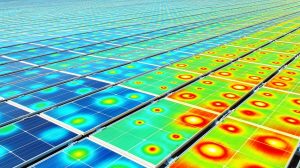
Thermal imaging from drone cameras detects electrical faults in solar panels that remain invisible during ground inspections. When an inverter fails or a panel develops microcracks, heat signatures reveal the problem weeks or months before performance data shows the decline. Infrared cameras mounted on DJI platforms map temperature variations across your entire array in a single flight, identifying hot spots that indicate connection issues, bypass diode failures, or manufacturing defects. Ground-level inspections miss these thermal patterns entirely, which means problems that infrared imaging catches early would otherwise go undetected until your energy production drops noticeably and repair costs multiply.
Aerial Cameras Spot Structural Damage Safely
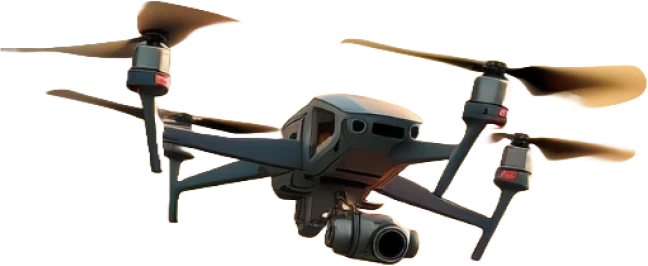
High-resolution aerial cameras spot structural damage that threatens both roof integrity and solar system safety. Drone inspections detect signs of aging such as cracked, curled, or missing shingles, worn membranes, granule loss, and deteriorating flashing. Drones access areas that are dangerous or impossible for workers to inspect safely, eliminating fall risks and liability exposure. A worker climbing a steep residential roof or navigating a multi-story commercial building creates unnecessary hazard.
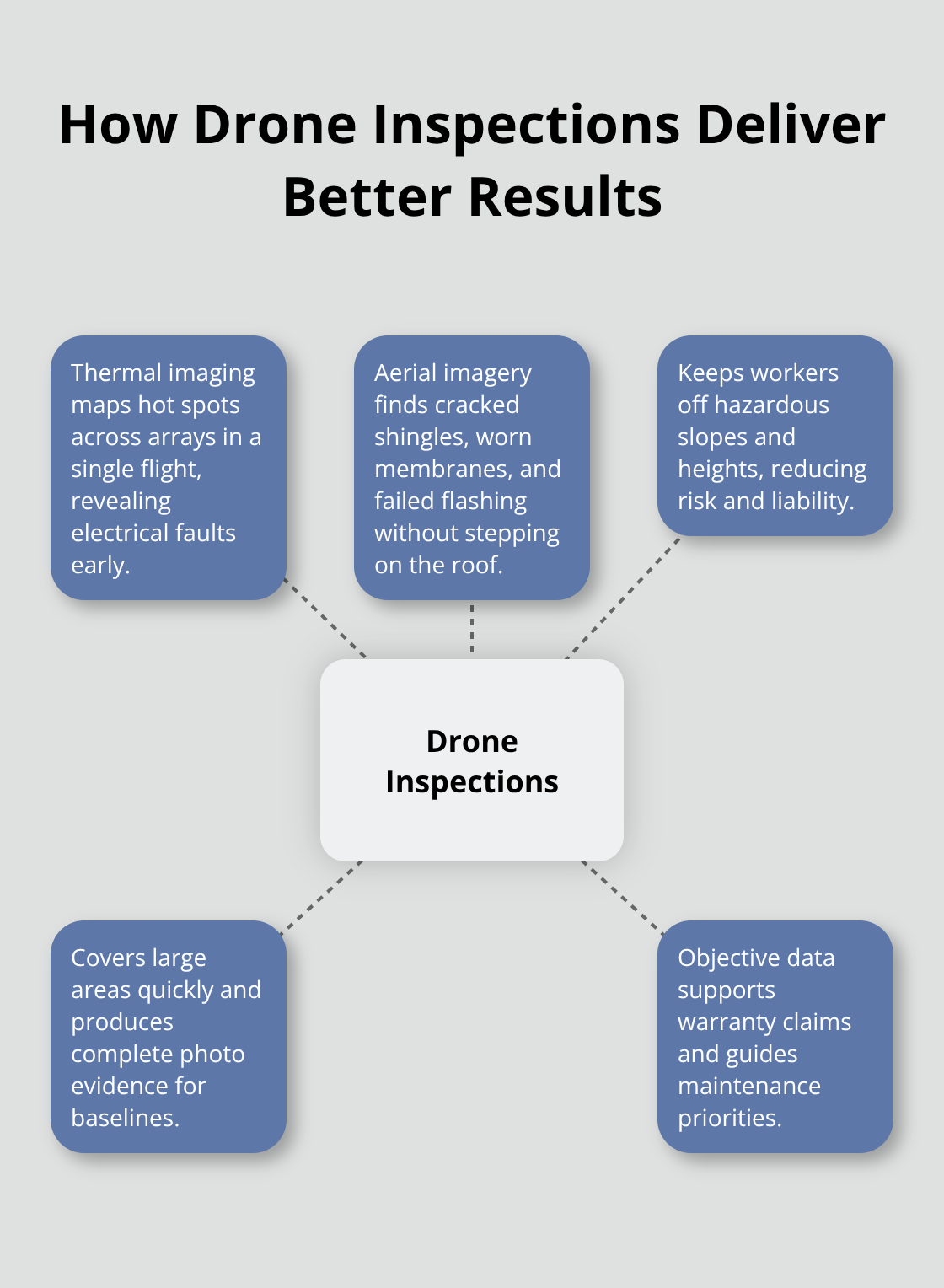
Drone inspections cover the same ground in a fraction of the time, with complete photographic documentation that serves as your baseline for future comparisons.
Documentation Protects Your Claims and Disputes
Timestamped, dated evidence of system condition proves invaluable when filing insurance claims or warranty disputes. High-resolution photos and thermal imagery create an objective record that insurers and manufacturers cannot dispute. The data tells you exactly which repairs matter now and which can wait, allowing you to prioritize spending and avoid unnecessary work. This documentation also establishes a baseline for tracking how your system changes over time, making it easier to spot new problems during future inspections.
Professional Reports Guide Your Maintenance Decisions
Detailed reports with thermal imagery, high-resolution photos, and severity ratings guide your maintenance decisions without guesswork. Professional inspectors analyze the data and translate technical findings into actionable recommendations that property owners can understand and act on. The combination of thermal and visual data eliminates ambiguity about what needs repair and what can be monitored safely. With this level of detail, you avoid both unnecessary repairs and dangerous delays in addressing genuine problems.
Understanding what happens during an inspection helps you prepare your property and set realistic expectations for the process ahead.
Creating Your Preventive Maintenance Plan
Schedule Inspections After Severe Weather
Severe weather is the enemy of roofs and solar systems. Hail, high winds, heavy rain, and ice storms damage panels, loosen mounting hardware, and compromise roof integrity faster than time alone ever could. The moment a storm passes through your area, schedule an inspection right away. This timing matters because hidden damage often does not reveal itself immediately, and delaying inspection allows water to seep into cavities, accelerating deterioration. Many property owners assume their systems survived intact after a storm, only to discover months later that microcracks in panels, loose flashing, or roof damage were already causing energy loss and water intrusion. An inspection right after severe weather catches these problems while they’re still repairable at reasonable cost.
Beyond storm response, schedule routine inspections twice yearly in spring and fall. Spring inspections catch winter damage from freeze-thaw cycles and heavy snow loads, while fall inspections prepare your system for winter weather and identify maintenance needs before cold months arrive. This rhythm matches how weather actually stresses your property rather than following arbitrary calendar dates.
Monitor Performance Data Between Inspections
Between inspections, your system’s performance data tells you when something has changed. Most modern solar systems include monitoring platforms that track daily energy production and provide real-time illustrations of your energy flow as well as historical data to help you maximize your energy production. If your production drops 10 to 25 percent below historical averages for your location and season, something has failed or degraded. Dirt and debris reduce output, but so do electrical faults, inverter failures, and panel damage.
Compare your current month’s production against the same month from previous years to account for seasonal variation. If production is consistently lower than it should be, contact a professional immediately rather than waiting for the next scheduled inspection. This proactive approach prevents small problems from becoming expensive failures.
Document All Findings for Long-Term Tracking
Documentation is your third pillar of preventive maintenance. Create a maintenance log that records inspection dates, findings, repairs completed, and parts replaced. This log becomes essential when filing insurance claims, pursuing warranty coverage, or selling your property. Buyers and insurers demand proof that you maintained your system responsibly.
Detailed reports with thermal imagery, high-resolution photos, and severity ratings from professional inspections create an objective record that protects you in disputes. Timestamped documentation establishes exactly what condition your roof and solar system were in on inspection day. This baseline allows future inspectors to identify new problems with precision, ensuring your maintenance decisions stay grounded in data rather than guesswork. Professional drone inspections (using platforms with infrared and high-resolution cameras) capture this evidence in formats that hold up under scrutiny from insurers and warranty providers alike.
Final Thoughts
Your roof and solar system represent a significant financial commitment that deserves protection through systematic inspection and maintenance. Preventive maintenance extends roof lifespan by 30 to 100 percent while costing roughly one-third the price of emergency repairs. Without regular inspections, small problems quietly worsen into expensive failures that damage your warranty coverage and drain your budget.
Drone technology transforms how inspections work by revealing what ground-level assessments miss entirely. Thermal imaging detects electrical faults and panel failures before they cause performance drops, while high-resolution cameras document structural damage with precision that protects you during insurance claims and warranty disputes. Drones eliminate worker safety risks and deliver faster, more complete data that guides your maintenance decisions with confidence.
At IE Drone Services, we use FAA-certified drone platforms with high-resolution and infrared cameras to deliver precise roof solar inspection planning that protects your property and keeps your system running at peak efficiency. Our thermal imaging and aerial photography capture the evidence you need to maintain warranties and file claims confidently. Contact us today to schedule your professional inspection.