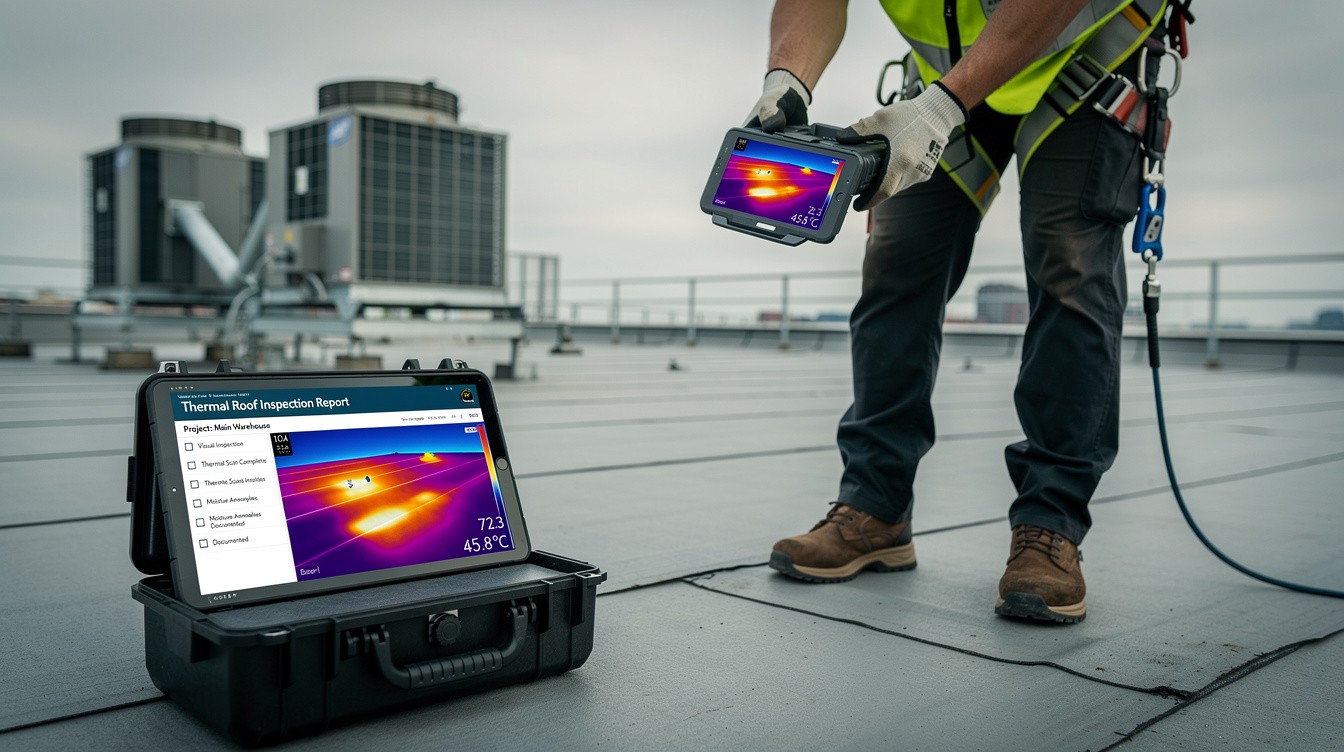
Roof problems hide beneath the surface long before you spot them. Water damage, insulation gaps, and structural weaknesses develop silently, costing you thousands in repairs when they finally become visible.
Thermal imaging reveals what the naked eye cannot. At IE Drone Services, we use infrared scans to catch these issues early, protecting your roof investment and your budget.
What Thermal Imaging Actually Reveals About Your Roof
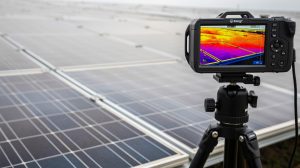
Thermal imaging works because water and damaged insulation behave differently than healthy roof materials. Wet insulation releases heat more slowly than dry areas, creating visible temperature differences that show up on infrared cameras. At night, after solar heating fades, moisture stays warmer longer than surrounding dry materials, making wet spots stand out clearly. This temperature contrast is the key to detecting problems invisible to the naked eye. Commercial roofing systems lose billions annually to premature failure, with moisture intrusion and wet insulation responsible for most of that damage. Thermal scans catch these issues before they become catastrophic, targeting exact problem areas instead of forcing full roof replacement.
Moisture Detection Before Damage Spreads
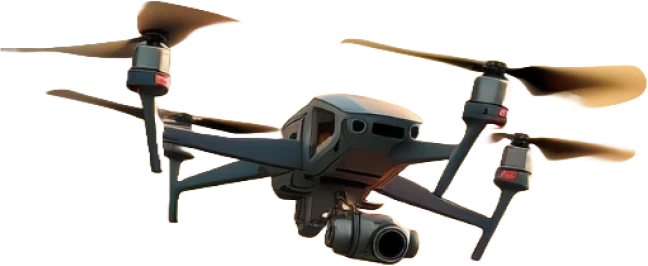
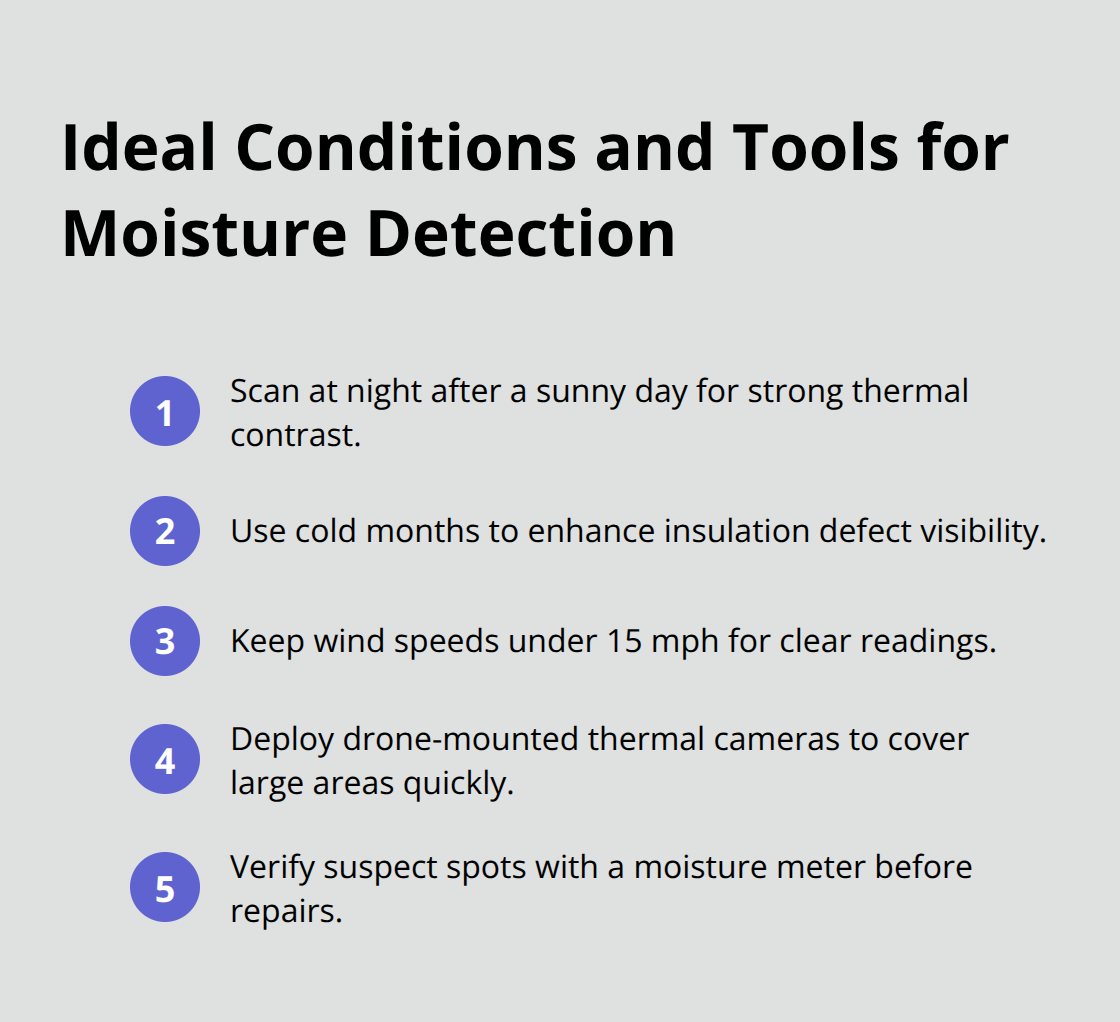
Water trapped in roof cavities causes insulation to lose effectiveness, wasting energy dollars while structural components deteriorate. Thermal imaging reveals moisture pockets on the infrared display, though variations in insulation or ventilation can also create similar temperature patterns. The best conditions for scanning occur at night after a sunny day or during cold months when large inside-to-outside temperature differences enhance moisture visibility. Wind speeds under 15 mph provide the clearest readings. Drone-mounted thermal cameras capture these scans safely and efficiently, covering large roof areas in hours rather than days. A moisture meter confirms suspicious areas detected by thermal imaging, verifying problems before repair decisions are made.
Insulation Gaps and Energy Waste
Insulation defects show as cooler or warmer zones depending on seasonal conditions and indoor climate. Gaps, compression, settling, and missing sections all disrupt the thermal envelope, forcing HVAC systems to work harder and driving up utility costs. Thermal scans quantify energy inefficiency by revealing exactly where heat escapes or infiltrates. This data supports energy-saving decisions and justifies investment in corrective work. Early identification of these problems prevents the slow degradation that compounds over years of operation.
Structural Deterioration Patterns
Deteriorating seams, failed flashing, and penetrations allow water intrusion that weakens roof structure gradually. Thermal patterns often reveal water paths before visible staining appears on ceilings or walls. Early detection of these deterioration patterns guides precise repair strategies and prevents emergency situations that disrupt operations and damage inventory or equipment. Understanding what thermal imaging reveals sets the stage for recognizing why regular inspections protect your bottom line.
How Thermal Inspections Cut Repair Costs Before Problems Escalate
Thermal roof inspections stop expensive problems at their source. The roofing industry loses billions annually to premature failure, with moisture intrusion and wet insulation responsible for most of that waste. A thermal scan costs between $500 and $2,000 depending on roof size, yet catching moisture early prevents replacement costs that run $8 to $10 per square foot. For a 10,000-square-foot commercial roof, that difference means the choice between a $1,500 inspection and an $80,000 to $100,000 replacement. Thermal imaging identifies exactly which areas need repair, eliminating the guesswork that leads contractors to recommend wholesale replacement when targeted fixes would solve the problem.
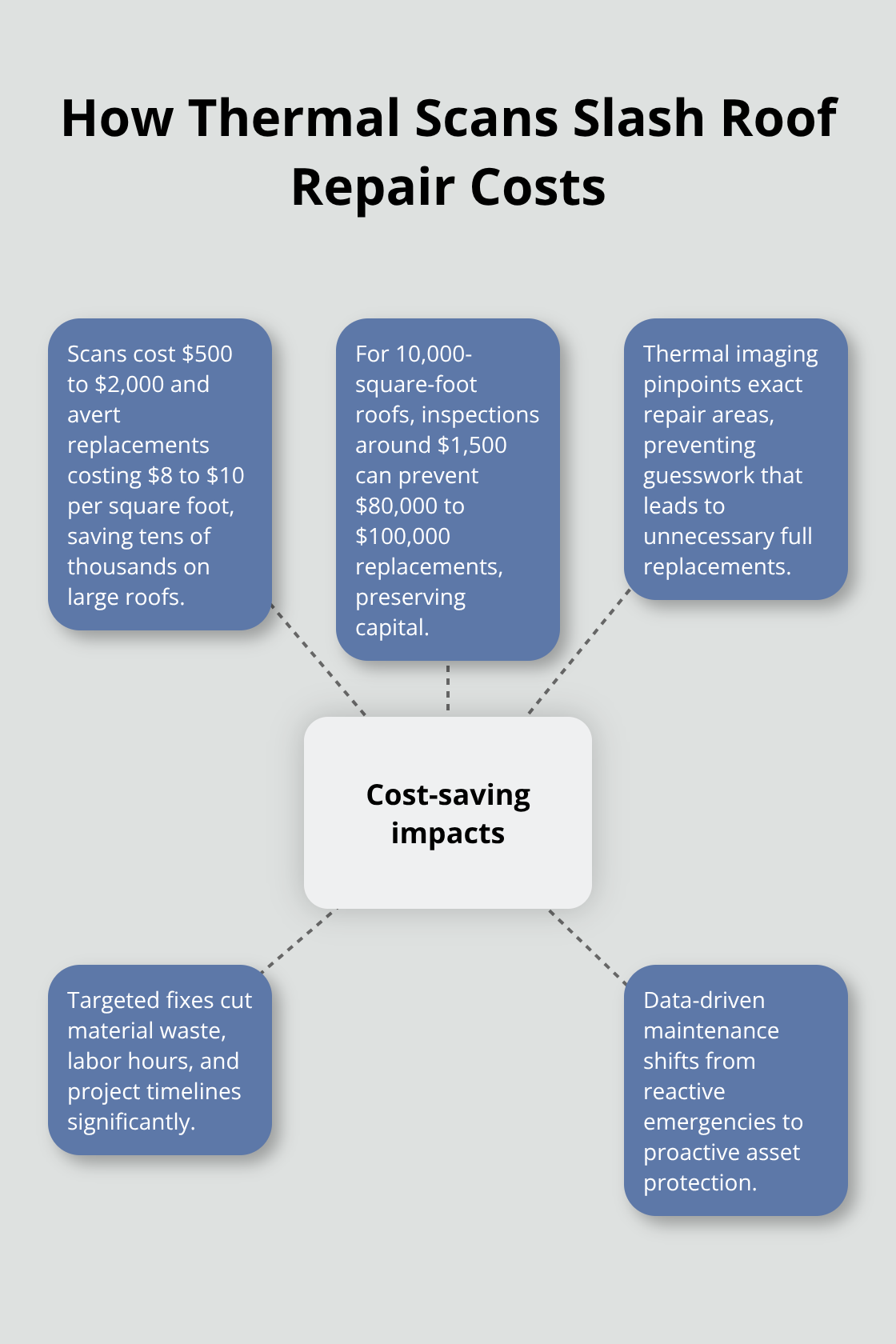
This surgical approach cuts material waste and labor costs dramatically.
Energy Inefficiency Drains Operating Budgets
Insulation gaps and thermal leaks force HVAC systems into constant overdrive, inflating utility bills month after month. A single undetected insulation defect wastes thousands annually in heating and cooling costs, compounding year after year without visible signs. Thermal imaging quantifies energy losses by pinpointing exact locations where heat escapes or infiltrates, giving facility managers concrete data to justify repairs. Property owners who address thermal deficiencies identified through infrared scans typically recover inspection costs within the first heating or cooling season through reduced energy consumption. This makes thermal inspections not an expense but an investment that pays for itself immediately.
Roof Lifespan Extends With Early Intervention
Roofs fail prematurely when moisture and insulation problems remain undetected for years. Early thermal detection catches these issues before they compromise structural integrity, allowing targeted repairs that preserve roof systems for decades longer. A roof that might fail in 10 years with hidden moisture can last 20 or more years when problems are identified and resolved promptly. This extended lifespan protects asset value and eliminates the operational disruption caused by emergency repairs or replacement projects that consume management attention and disrupt tenant operations or business activities.
Precision Repairs Replace Wholesale Replacement
Thermal scans reveal the exact scope of roof problems, transforming how contractors approach repairs. Instead of replacing entire roof systems, teams can focus resources on specific moisture pockets, failed seams, or insulation gaps (the actual problem areas). This targeted strategy reduces material costs, labor hours, and project timelines significantly. Property managers who act on thermal findings avoid the months-long disruption and expense of full roof replacement, keeping operations running smoothly while problems are resolved. The data from thermal imaging transforms roof maintenance from reactive emergency response into proactive asset protection, setting the stage for understanding when and how to schedule inspections for maximum benefit.
Scheduling Your First Thermal Roof Inspection
An infrared scan starts long before the drone launches. Optimal weather windows determine thermal accuracy, so scheduling matters significantly. Wind speeds must stay under 12 mph, and timing affects results dramatically-night scans after a sunny day work best for moisture detection since water retains heat longer than dry materials. Cold months with large temperature differences between indoors and outdoors enhance insulation defect visibility. During the initial consultation, we assess your roof type, insulation materials, and previous problems to tailor the approach. Most common commercial roofing materials including TPO, EPDM, PVC, and Modified Bitumen read clearly through infrared, though heavily ballasted roofs present greater challenges. We examine your attic from below to understand ventilation, structural factors, and conditions affecting thermal signatures. This groundwork ensures the scan captures meaningful data rather than false readings from unrelated temperature variations.
The Inspection Process and What You Receive
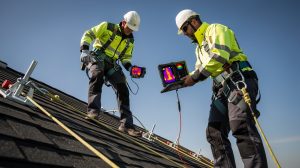
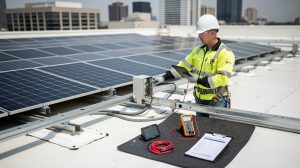
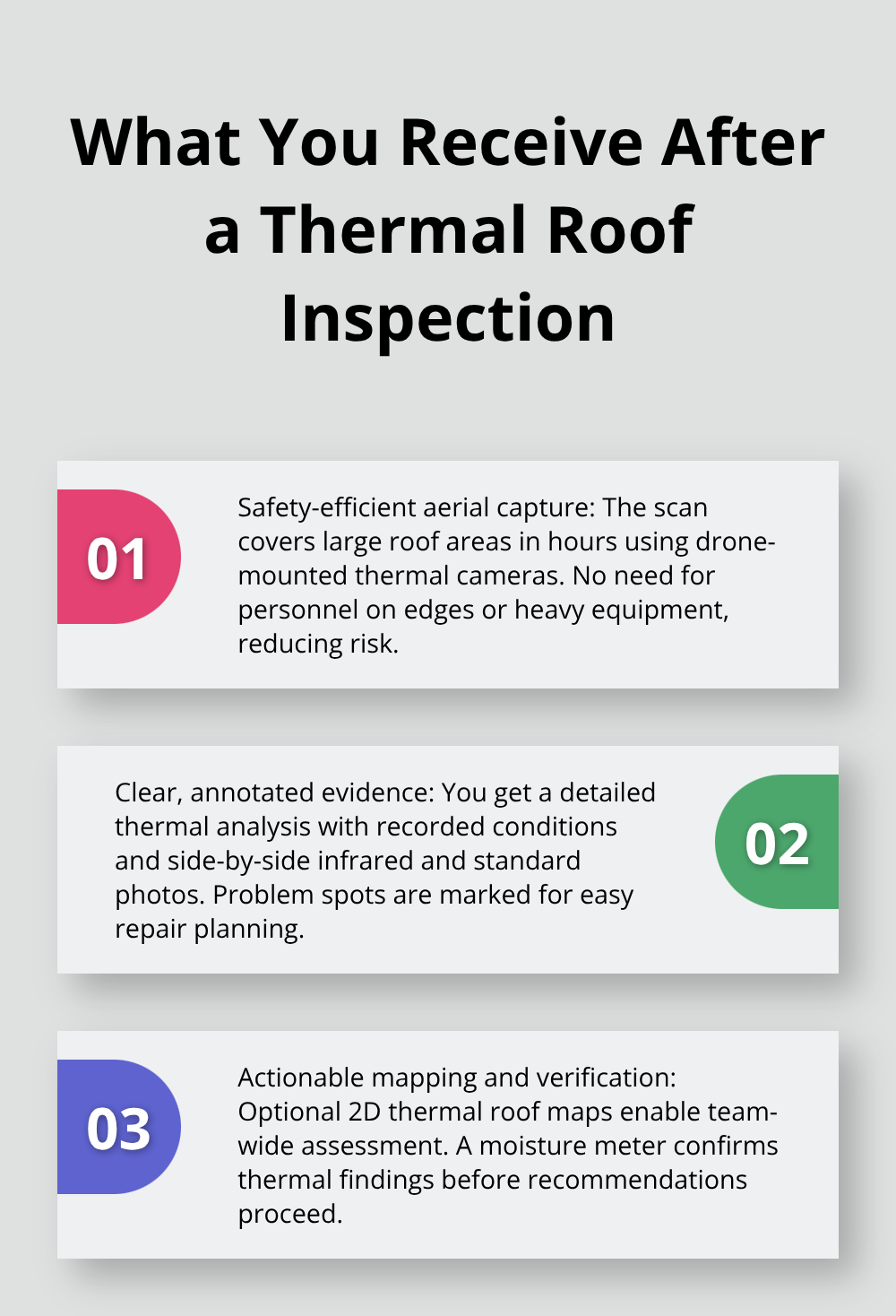
The actual thermal scan takes hours, not days, covering large roof areas efficiently from above. Drone-mounted thermal cameras capture the entire surface without requiring personnel to walk roof edges or carry heavy equipment across complex layouts, eliminating safety risks inherent in traditional inspections. We document findings with both infrared images and standard digital photos, marking problem spots with chalk for easy reference during repair planning. You receive a detailed thermal analysis with environmental conditions recorded during the scan, preliminary findings identifying moisture pockets and insulation gaps, and annotated thermal images showing exactly where problems exist. For larger properties like schools or shopping centers, we generate optional 2D thermal roof maps that stitch infrared photos into a cohesive view, making team-wide assessment straightforward. A moisture meter confirms any suspicious areas detected thermally before repair recommendations proceed, eliminating guesswork from the decision-making process.
Professional Services Outperform DIY Approaches
Attempting thermal inspections without proper training and equipment produces unreliable results that lead to costly mistakes. Thermal cameras require calibration, environmental knowledge, and interpretation skill that casual users simply lack. Certified thermographers understand how roof design, insulation composition, ventilation patterns, and seasonal conditions influence thermal signatures. The Infraspection Institute certifies Level III thermographers with advanced expertise-a credential that separates qualified professionals from equipment owners. Poor interpretation of thermal data can cause you to repair non-existent problems or miss real damage entirely. Professional services also provide liability protection and documented findings that satisfy insurance requirements and support warranty claims. Schedule your thermal inspection today to catch problems at different stages before they compound. Spring inspections reveal winter moisture damage, while fall scans identify insulation failures before heating season begins.
Final Thoughts
Thermal roof inspection services protect your most valuable asset by catching problems before they become emergencies. Moisture intrusion and insulation failures cost the roofing industry billions annually, yet thermal imaging identifies these issues at a fraction of replacement costs. A single scan prevents thousands in unnecessary repairs, extends roof lifespan by years, and reduces energy waste that drains operating budgets month after month.
Spring and fall offer ideal conditions for detecting moisture and insulation problems, though inspections work year-round when environmental factors align properly. Professional thermographers interpret thermal signatures accurately, avoiding the false readings and missed problems that plague DIY approaches. We at IE Drone Services use FAA-certified drone platforms with high-resolution infrared cameras to deliver precise, actionable data without requiring personnel on roof edges or ladders.
Peace of mind comes from knowing exactly what condition your roof is in-no more guessing about hidden moisture or wondering whether energy bills reflect insulation failures. Thermal imaging transforms roof maintenance from reactive crisis management into proactive asset protection, giving you control over repair timing and budgets. Contact us today to schedule your thermal roof inspection and protect your investment before problems escalate into expensive emergencies.