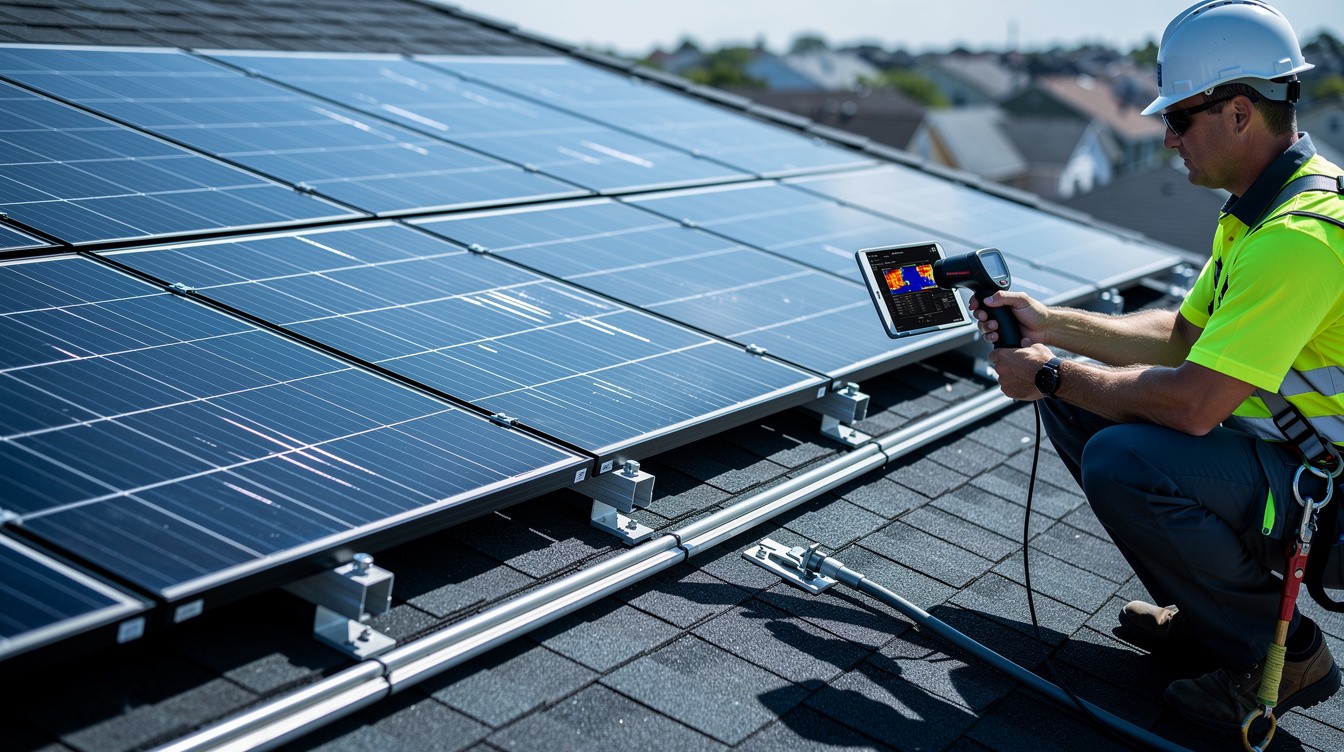
Solar panels are a significant investment, and their performance directly impacts your energy savings and return on investment. At IE Drone Services, we’ve seen firsthand how roof mounted PV inspections reveal hidden problems that cost property owners thousands in lost energy production.
Most solar system owners don’t realize their panels are underperforming until years of degradation have already occurred. The good news is that advanced inspection techniques can catch these issues early, before they become expensive problems.
What Actually Degrades Your Solar Panels
Temperature Effects on Panel Output
Solar panels lose efficiency the moment installers mount them on your roof, and the rate of that loss matters far more than most owners realize. Weather attacks panels relentlessly. High temperatures reduce output by approximately 0.4–0.5% per degree Celsius in hot climates, according to standard solar performance data. In hot climates like the Inland Empire, where summer temperatures routinely exceed 100°F, panels operate 30–40°F hotter than their rated conditions. A panel rated at 400 watts might deliver only 360 watts on a typical summer day. This performance gap compounds year after year, turning a minor efficiency loss into substantial lost revenue.
Environmental Damage and Microcracks
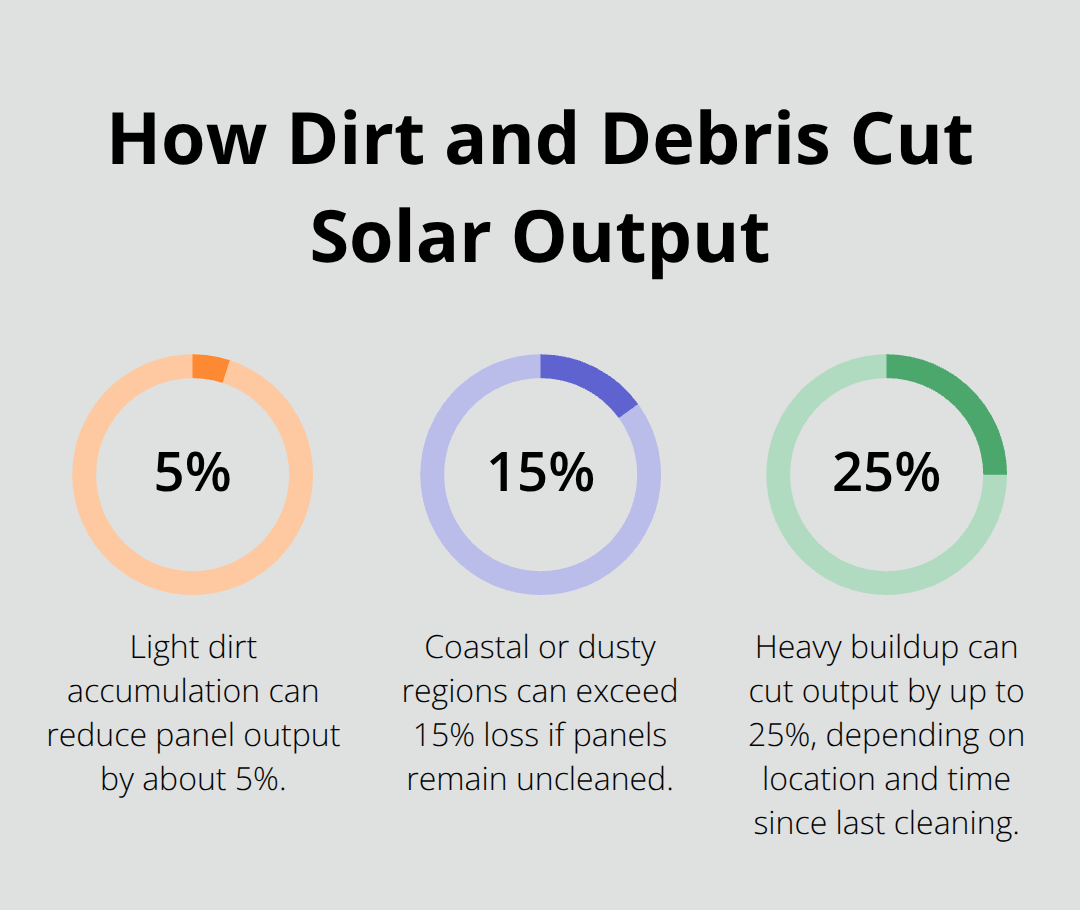
Rain, UV exposure, and thermal cycling create microcracks in silicon cells that compound over years. Dirt accumulation reduces output by 5–25% depending on your location and how long since the last cleaning, with coastal or dusty regions seeing losses exceed 15% if panels remain uncleaned. Debris-leaves, branches, bird droppings-blocks sunlight and creates localized hotspots where current cannot flow freely.
A single shaded cell drags down the entire string’s performance, which is why partial shading causes far more damage than most property owners understand.
Thermal Imaging Reveals Hidden Electrical Problems
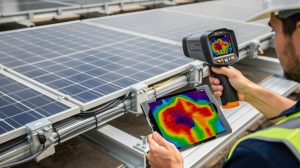
Thermal cameras detect temperature variations across your array that indicate electrical faults, poor connections, and degraded cells. A panel running 15–20°C hotter than its neighbors signals a serious problem (either internal defects, bypass diode failures, or connection issues). These hotspots don’t just reduce output; they accelerate degradation and create fire risk in extreme cases. Standard visual inspections miss these completely because hotspots remain invisible without infrared equipment.
Why Early Detection Matters
Real-world data from solar monitoring systems shows that systems with regular thermal inspections catch faults within weeks of occurrence, while unmonitored systems operate at 15–25% below expected output for months without the owner knowing. The cost of a thermal inspection recovers within days when early detection prevents weeks of underperformance. IE Drone Services uses high-resolution thermal imaging mounted on drone platforms to scan entire roofs in a fraction of the time ground inspections require, capturing temperature data that pinpoints exactly where problems exist.
The next section explores the advanced inspection techniques that transform raw thermal data into actionable insights for your solar system.
How Thermal Drones Detect Solar Faults Before They Cost You Money
How Thermal Imaging Reveals Hidden Electrical Problems
Thermal imaging reveals hidden electrical problems through infrared cameras that capture heat patterns across solar arrays. Drone-mounted infrared cameras now capture temperature data across entire solar arrays in minutes instead of hours. The technology works because electrical faults, internal defects, and poor connections all generate excess heat that standard cameras cannot see. When a bypass diode fails or a cell develops microcracks, current bypasses the damaged section and concentrates in neighboring cells, raising their temperature above normal operating levels.
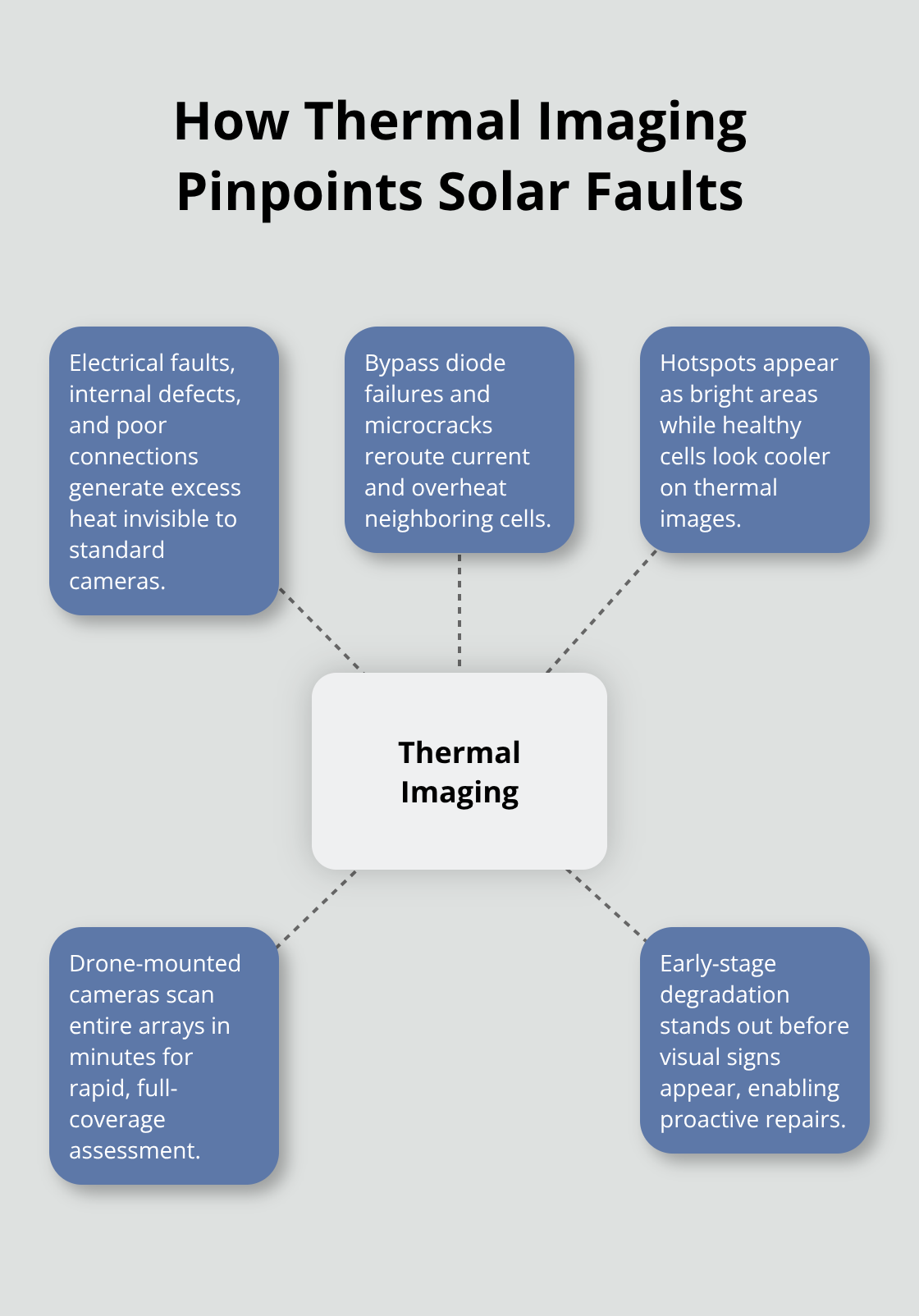
These hotspots appear as bright spots on thermal images while surrounding healthy cells show cooler colors. A thermal camera distinguishes between a panel operating normally and one experiencing early-stage degradation that visual inspection would miss for months.
Speed and Safety Advantages of Aerial Thermal Assessment
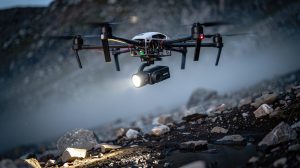
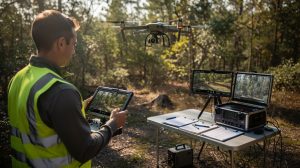
Aerial thermal assessment from a drone platform delivers advantages that ground-based inspections simply cannot match. A technician on the ground inspects panels per hour while working at height and managing equipment cables, whereas a drone scans an entire rooftop in minutes from a safe distance. The elevated vantage point captures temperature variations across the full array without shadows cast by the inspector’s body or equipment, which contaminates thermal data. Professional drones equipped with high-resolution infrared sensors represent an emerging technology that decreases costs and risk compared to traditional methods. This aerial approach eliminates the safety risks and time constraints that slow traditional roof inspections.
Actionable Data Replaces Guesswork
Post-flight analysis software automatically flags anomalies and generates reports identifying which specific panels require attention. Property owners receive actionable data showing exact panel locations, temperature readings, and defect classifications rather than vague recommendations to inspect their roof. This precision transforms thermal data into a maintenance roadmap that technicians can follow with confidence. When you know exactly which panels malfunction and why, repair decisions become straightforward instead of speculative.
The next section examines how this thermal data integrates with other inspection methods to create a complete picture of your solar system’s health.
How Thermal Inspections Protect Your Solar Investment
The Real Cost of Undetected Solar Faults
Undetected solar faults destroy ROI year after year without warning. A panel operating below capacity for years loses thousands in cumulative energy production before anyone notices. Thermal drone inspections stop this silent drain by identifying problems within weeks of occurrence rather than months or years. Early thermal detection catches bypass diode failures that cost property owners a significant portion of annual energy production indefinitely. The inspection cost recovers within days when early intervention prevents weeks of degradation. Property owners who wait for performance to drop visibly before acting essentially accept lower returns as the cost of delayed diagnosis.
Performance Gaps That Thermal Data Reveals
Real solar monitoring systems reveal the financial impact of delayed inspections. Systems checked annually via thermal imaging operate at higher efficiency levels, while unmonitored systems frequently experience 20–30 percent efficiency losses before issues surface. That performance gap translates directly to lost revenue. A 50-kilowatt rooftop system underperforming by 18% loses approximately 9,000 kilowatt-hours annually-worth roughly $1,350 in lost generation at current utility rates. Thermal inspections cost $500–$1,200 per rooftop, meaning the payback occurs within weeks.
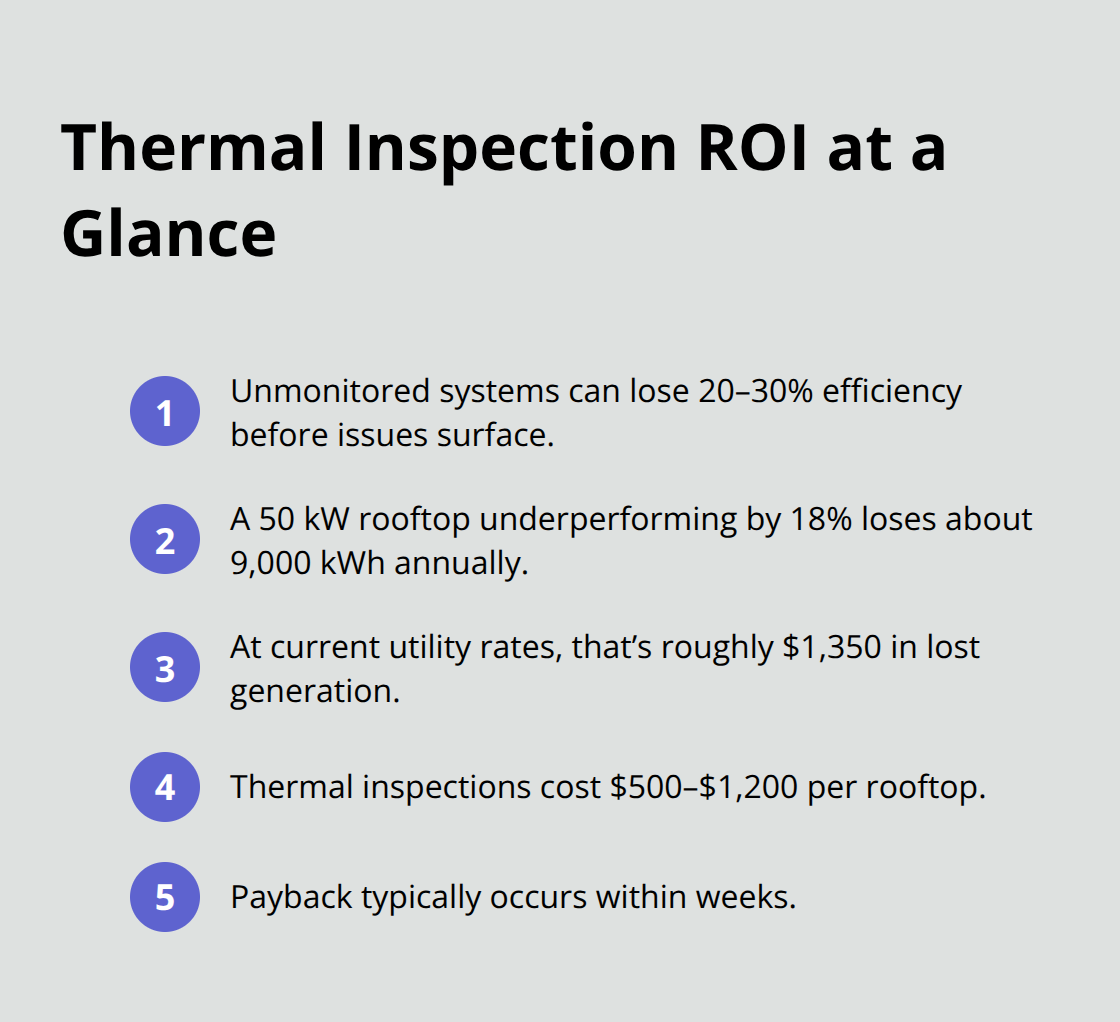
Thermal data transforms reactive maintenance into a proactive strategy where problems get fixed before they compound.
Insurance and Warranty Protection Through Documentation
Documentation from thermal inspections strengthens insurance claims and warranty applications by providing timestamped evidence of system condition. Insurers and manufacturers increasingly require thermal imaging data to validate coverage or warranty work, making inspections essential for protecting your investment on both fronts. Property owners who skip thermal inspections forfeit the financial protections and performance guarantees that inspections provide. This documentation proves system condition at specific points in time, which matters when disputes arise over degradation responsibility or coverage eligibility.
Final Thoughts
Roof mounted PV inspection transforms how property owners protect their solar investments and recover lost revenue. Systems that receive regular thermal drone assessments catch problems within weeks, while unmonitored installations operate at 15–25% below expected output for months without detection. A single thermal inspection costing $500–$1,200 recovers its cost within days when it prevents weeks of reduced output on a 50-kilowatt system.
Thermal imaging reveals electrical faults, bypass diode failures, and internal defects that visual inspection misses entirely. Early detection stops the silent drain of underperformance before degradation compounds into expensive repairs. Insurers and manufacturers increasingly require thermal imaging data to validate coverage, making inspections essential for protecting your financial interests and warranty claims.
We at IE Drone Services use FAA-certified drone platforms with high-resolution infrared cameras to scan entire rooftops in minutes, delivering precise thermal data that pinpoints exactly where problems exist. Contact IE Drone Services to schedule your roof mounted PV inspection and transform your solar system’s performance from guesswork into data-driven certainty.