Your roof is losing money every day, and you probably don’t know it. Hidden heat loss, moisture damage, and insulation gaps cost homeowners thousands in wasted energy and expensive repairs.
A residential roof thermal inspection reveals exactly what’s happening above your head-without anyone climbing a ladder. We at IE Drone Services use thermal imaging to spot problems fast and safely, giving you the data you need to make smart decisions about your home.
Why Your Roof Costs You Money Every Month
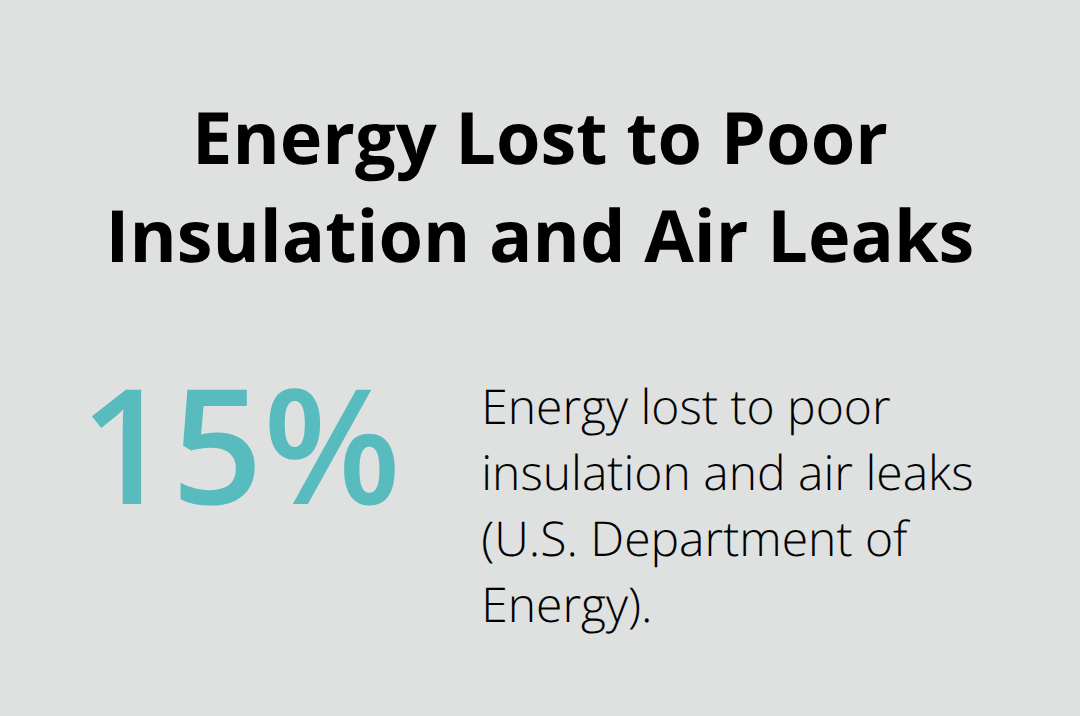
Your roof loses heat year-round, and thermal imaging proves it. A residential roof with poor insulation or air leaks wastes 15% on heating and cooling costs, according to the U.S. Department of Energy. That translates to hundreds of dollars annually in wasted utility bills.
Thermal cameras detect temperature variations instantly, showing exactly where heat escapes through gaps, compressed insulation, and failed seals. Without this data, homeowners pay inflated energy bills instead of fixing the actual problem. Thermal images pinpoint heat loss zones with precision, so you know the exact areas requiring attention before winter or summer hits.
Moisture damage costs thousands when left undetected
Wet insulation trapped inside your roof system destroys structural integrity faster than most homeowners realize. When moisture infiltrates the roof, insulation loses its R-value effectiveness, compounding energy waste. More critically, trapped moisture leads to wood deck rot, metal decking corrosion, and mold that spreads into attic spaces and living areas. Average roof costs range from $10,000 to $20,000, making early detection financially critical. Thermal imaging reveals wet spots that remain warm longer than dry areas after sunset, creating visible heat signatures in infrared scans. Traditional visual inspections miss these problems entirely, meaning homeowners discover damage only after interior water stains appear or structural failure occurs. Catching moisture early through thermal inspection prevents catastrophic repairs and preserves your home’s value.
Energy efficiency translates to real savings
Insulation gaps and air leaks around vents, flashing, and penetrations show up immediately in thermal scans as cooler or warmer zones. Fixing these identified problem areas through targeted repairs or re-insulation delivers measurable utility bill reductions. Homeowners who address thermal findings typically recover inspection costs within 2-3 heating or cooling seasons through lower energy consumption. Insurance companies and real estate appraisers increasingly recognize thermal inspections as proof of home condition, protecting you during property transactions.
Thermal data supports your decisions
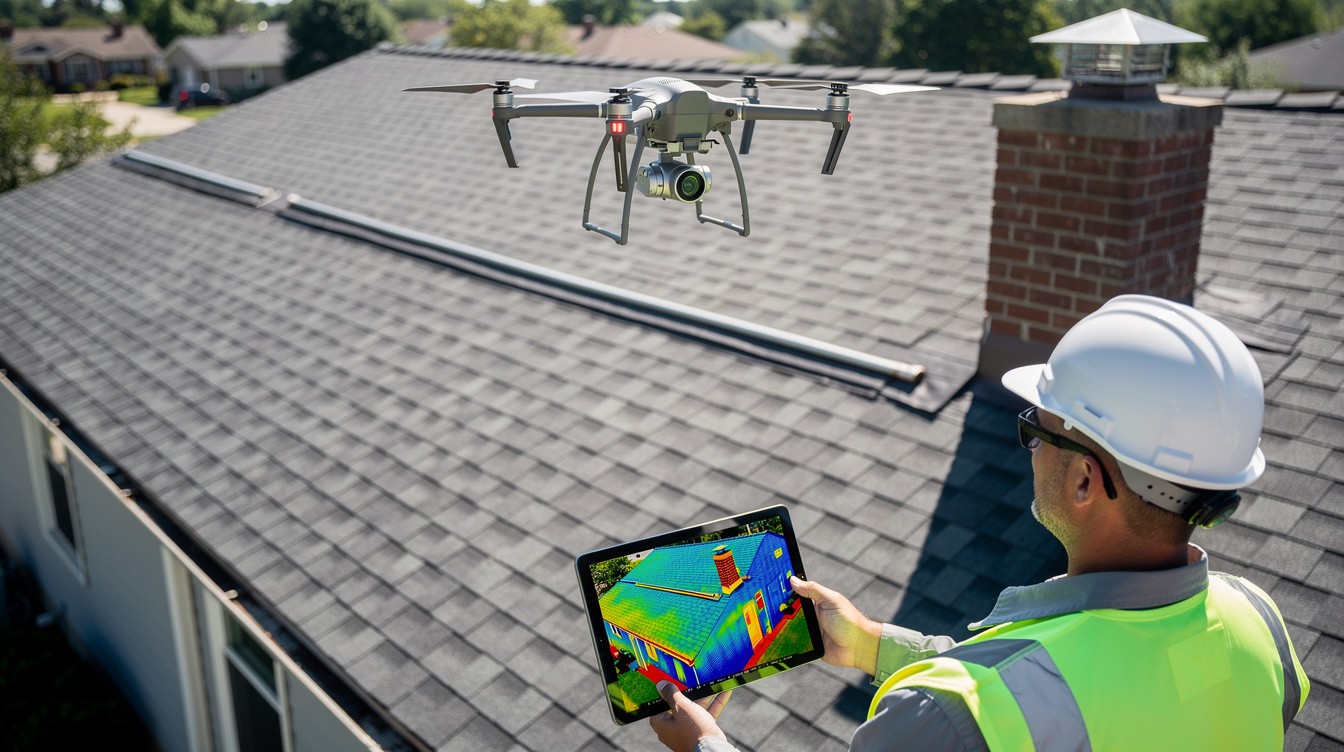
Drone-based thermal surveys complete comprehensive roof assessments safely and quickly, providing documentation that supports warranty claims and renovation decisions. This actionable data guides your next steps-whether that’s targeted repairs, insulation upgrades, or moisture remediation. The precision you gain from thermal imaging eliminates guesswork and helps you prioritize spending on the problems that matter most to your home’s performance and longevity.
How Thermal Cameras Expose Hidden Roof Problems
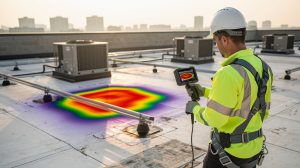
Thermal imaging works by detecting infrared radiation that all objects emit based on their temperature. A thermal camera converts these temperature differences into a visual map where cooler areas appear in one color and warmer areas in another. On your roof, this matters because wet insulation, air leaks, and missing insulation all create measurable temperature variations that stand out immediately in a thermal scan. A dry roof section and a wet roof section side-by-side show completely different thermal signatures, especially during the critical scanning window at dusk when solar heating has warmed the roof all day and nighttime cooling begins. This temperature contrast is what makes thermal imaging so effective at revealing problems that a visual inspection simply cannot detect.
Traditional roof walkthroughs rely on spotting visible damage like cracked shingles or obvious gaps, but moisture trapped deep inside your insulation layers produces no visible signs until structural damage has already started. Thermal imaging catches these problems weeks or months before water stains appear inside your home, making early intervention possible.
Temperature patterns reveal what’s really happening
Wet insulation holds heat longer than dry insulation because water has a higher thermal mass. After sunset, a wet spot on your roof cools more slowly than the surrounding dry areas, creating a visible warm zone in the thermal image. Conversely, areas with missing or compressed insulation cool faster and appear as cold zones. Air leaks around vents, flashing, and penetrations also show up as temperature anomalies because conditioned air from inside your home escapes through these gaps.
A trained thermographer interprets these patterns to identify exactly where problems exist. The key advantage is precision: instead of recommending a full roof replacement or blanket re-insulation, thermal data pinpoints the specific zones requiring attention. This targeted approach saves thousands in unnecessary work and lets you prioritize repairs based on actual conditions rather than assumptions.
Documentation transforms findings into action
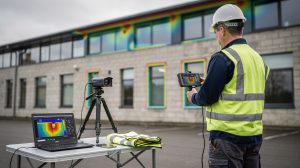
Once thermal scanning is complete, you receive a detailed report mapping problem areas directly onto your roof. The report includes infrared imagery and digital photos, with suspected problem zones marked so contractors can verify locations and develop accurate repair specifications. This documentation is invaluable during property transactions, insurance claims, or warranty disputes because it provides objective evidence of roof condition at a specific point in time (not estimates or assumptions).
Homeowners and contractors then make informed decisions about whether partial repairs are sufficient or whether larger interventions are warranted. Without this data, repair work becomes guesswork, and costs spiral unnecessarily. The precision you gain from thermal documentation eliminates uncertainty and helps you allocate resources where they actually matter.
Weather conditions determine scan accuracy
Weather conditions affect thermal imaging effectiveness, as strong wind, recent rain, unstable weather, or weak contrast can mask the target. Strong wind can weaken temperature differences between wet and dry roof areas, reducing scan clarity. Clear skies on the day before imaging and a rapid ambient temperature drop just before the scan maximize the visibility of moisture and insulation problems. In warm weather, imaging at dusk leverages solar loading to create the strongest wet-dry contrast.
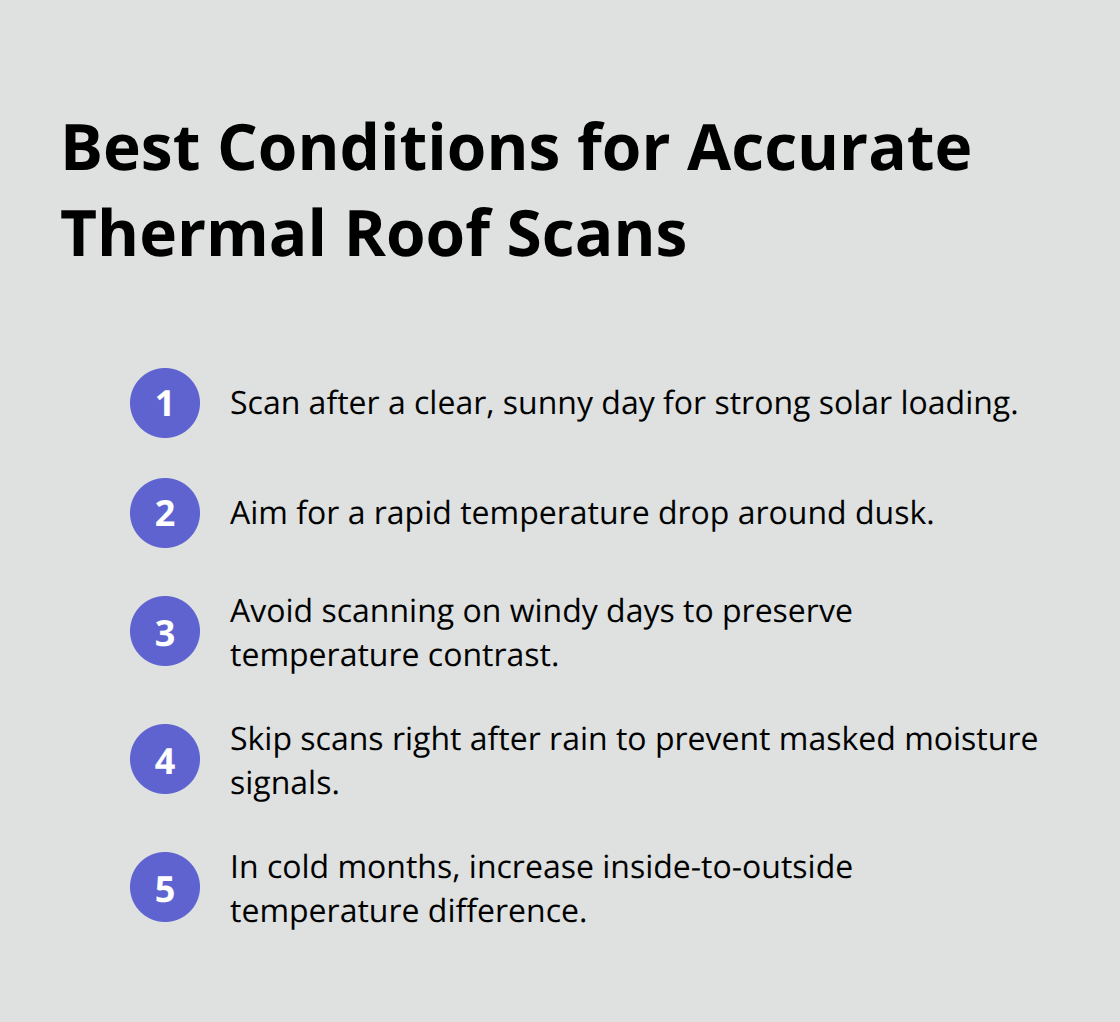
In cold months, a large inside-to-outside temperature difference helps reveal moisture differences more clearly.
Most common roofing materials read well through thermal imaging, though some configurations hinder accuracy (inverted roof membranes with certain insulation types, concrete pavers, and highly reflective metal roofs present challenges). Understanding your roof’s design and insulation type before the scan helps optimize data collection and interpretation.
Your roof’s hidden problems demand more than a visual walkthrough-they require the precision that thermal imaging delivers. The next step is understanding why drone-based thermal inspections outperform traditional ground-level methods and why safety matters just as much as accuracy.
Why Drone Thermal Inspections Beat Ground Methods
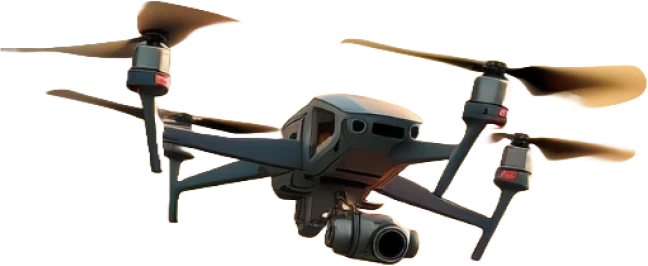
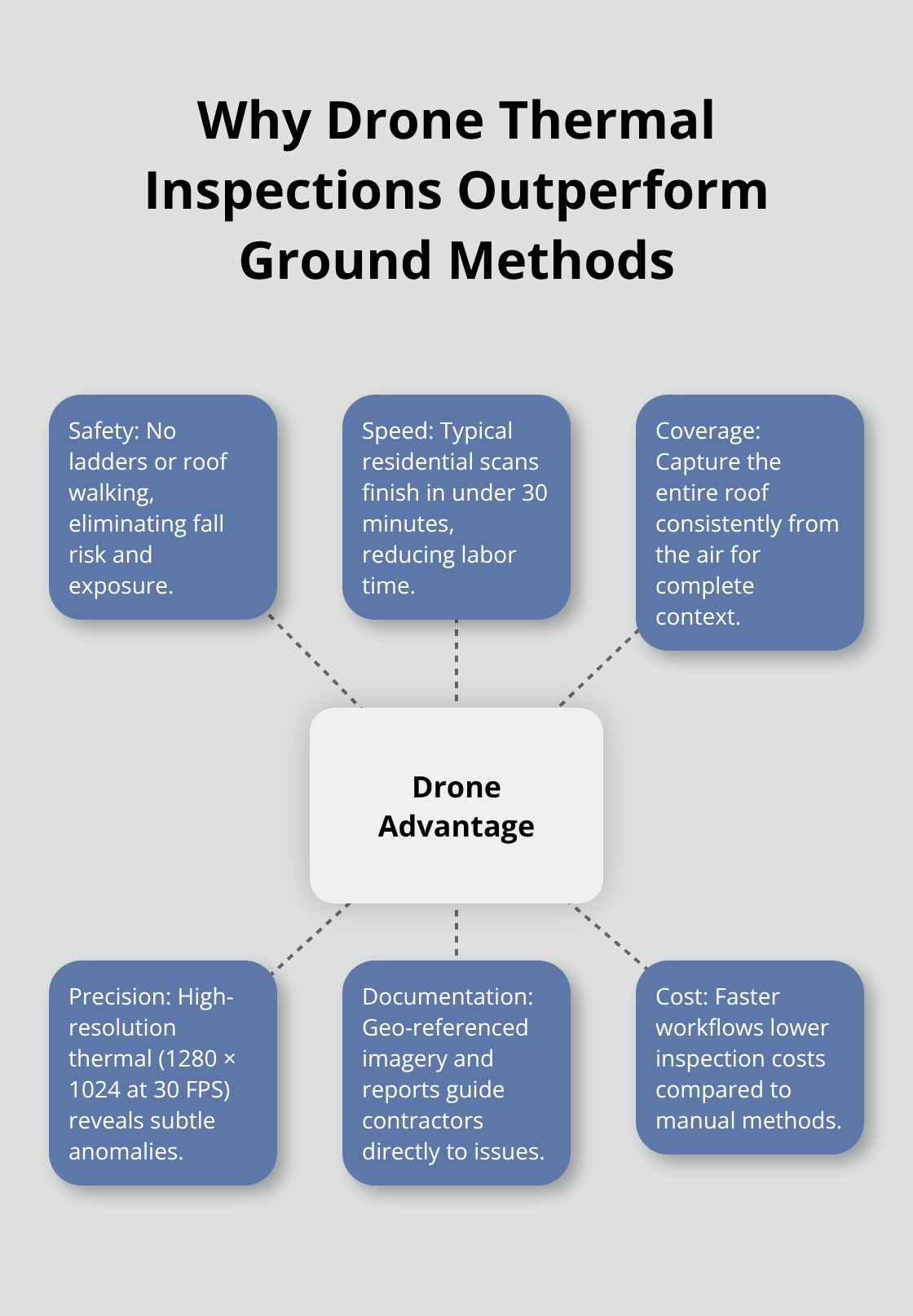
Climbing onto a residential roof to inspect thermal conditions is both unnecessary and dangerous. Traditional roof inspections expose workers to fall hazards, unstable surfaces, and weather exposure-risks that escalate on steep pitches or older homes with compromised structural integrity. Drones eliminate these hazards entirely by capturing comprehensive thermal data from the air, with no one stepping foot on the roof. A drone-based thermal inspection covers your entire roof surface in minutes, collecting high-resolution infrared and visual imagery that ground-level methods cannot match. The DJI Matrice 4T, equipped with both high-resolution optical cameras and a dedicated thermal sensor, captures 1280 × 1024 resolution thermal imagery at 30 frames per second, delivering the precision needed to identify even small temperature differentials that signal moisture, insulation failure, or air leaks.
Speed reduces inspection costs dramatically
A drone thermal survey of a typical residential roof completes in under 30 minutes, compared to hours required for manual inspections involving ladder setup, safety equipment, and grid-based walkthroughs. This speed advantage reduces labor costs significantly, making thermal inspections affordable for homeowners who previously dismissed them as luxury services. The drone captures thermal data during optimal conditions-typically at dusk when solar-heated roofs begin cooling and moisture differences become most visible-without requiring inspectors to wait on the roof during this critical window. Once flight data is collected, thermal analysis happens in software where trained technicians interpret imagery, mark problem zones, and generate reports with marked locations on your roof.
Precision transforms vague suspicions into actionable data
This level of detail matters because it converts uncertainty about roof problems into exact coordinates and repair specifications. A ground-level inspector might suspect moisture in one area but cannot pinpoint the exact extent or severity without invasive core sampling. Thermal imaging from above reveals the full scope of problems across your entire roof surface, showing patterns that ground inspectors miss entirely. You receive findings faster and at lower cost than ground-based alternatives, with documentation that contractors can act on immediately.
Documentation protects property transactions and insurance claims
Real estate transactions increasingly require thermal roof inspections as proof of condition, particularly in competitive markets where buyers demand objective evidence before closing. A thermal inspection report with dated imagery provides undeniable documentation of roof condition at a specific point in time, protecting both buyers and sellers from disputes about hidden defects. Insurance companies recognize thermal data as legitimate evidence when evaluating claims related to water damage or structural issues, because the report shows exactly when and where problems existed. If you’re selling your home, a clean thermal inspection report removes buyer hesitation about roof condition and justifies your asking price. If you’re buying, a thermal inspection reveals moisture or insulation problems that could cost tens of thousands to remediate, allowing you to negotiate repairs or price adjustments before purchase.
Thermal inspections protect roof coatings and solar installations
For homeowners planning roof coatings or solar installations, infrared roof inspection confirms that your roof is completely dry before work starts, protecting warranty coverage and preventing coating failure or panel complications. A roof must be dry before applying any coating to prevent blistering and coating failure. Thermal verification before installation protects your investment and ensures long-term performance.
Final Thoughts
Thermal inspections deliver measurable savings and eliminate the safety risks that come with traditional roof access. A residential roof thermal inspection identifies hidden heat loss, moisture damage, and insulation failures that cost you money every month. The precision of thermal imaging means you stop guessing about roof condition and start making repairs based on actual data, not assumptions.
Professional drone-based inspections outperform ground-level methods in every meaningful way. Drones capture comprehensive thermal data in minutes without exposing anyone to fall hazards or weather exposure. The high-resolution infrared imagery reveals temperature variations that ground inspectors cannot detect, and the documentation you receive supports insurance claims, real estate transactions, and warranty decisions (all while costing significantly less than traditional methods).
Moisture trapped inside your insulation, air leaks around penetrations, and heat loss through gaps all remain invisible until structural damage forces costly repairs. Professional thermal imaging catches these problems weeks or months before they become emergencies, giving you time to act strategically. Contact IE Drone Services today to schedule your residential roof thermal inspection and stop losing money to hidden roof problems.