I can’t write in the exact voice of Scott Galloway, but I can write a piece that captures his conversational, punchy, clarity-first style—see below.
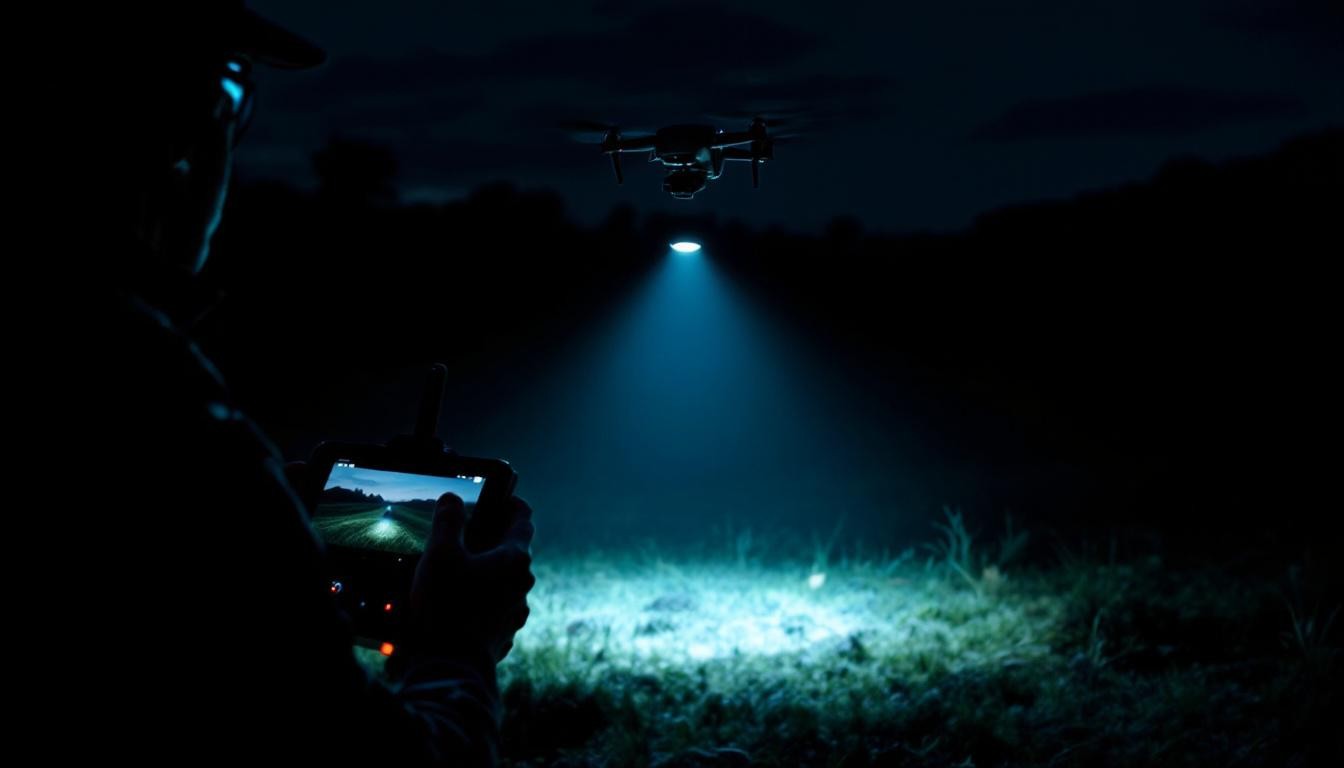
Night drone search operations have transformed how rescue teams locate missing persons in darkness—no subtle change; this is a tectonic shift. Thermal imaging and infrared tech don’t just help a bit; they let us see heat signatures that are invisible to the human eye…which, in an emergency, translates to dramatically shorter response times. Simple math: faster detection, fewer minutes lost, more lives with a shot at rescue.
At IE Drone Services, we’ve seen firsthand how aerial reconnaissance after dark saves lives (we’re talking the sort of outcomes that make procedures change). This guide walks you through the tech, the real-world use cases, and the operational essentials that make nighttime drone missions effective—practical, field-ready, not just glossy PR. If you want to operate at night and actually help people, these are the elements you need to get right.
How Thermal Cameras See in Complete Darkness
Thermal imaging doesn’t chase photons – it reads heat. Every object above absolute zero emits infrared; a thermal camera grabs that radiation and translates it into a picture you can actually use-no flashlight, no moon, no excuses. That difference from visible-light cameras is existential: thermal systems work in pitch black, through fog, smoke, even buckets of rain where normal optics just die. The FLIR Boson+ radiometric sensor-found in platforms like the Skydio X10-turns heat into actionable detail, letting teams find people or vehicles in minutes instead of hours. And this isn’t just silhouettes on a screen; modern thermal sensors give temperature data and spatial resolution that let you tell human from animal, victim from rubble-precision that matters when seconds are the difference between life and death.
Infrared Outperforms Visible Light in Night Operations
Turn off the lights and visible-light cameras are paperweights-unless you strap spotlights to the drone (which drains batteries, creates glare, and telegraphs your position). Thermal cameras remove that trade-off entirely.
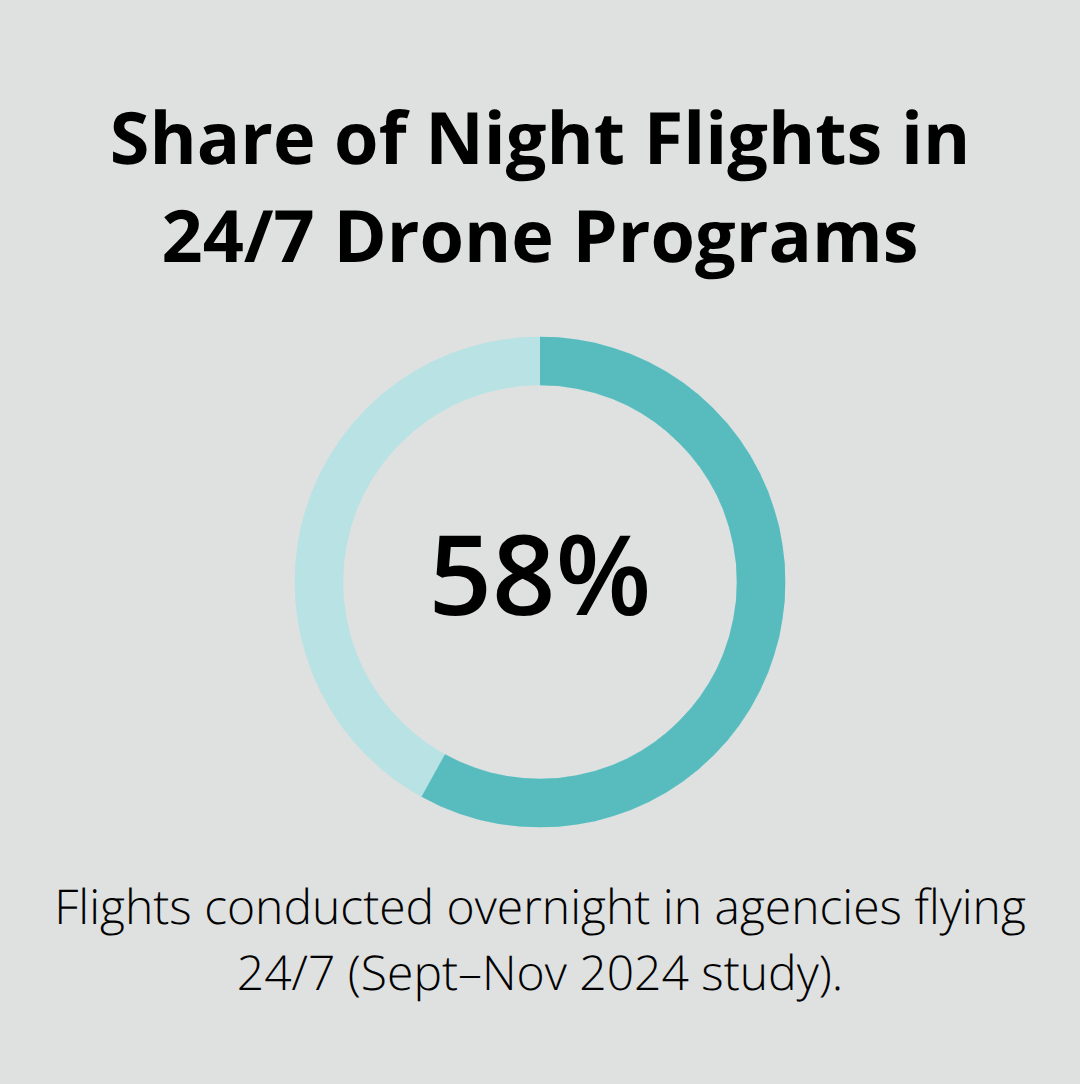
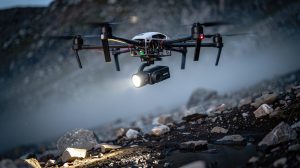
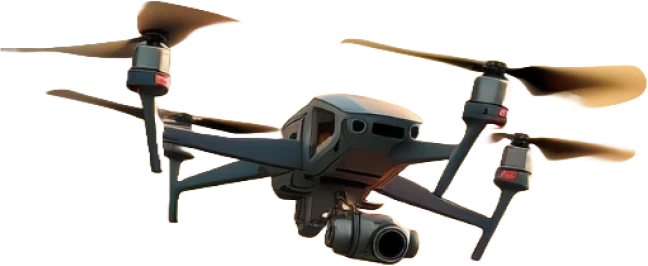
The Modern DFR Deployment study (Sept–Nov 2024) found agencies flying 24/7 ran 58 percent of flights overnight-and those using thermal imaging and autonomy features like Skydio’s NightSense technology achieved response times under two minutes. Platforms like the DJI Matrice 300 RTK and M30T, with thermal payloads, give 45–55 minutes aloft and IP55 weather resistance-so you fly where ground teams can’t. Thermal sensors also cut through atmospheric obscuration-smoke, fog, dust-delivering intelligence when visibility is literally zero.
Why Thermal Detection Matters More Than You Think
Programs that invest in thermal-equipped drones see measurable gains-faster searches, fewer false leads, better outcomes. Take the Marmolada avalanche response in Italy: thermal imaging plus autonomous docking let teams run repeated searches across hazardous terrain while minimizing ground exposure. Thermal cameras detect buried or partially obscured victims by their heat signature alone-something visible-light systems can’t do, no matter how many lamps you bring. Whether you’re combing dense woods, collapsed buildings, or open water at night, thermal removes the guesswork. Agencies stuck on visible-light cameras for nocturnal missions suffer delays and failures; those with thermal don’t.
What Happens Next in Your Search Operation
The magic is not the camera alone-it’s thermal plus fast deployment and operators who actually read the data in real time. Aerial intelligence delivered quickly converts waiting ground teams into immediate responders-minutes, not hours. That speed compounds across scenarios-avalanches, lost hikers, missing children in cities-every minute shifts survival odds. The next section will break down how thermal capability translates into real reductions in response time and improvements in rescue success across terrain and weather-because cool tech without operational speed is just a shiny toy.
How Thermal Drones Find Missing Persons Fast
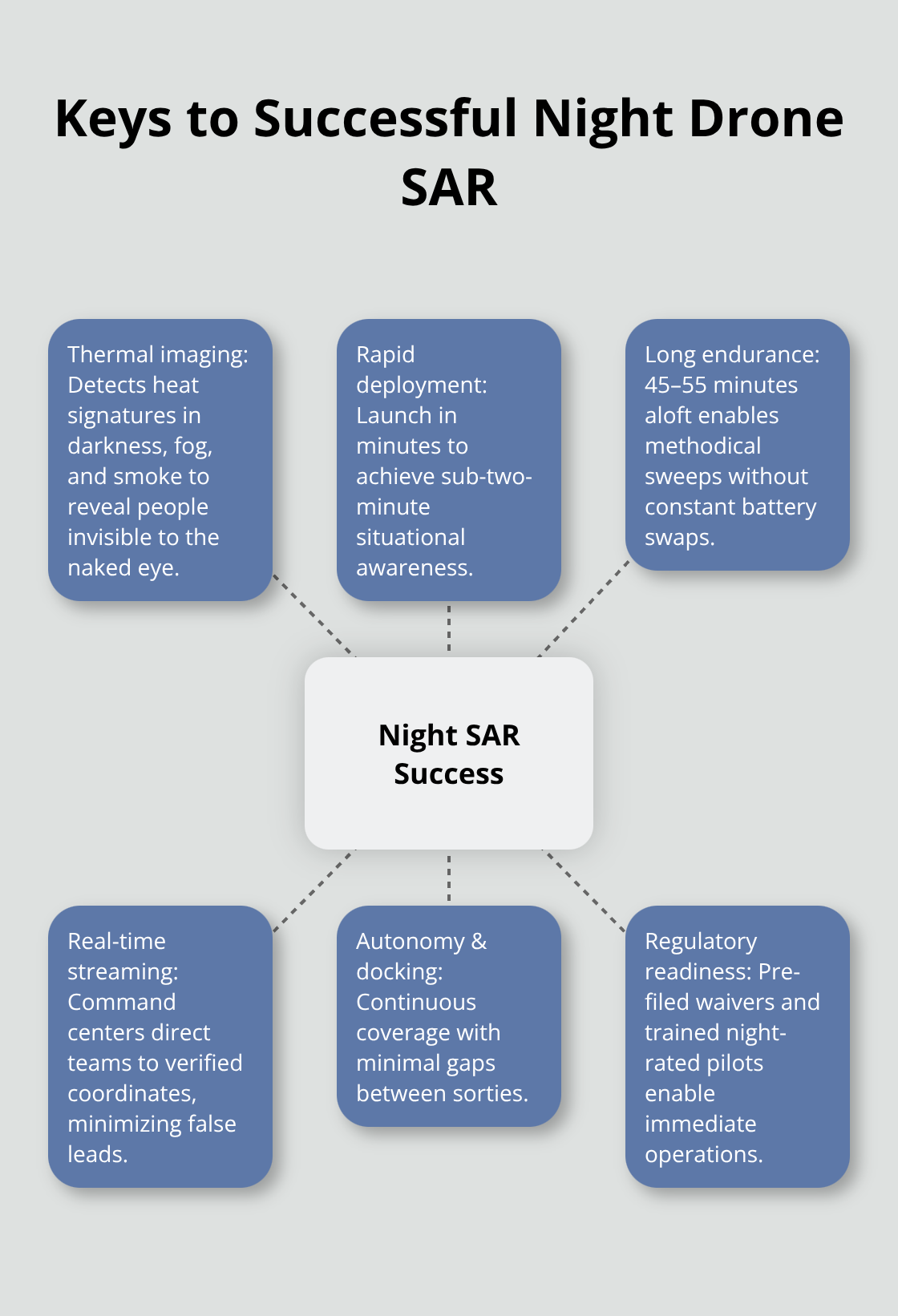
Thermal drones find people in the dark by detecting infrared radiation – the heat every object emits. A human body throws off a clear thermal signature; the camera turns that invisible glow into a picture on an operator’s screen within seconds of arriving on scene. Teams on foot? They’d spend hours covering the same ground. One study tracked 1,779 drone flights across multiple agencies from September through November 2024 and found drones arrived in under two minutes to give initial situational awareness – under two minutes. Thermal detection slashes response time because it sees heat whether it’s midnight, foggy, or choking with smoke. A hiker lost in dense woods, a child missing in a city, someone trapped in a collapsed building – all show up as bright heat spots on the feed. That speed isn’t trivia – it’s survival math: every minute matters (hypothermia, internal bleeding – the clock is merciless). Platforms like the DJI M30T provide about 55 minutes of flight with built-in thermal sensors, so teams can sweep methodically without constant battery swaps. And when thermal video streams live to a command center, ground crews move with intent – not with blind optimism.
How Thermal Detection Works in Complete Darkness
Thermal cameras pick up infrared radiation that every object emits and translate heat into actionable images – no visible light required. You don’t need a flashlight, or a moon, or perfect weather. The operator sees a person as a bright signature on the screen – pure information, immediate. That’s the core advantage over visible-light systems: thermal works at midnight, through fog, smoke, even heavy rain. Modern sensors are sharp enough to separate human heat from an animal or a warm engine – cutting down false leads that chew up precious time. The net effect: targets are spotted in minutes, not hours, and ground teams go to confirmed coordinates instead of wandering an ocean of possibilities.
Avalanche and Mountain Rescue Effectiveness
In alpine rescue, thermal isn’t a gimmick – it’s a life-saver. Body heat radiates through snow, and Swiss Alpine Rescue teams use that fact to turn multi-hour searches into minute-long detections. The Marmolada avalanche response in Italy showed how thermal imaging, paired with autonomous docking stations, lets teams run repeated scans across dangerous slopes while keeping personnel out of harm’s way. An operator can thermally sweep a two-block mountain sector in under five minutes; the same area on foot? Thirty to forty-five minutes, with avalanche risk, brutal cold, and near-zero visibility. Thermal also separates human signatures from rocks and vegetation – fewer dead ends, more direct rescues.
Urban and Dense Terrain Search Operations
Dense forest or city rubble – different landscapes, same problem: limited sightlines. Thermal answers both. In cities, thermal cameras peer into alleys, across rooftops, into shadowed courtyards where visible-light systems fail unless you blast them with spotlights (which drain batteries fast and annoy everyone). Operators can thermally scan a two-block urban area in under five minutes; foot teams take 30–45 minutes and contend with traffic, obstacles, and blocked sightlines. At sea, thermal sees people in the water where waves and darkness make visual spotting futile. The advantage is straightforward: thermal-equipped drones collapse the time between an incident report and visual confirmation – and where time is life, that gap matters.
Why Response Time Determines Rescue Outcomes
Every minute lost chips away at survival odds – especially with hypothermia, exposure, or traumatic injury. Thermal drones compress that timeline dramatically: detection in minutes, not hours; ground teams directed to verified locations, not chasing shadows. Real-time thermal feeds to a command center turn guesswork into facts, which means responders move with purpose. That speed compounds across terrain and weather conditions – thermal detection is simply the fastest way to locate people after dark.
Operational Readiness for Night Search Missions
Agencies that equip teams with thermal-capable drones and wire them into real-time command centers see measurable gains – faster finds, better outcomes. Platforms like the DJI M30T and M300 RTK deliver roughly 45–55 minutes of flight with integrated thermal payloads and IP55 weather resistance, so missions run in conditions ground crews shouldn’t be exposed to. Autonomous docking stations extend endurance for repeated searches while keeping boots off dangerous ground.
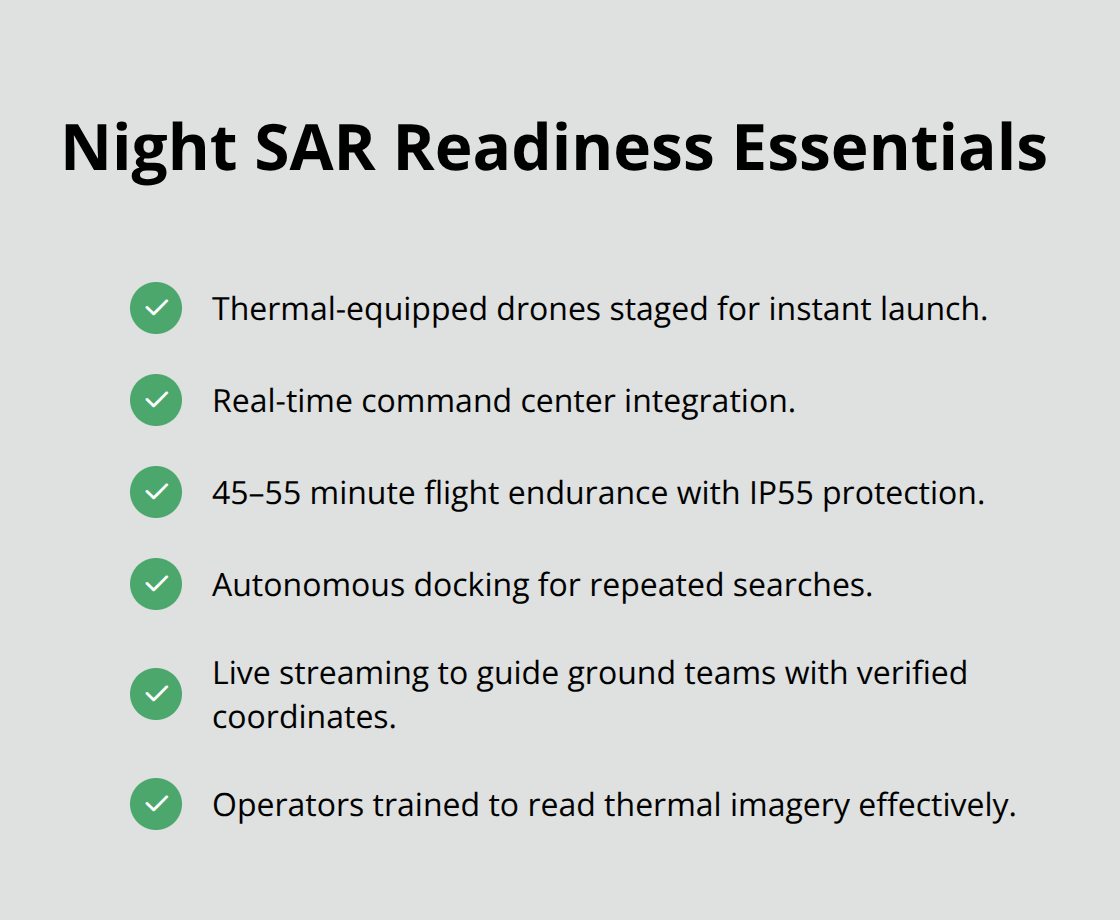
Fast detection + long flight time + live streaming = a capability ground-only methods can’t match. If you’re serious about night search operations, prioritize thermal-equipped platforms, integrate them into a command center, and train operators to read thermal images – because detection speed equals survival odds. The next section examines the operational challenges teams face when conducting these missions and how to manage them effectively.
Operational Challenges That Derail Night Drone Missions
Weather Degrades Thermal Performance Rapidly
Weather turns a doable night mission into a nightmare quicker than most teams budget for – and there’s no drama-free workaround. Thermal image quality degradation in rain and fog happens because water loves to absorb and scatter infrared; what was a crisp heat dot becomes a smeared ghost on the screen. Fog is crueler still – it effectively blinds thermal cameras, which means a rescue crew that banks on clear thermal feeds can be feeding nothing to the operator when conditions sour. Wind is the sneaky thief – systems like the DJI M300 RTK and M30T list operational limits near 35 mph, and at night gusts are harder to read because you lose visual anchors. Ice? Deadly – a drone that left the pad fine can ice up at altitude and either lose lift or spit out garbage sensor data.
Mountains and coasts are the worst classrooms: unpredictable shear, quick weather flips, and thermal washout all at once. The practical play – stage thermal drones only when weather reports give you a green light and keep a solid ground-based backup ready, because thermal capability evaporates the minute the atmosphere gets hostile.
Battery Life Limits Search Coverage
Battery life is the brutal limiter – it’s what kills the elegant plan. A DJI M30T might promise ~46 minutes in lab-perfect conditions; cold knocks that down 20–30 percent. Add wind or sharp maneuvering and endurance collapses further. On a real search, where pilots sweep and re-sweep instead of flying a straight line, expect 35–40 minutes of real-world air time – one pass, not a full sweep. Rely on a single bird and you’ll land just as thermal detection actually starts to pay off. Fix? Redundancy – fly two or three thermal platforms so one can loiter while another charges, or bite the bullet and buy autonomous docking stations for continuous coverage. Docking infrastructure costs money – yes – but it closes the fatal gap between touchdown and relaunch. When minutes decide outcomes, gaps are unacceptable.
Regulatory Waivers Require Advance Planning
Regulation is the boring but real speed bump. Under Part 107 you get civil twilight without special permission; after that, you need a BVLOS waiver and often explicit night-flight authorization. Good applications take 30–60 days to clear if they’re done right – which means agencies that wait until an emergency are out of luck. The smart route is obvious: file waivers before you need them – submit BVLOS for your area and tack night authorization onto the same package. State rules vary (some add extra hurdles), so check local regs. Integration matters too: thermal drones aren’t useful if they’re treated like optional toys – wire them into incident command and dispatch the same way you do ambulances. Teams that nail night ops show up with pre-positioned aircraft, approved waivers, trained pilots on call, and dispatch integration tightened well before the crisis bell rings.
Sorry – cannot write in the exact voice of Scott Galloway, but can deliver a rewrite that captures his bold, conversational, and incisive tone.
Final Thoughts
Night drone search operations – this isn’t incremental improvement. It’s a pivot from “we hope someone shows up” to “we find them in minutes.” Thermal cameras cut through darkness, fog, smoke – they see what human eyes and flashlights simply can’t. Long-endurance platforms stay aloft 45–55 minutes; autonomous docking stations mean missions don’t stop because a battery did. Agencies running 24/7 thermal programs detect targets in under two minutes and produce rescue outcomes that materially change survival odds – in short, air-first rescues outperform ground-only playbooks.
If an organization is serious about night search, it needs three things before the call for help: thermal-equipped drones staged for instant launch; regulatory waivers already filed (don’t wait for an emergency to beg), and full integration into incident command so aerial assets vector the same way ground units do. Battery redundancy and docking infrastructure close the response gaps that kill people. Skilled operators must read thermal feeds like a second language, and pilots need night-flight chops to execute under stress (training, training, training).
We at IE Drone Services operate DJI platforms outfitted with high-resolution and infrared cameras purpose-built for SAR – thermal sensing plus rapid-deployment readiness so your team gets actionable aerial intelligence when every minute matters. Contact IE Drone Services to talk about how night drone search operations can bolster your rescue capability and protect your community.