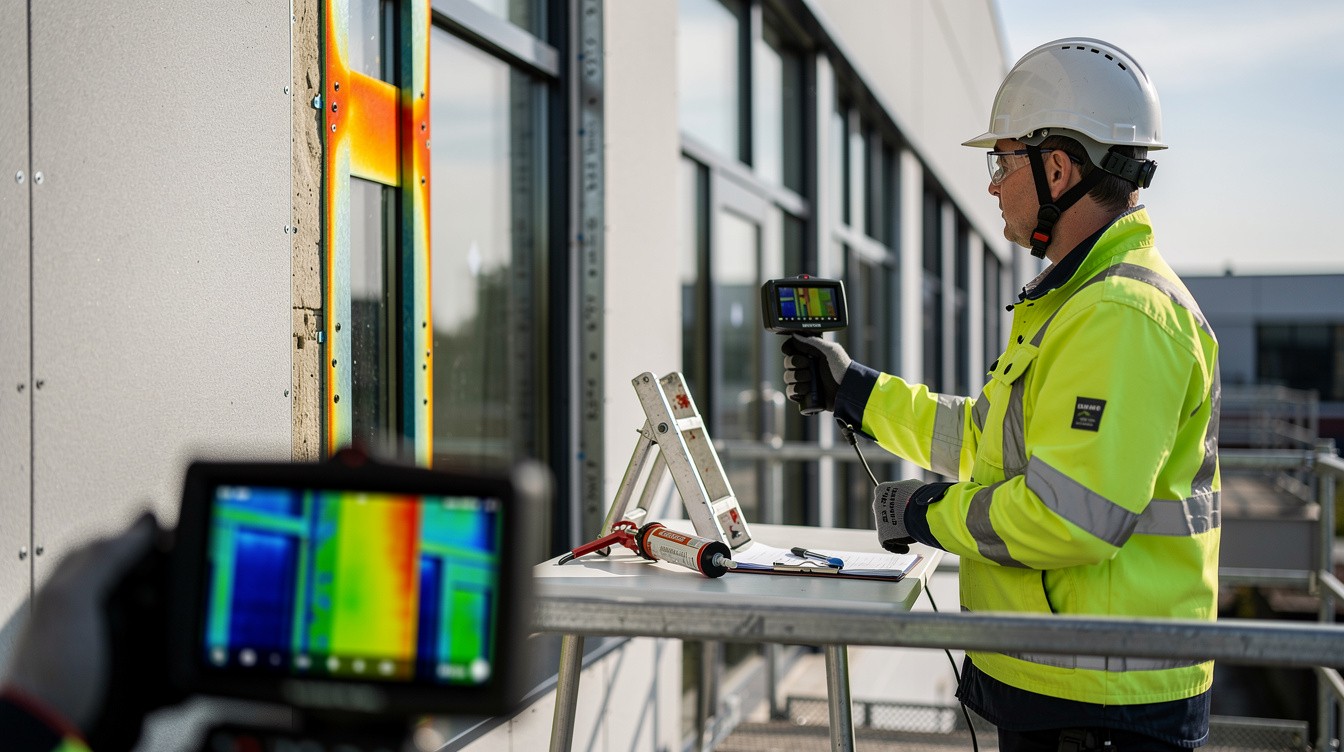
Building envelope leaks cost property owners thousands annually in wasted energy and hidden damage. Most leaks go undetected until they cause structural problems or mold growth that becomes expensive to fix.
Envelope leak detection infrared technology reveals exactly where your building is losing energy and moisture. We at IE Drone Services use thermal imaging to identify these problems before they damage your property, so you can address them strategically and protect your investment.
How Infrared Cameras Find Energy Loss and Moisture
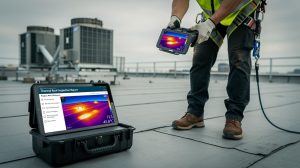
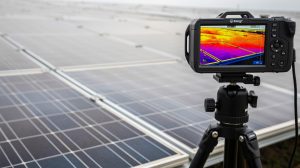
Infrared cameras detect heat by measuring the thermal radiation that every surface emits. When your building envelope fails-through missing insulation, air leaks, or water intrusion-the surface temperatures change in measurable ways. Thermography uses specially designed infrared video or still cameras to make images that show surface heat variations, revealing exactly where problems exist without cutting into walls or disrupting operations. The US Department of Energy endorses infrared thermography as a proven diagnostic technique for identifying heat and cooling losses in commercial buildings, and the data is immediate and actionable.
Temperature Differences Reveal Hidden Problems
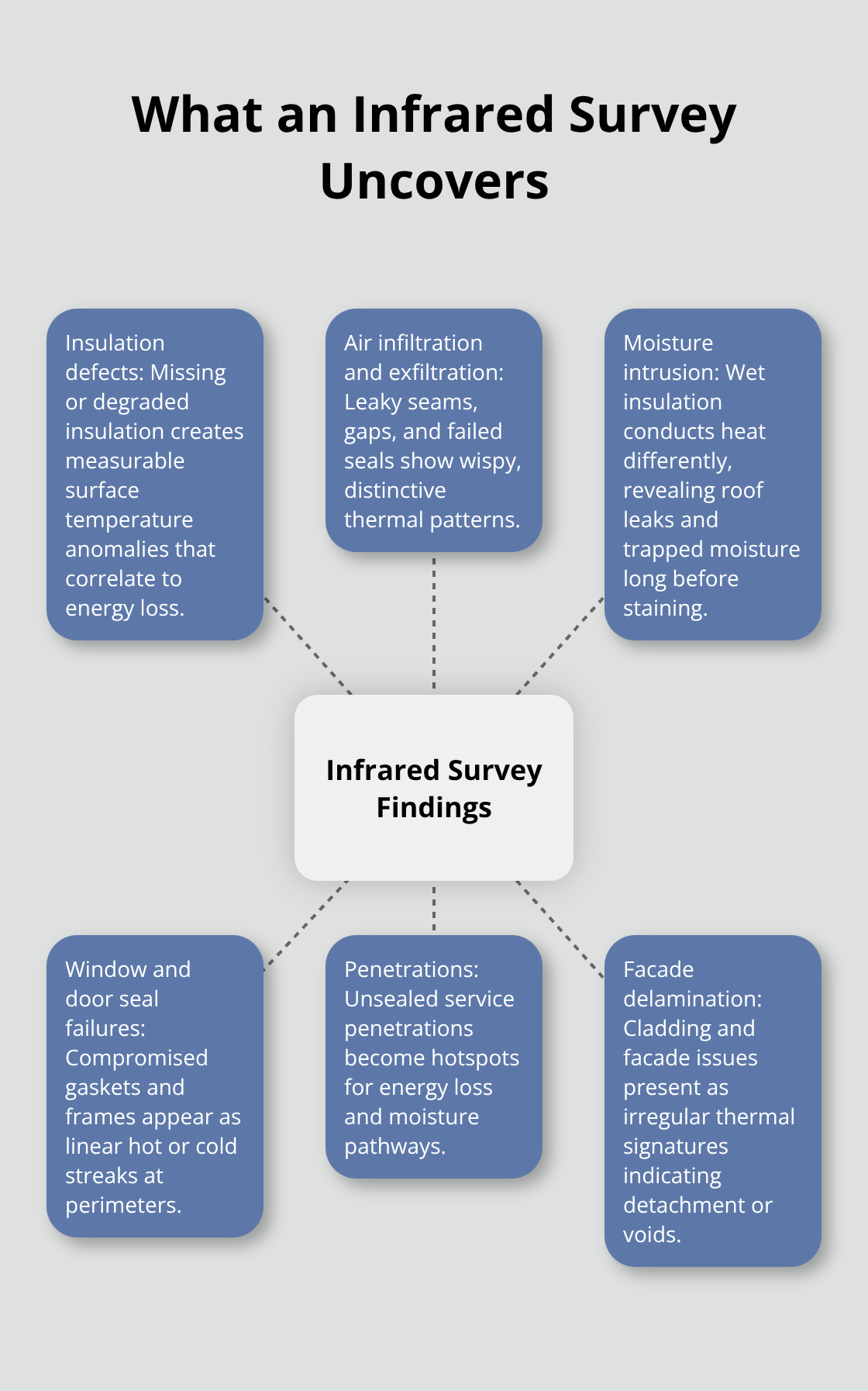
Temperature differences between indoors and outdoors drive the visibility of envelope problems. A meaningful temperature differential of at least 15 to 18 degrees Fahrenheit is required for reliable results, with 25 degrees Fahrenheit or higher preferred. In cold climates during heating season, interior surfaces above failing insulation or air leaks appear noticeably cooler than properly insulated areas. Conversely, in cooling season or hot climates, poorly insulated zones show up warmer. Moisture intrusion creates a different signature: wet insulation conducts heat differently than dry material, so roof thermograms often reveal roof leaks or moisture problems long before visible staining appears. Air infiltration and exfiltration produce distinctive wispy thermal patterns around gaps, penetrations, and failed seals-these patterns become sharper and more obvious as the indoor-outdoor temperature gap widens. Time-lapse thermography enhances defect detection by tracking changes over time, increasing confidence in which problems truly need attention and which are minor.
Timing and Conditions Matter for Accurate Results
Survey timing is critical for obtaining usable data. The building’s HVAC must operate normally for at least four hours before scanning to allow surface temperatures to stabilize. Surfaces must remain dry to avoid false positives from evaporative cooling. Interior scans are typically more effective than exterior scans for detecting leaks because interior measurements are less affected by wind and outside air movement. Exterior scans work better for identifying facade moisture and cladding conditions. Many projects benefit from combining both approaches. In northern climates, scheduling infrared inspections in winter aligns with the larger indoor-outdoor temperature differential and yields the clearest thermal images.
What the Thermal Data Reveals
A single infrared survey surfaces multiple problem areas in one pass: insulation defects, air infiltration and exfiltration, moisture intrusion, window and door seal failures, penetrations, and facade delamination. Missing or degraded insulation produces measurable surface temperature deviations that correlate directly to energy loss.
More than 70 percent of the total energy consumed in healthcare facilities is attributable to lighting and HVAC, and gaps in insulation, failed seals, degraded windows, and air leakage through the building envelope drive that spend upward. Infrared data pinpoints exactly where those losses occur. The investment in proactive envelope infrared inspections yields approximately four to six dollars in return for every dollar spent, according to OSHA estimates. Professional thermal imaging identifies issues before they become expensive structural repairs or mold remediation, and the documented findings support insurance claims, renovation planning, and defensible decision-making for property owners and investors.
Once you understand what thermal imaging reveals about your envelope, the next step is recognizing why these findings matter so directly to your bottom line and long-term property performance.
Why Building Envelope Failures Cost More Than You Think
Envelope failures hit your finances from multiple angles at once, and most property owners don’t realize the full extent of the damage until repairs become unavoidable. When insulation fails, air seals break, or moisture enters wall cavities, your heating and cooling systems work overtime to compensate for the loss. According to the US Department of Energy, heating and cooling account for up to 50 percent of a building’s total energy bill. A single missing insulation section or failed window seal wastes thousands of dollars annually in wasted conditioning. In commercial properties, that translates directly to reduced profitability and higher operating costs that eat into margins year after year.
Water Intrusion Triggers Hidden Structural Damage
Water intrusion through envelope failures creates a separate financial catastrophe that often remains undetected until structural members deteriorate. Moisture-laden insulation loses its thermal resistance and becomes a conductor for heat transfer rather than a barrier against it, compounding energy waste. Persistent moisture creates conditions for mold growth and wood rot that compromise the structural integrity of walls, framing, and roof assemblies. These hidden failures take years to manifest visibly, meaning your building degrades silently while you continue operations normally.
Insurance Claims and Liability Exposure
Insurance claims for water damage and mold remediation are expensive and often contentious, especially if inspectors determine that the property owner failed to identify and address early warning signs. Documented evidence of neglected envelope problems can complicate claims and expose you to liability disputes that extend far beyond repair costs. Professional thermal imaging creates defensible records that protect you in these situations.
Property Value and Tenant Satisfaction Decline
Poor envelope performance directly impacts property value and tenant satisfaction in ways that affect your bottom line immediately and long-term. Properties with visible moisture stains, musty odors, or thermal discomfort command lower rents and attract fewer quality tenants. Investors and lenders conduct envelope assessments before committing capital, and documented thermal defects reduce appraised values and borrowing capacity. Tenants experiencing drafts, humidity imbalances, or temperature inconsistencies report lower satisfaction and higher turnover, driving up vacancy rates and replacement costs.
Early Detection Prevents Escalation
A comprehensive infrared envelope inspection identifies all these issues before they escalate into costly repairs, structural concerns, or insurance disputes that damage your reputation and financial performance. The next step is understanding exactly how to conduct these inspections and what practical approach works best for your property type and climate.
Practical Steps to Conduct Infrared Envelope Inspections
Timing your infrared envelope inspection makes the difference between clear, actionable thermal data and ambiguous results that waste your money. The temperature differential between your building’s interior and the outside environment must reach at least 18 F degrees to produce reliable images, with 25 degrees Fahrenheit or higher delivering the sharpest thermal signatures.
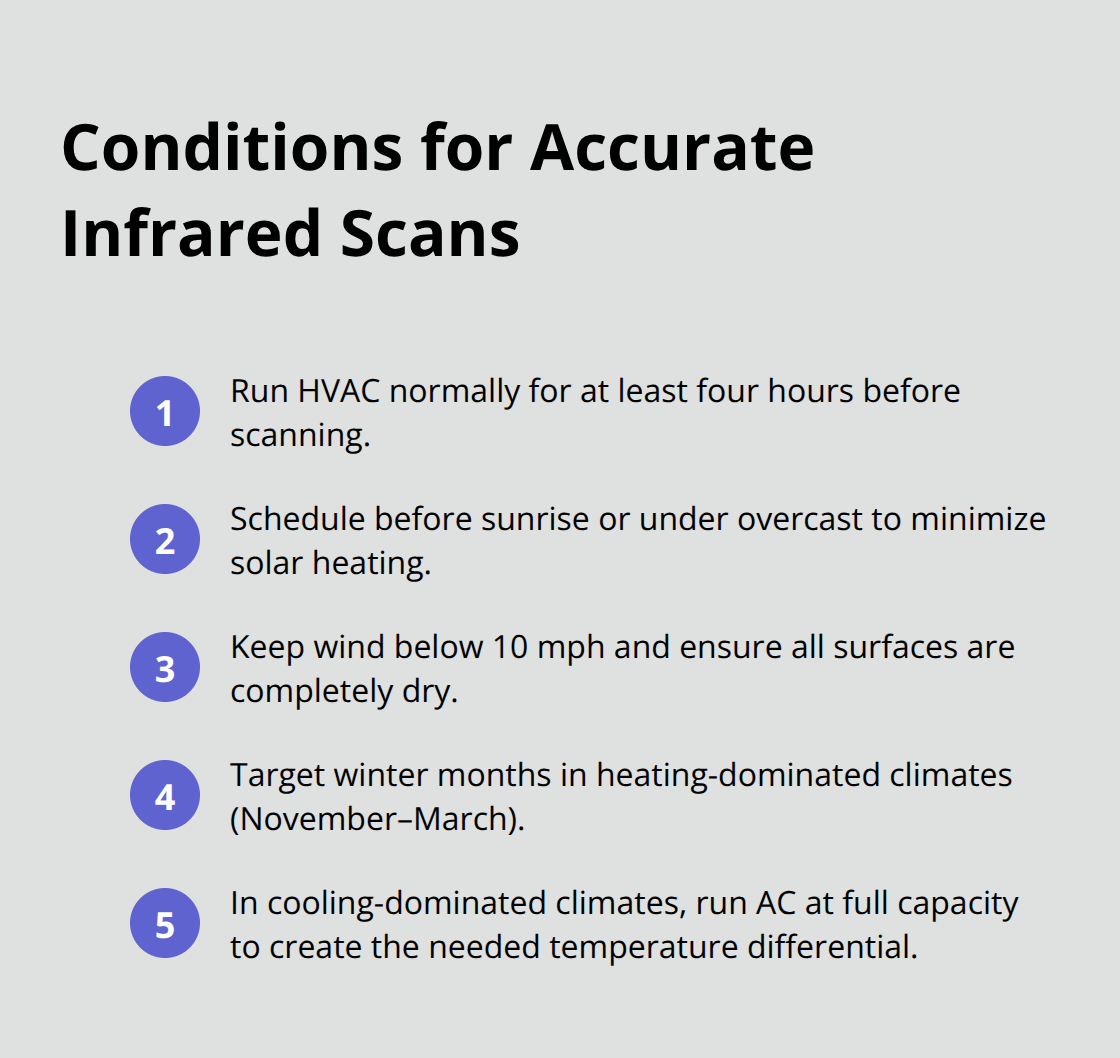
In heating-dominated climates, winter months provide this naturally, so schedule your inspection between November and March to capture the largest temperature swings when envelope failures show up most clearly on thermal cameras. If you operate in a cooling-dominated climate, run your air conditioning system at full capacity in the weeks before your inspection to create the necessary interior-exterior temperature difference.
Your HVAC system must operate normally for at least four hours immediately before the scan begins, allowing interior surface temperatures to stabilize and preventing false positives from thermal lag. Schedule the inspection before sunrise or during overcast conditions to minimize solar radiation heating the building exterior, which can mask interior envelope problems and create misleading thermal patterns. Wind speeds should remain below 10 miles per hour, and surfaces must stay completely dry-rain or recent precipitation introduces evaporative cooling that produces false thermal signatures throughout the building envelope.
Hire a Certified Thermographer for Reliable Results
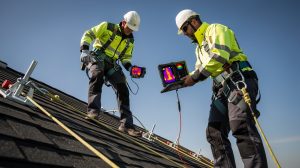
A certified thermographer who follows NFPA 70E safety standards and understands building science protects your data quality in ways that untrained operators cannot match. Certification ensures the professional interprets thermal data correctly, distinguishing between genuine envelope defects and environmental artifacts that confuse inexperienced technicians. The thermographer should deliver paired thermal and visible images showing exact anomaly locations, defect classification with temperature differential measurements, root-cause assessment, corrective action recommendations, severity ratings, and site condition documentation that holds up in insurance disputes or litigation. These documented findings become your defense against liability claims and provide the evidence your contractors need to bid repairs accurately.
Combine Thermal Imaging with Blower-Door Testing
Pair your infrared results with blower-door testing to quantify exactly how much air leaks through your envelope and where. The US Department of Energy recommends pairing energy scan infrared with blower-door testing because heating and cooling account for up to 50 percent of a building’s energy bill, and these two tests target the two biggest sources of heat loss. A blower-door test measures air changes per hour and shows that reducing unconditioned air infiltration through sealing can cut energy use by up to 30 percent.
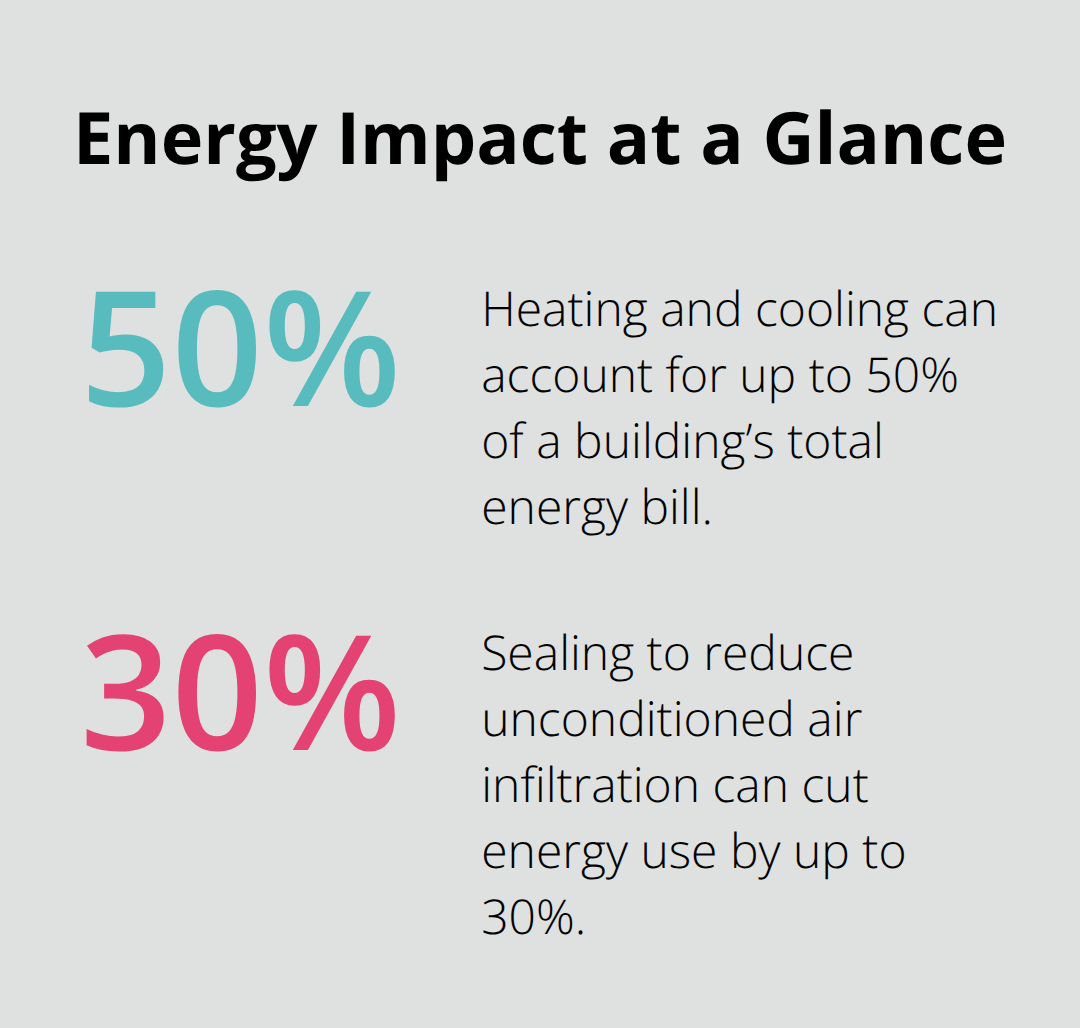
This combined approach reveals both where energy escapes and how much energy you actually lose, giving you precise data for repair decisions.
Prioritize Repairs Based on Thermal Severity
Focus first on the largest temperature differentials and the areas that affect the most conditioned space rather than addressing problems in random order. Document all findings with photographs, thermal images, and written recommendations before work starts, then schedule a follow-up thermal scan after repairs are complete to verify that insulation installation quality meets specifications and that air sealing actually stopped the leakage patterns you originally detected. This verification step confirms that your repair investment produced the expected results and protects you against contractor disputes over work quality.
Conclusion
Envelope leak detection infrared technology stops costly damage before it starts. The thermal data you collect today prevents thousands in energy waste, structural repairs, and mold remediation tomorrow. Early identification of leaks protects your investment by giving you time to address problems strategically rather than reacting to emergencies that disrupt operations and drain budgets.
Your building envelope is your first line of defense against weather, energy loss, and moisture intrusion. When that envelope fails, every system inside works harder to compensate, driving up operating costs and reducing property value. Infrared thermal imaging reveals exactly where those failures exist without disrupting your tenants or operations, and the documented findings support insurance claims, renovation planning, and defensible decisions that protect your bottom line.
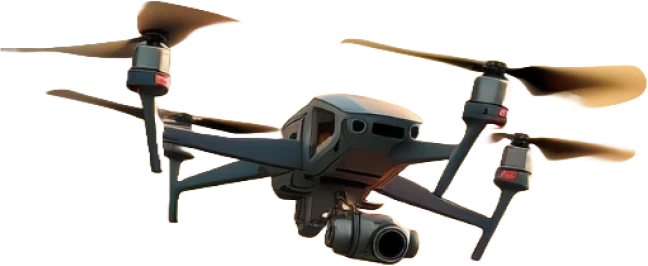
We at IE Drone Services deliver envelope leak detection infrared inspections using high-resolution thermal cameras mounted on FAA-certified drone platforms to surface envelope defects, energy leaks, and moisture intrusion across your entire property. Our heat-sensing technology provides faster, safer data collection and the actionable findings you need to make confident repair decisions. Contact us today for a comprehensive thermal building inspection and protect your investment from hidden envelope failures.