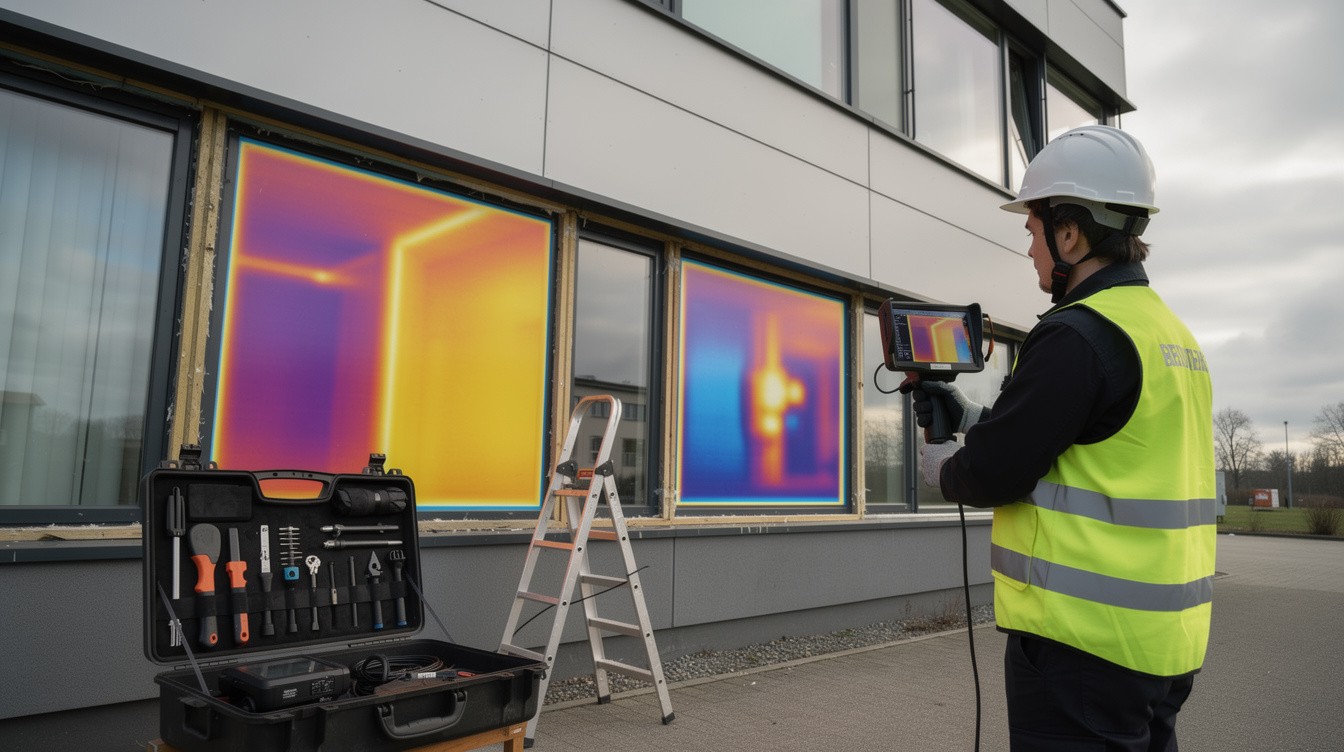
Building problems hide in plain sight. Most property owners don’t realize that insulation gaps, moisture damage, and electrical hazards are already costing them thousands in wasted energy and future repairs.
Thermal building inspection services reveal what the naked eye cannot. At IE Drone Services, we use thermal imaging technology to identify these issues before they become expensive emergencies, giving you the data you need to protect your investment.
What Thermal Imaging Reveals Inside Your Building
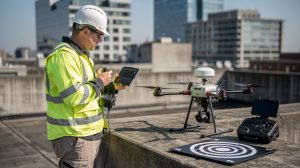
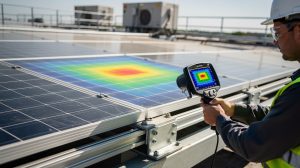
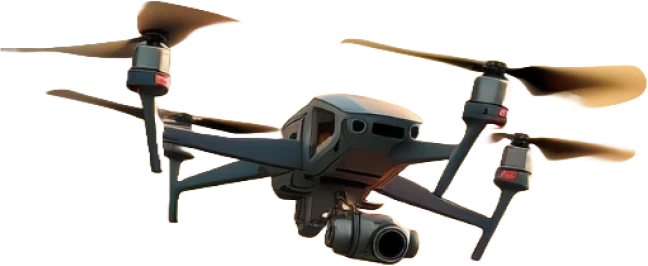
Thermal imaging cameras detect infrared radiation, which means they show temperature differences across surfaces in real time. This technology exposes problems that standard visual inspections miss entirely. We at IE Drone Services use DJI platforms equipped with high-resolution infrared cameras to capture precise temperature data across your entire property, translating heat patterns into actionable intelligence for property owners and managers.
Insulation Failures Cost You Money Every Single Day
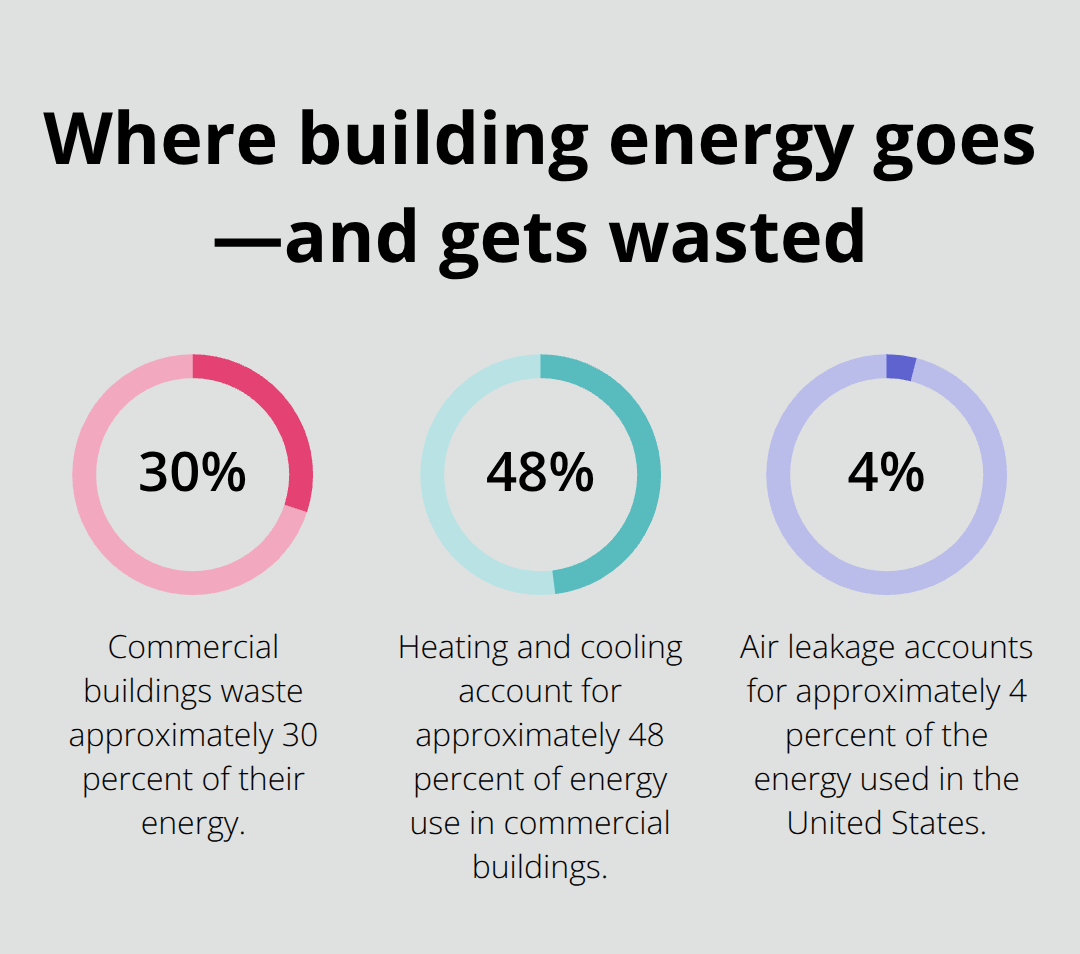
Air leakage accounts for approximately 4% of the energy used in the United States. Thermal imaging pinpoints these exact locations by showing cold spots in winter and hot spots in summer where conditioned air escapes. A manufacturing facility in California discovered through thermal inspection that poorly sealed loading dock doors were responsible for 18 percent of their annual HVAC costs-once identified with thermal data, facility managers prioritized those repairs and recovered the inspection cost within four months. The practical advantage here is specificity: thermal imaging eliminates guesswork and tells you exactly where to spend your maintenance budget.
Water Damage Spreads Silently Until Thermal Imaging Exposes It
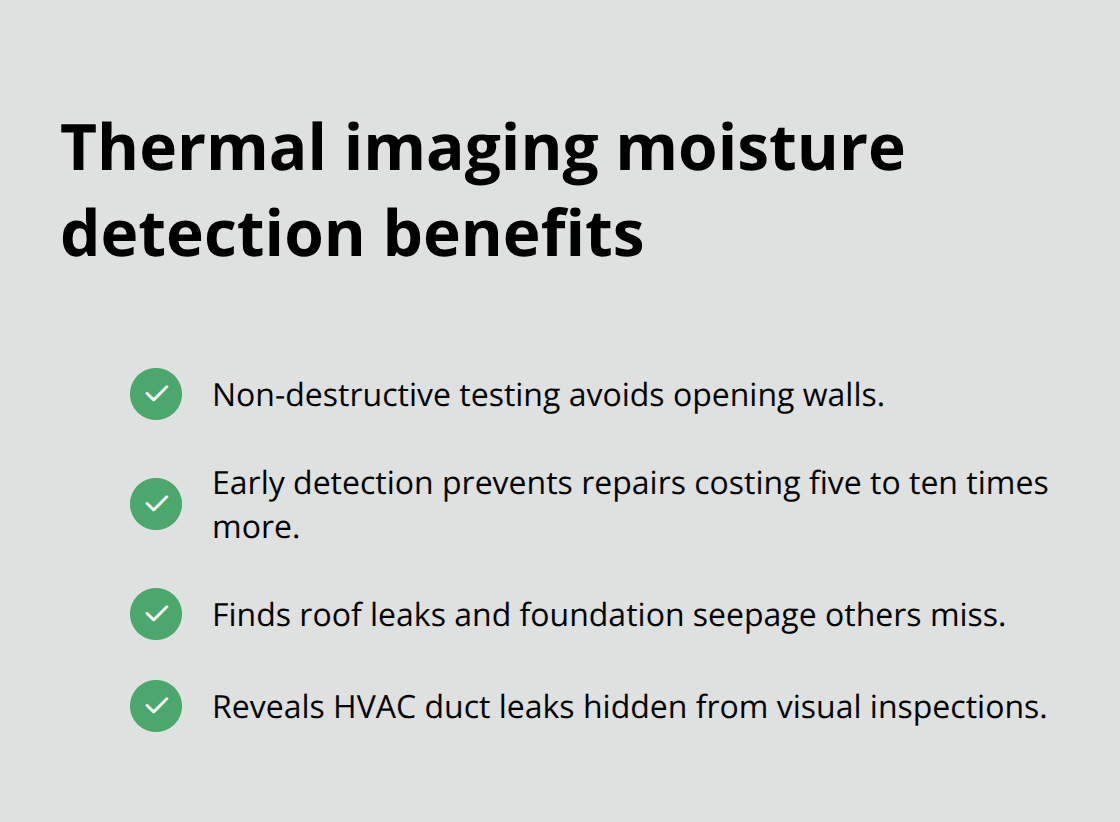
Moisture accumulates inside walls and structural cavities long before you see stains or discoloration. Infrared thermal imaging allows for non-destructive testing, meaning there’s no need to physically probe or disrupt building materials to assess water damage. Property managers who schedule annual thermal inspections catch moisture problems at the early stage, preventing structural rot that costs five to ten times more to repair. Residential home buyers increasingly request thermal inspections as part of their due diligence (a practice that continues to grow) because this method reveals roof leaks, foundation seepage, and HVAC duct leaks that standard home inspections overlook.
Electrical Systems Show Their Stress Patterns Clearly
Overheating electrical components signal equipment failure weeks or months before they actually fail. Thermal imaging identifies hot spots in electrical panels, transformers, and distribution systems where loose connections or failing components generate excess heat. Warehouses and manufacturing facilities use thermal data to schedule preventive maintenance during planned downtime rather than facing emergency shutdowns. A single unexpected electrical failure can cost a facility fifty thousand dollars or more in lost production time, making thermal detection a straightforward risk reduction tool that protects your bottom line.
These three problem categories represent the most common issues thermal imaging uncovers, but they’re far from the only ones. Different industries face different building challenges, and thermal inspection technology adapts to reveal whatever heat-related problems exist in your specific property.
Industries That Benefit Most From Thermal Inspections
Commercial Property Managers Reduce Operating Costs With Thermal Data
Commercial property managers face relentless pressure to reduce operating costs while maintaining tenant satisfaction and building compliance. Thermal inspections reveal energy waste that standard audits miss entirely, allowing managers to prioritize repairs with hard data instead of guesswork. A 2023 report from the American Council for an Energy-Efficient Economy found that commercial buildings waste approximately 30 percent of their energy, and thermal imaging identifies the specific locations responsible for this loss.
Property managers who schedule annual thermal inspections catch HVAC inefficiencies, window seal failures, and roof membrane degradation before they create tenant complaints or drive up utility bills. Reducing heating and cooling costs through thermal imaging helps property managers make data-driven decisions about HVAC maintenance and building envelope repairs.
Manufacturing and Warehouse Operations Depend on Equipment Reliability
Manufacturing facilities and warehouses operate on razor-thin margins where equipment downtime directly impacts profitability. Thermal imaging detects failing motors, overheating bearings, and electrical stress patterns that precede catastrophic breakdowns by weeks or months. A single unexpected production line shutdown costs manufacturers between $50,000 and $250,000 depending on facility size and product type, making preventive thermal inspections a legitimate business expense rather than an optional service. Warehouse managers use thermal data to identify loading dock seal failures that allow conditioned air to escape and create temperature-sensitive inventory problems. These facilities schedule thermal inspections quarterly or semi-annually because the cost of the inspection is negligible compared to the expense of emergency repairs and lost productivity.
Residential Buyers and Sellers Now Expect Thermal Verification
Home buyers increasingly request thermal inspections as part of their due diligence, particularly for older homes where hidden moisture damage and insulation failures pose real financial risk. Sellers who proactively obtain thermal inspection reports differentiate their properties and eliminate buyer hesitation about concealed defects. A thermal report provides documentation of property condition that standard home inspections cannot deliver. Real estate agents report that homes with thermal inspection documentation sell faster and closer to asking price because buyers have confidence in the property’s actual condition rather than relying on visual assessment alone.
These three sectors represent the primary markets for thermal inspection services, but the technology addresses specific operational challenges within each industry. The next section examines how thermal inspections translate into measurable financial returns across different property types and operational scenarios.
How Thermal Inspections Deliver Measurable Financial Returns
Early detection prevents costly structural damage. A roof leak caught through thermal imaging costs $2,000 to $5,000 to repair when identified in the first year, but that same leak evolves into structural rot and interior water damage costing $15,000 to $50,000 within three to five years. Thermal inspections reveal moisture accumulation inside walls and roof cavities before visible damage appears, which means you address problems at their smallest and cheapest stage. Commercial property managers who schedule annual thermal inspections typically recover the inspection cost within 12 to 18 months through avoided emergency repairs alone.
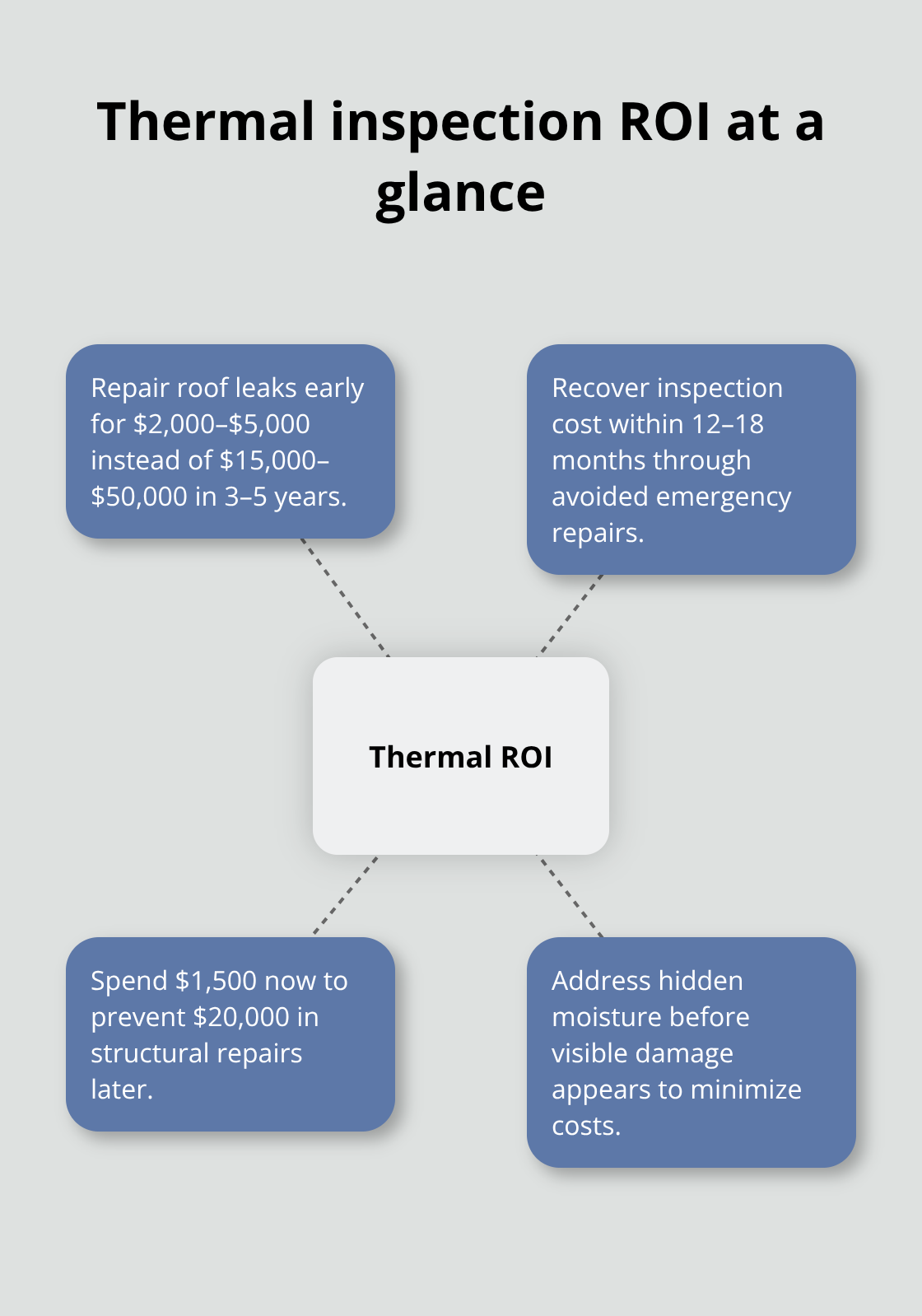
The financial argument is straightforward: spending $1,500 on a thermal inspection prevents $20,000 in structural repairs that become necessary when moisture damage spreads unchecked.
Energy Waste Stops When You Know Exactly Where Heat Escapes
A manufacturing facility cannot reduce energy costs without identifying where conditioned air actually leaves the building. Thermal imaging shows you the precise locations of insulation gaps, window seal failures, and door frame leaks that create energy waste, and this specificity matters enormously for budgeting. The U.S. Department of Energy reports that heating and cooling accounts for approximately 48 percent of energy consumption in commercial buildings, making HVAC efficiency a primary cost driver. Thermal data allows facility managers to calculate the exact financial return on energy efficiency improvements before committing capital. A warehouse manager might discover that a single loading dock door with a failed seal is responsible for $8,000 in annual HVAC waste, making the repair decision obvious. Without thermal verification, that same manager might prioritize cosmetic upgrades instead, wasting money on low-impact improvements while expensive energy loss continues unaddressed.
Maintenance Decisions Based on Temperature Data Eliminate Guesswork
Equipment failures announce themselves through heat patterns weeks or months before catastrophic breakdown occurs. Thermal imaging of electrical panels, HVAC compressors, and industrial motors reveals which components operate outside normal temperature ranges, allowing maintenance teams to schedule repairs during planned downtime rather than responding to emergency failures. A facility manager who acts on thermal data avoids the $50,000 to $250,000 cost of unexpected production shutdowns. This approach transforms maintenance from reactive fire-fighting into strategic planning where you control the timeline and budget impact. Thermal reports provide your maintenance team with the specific temperature data they need to make informed decisions about which equipment to prioritize and when to schedule service work.
Final Thoughts
Thermal imaging transforms property management from guesswork into data-driven decision-making. Temperature patterns revealed through thermal building inspection services show you exactly where money leaks out of your building, where equipment fails, and where structural damage develops. This specificity eliminates wasted spending on low-impact repairs while your actual problems remain unaddressed.
Property owners and facility managers who act on thermal data recover inspection costs within months through avoided emergency repairs and reduced energy waste. Commercial property managers see annual utility savings that far exceed the inspection expense, while manufacturing facilities prevent catastrophic equipment failures that would cost tens of thousands in lost production time. Residential buyers gain confidence in their purchase decisions because thermal reports document actual building condition rather than relying on visual assessment alone.
Professional thermal inspections deliver results faster and more accurately than standard building assessments because the technology reveals problems that remain invisible to the human eye. Your maintenance team receives specific temperature data that guides repair priorities and scheduling decisions, and you avoid the expensive surprises that emerge when hidden moisture damage, insulation failures, and electrical stress patterns go undetected. Schedule your thermal building inspection with IE Drone Services to start making decisions based on actual building performance rather than assumptions.