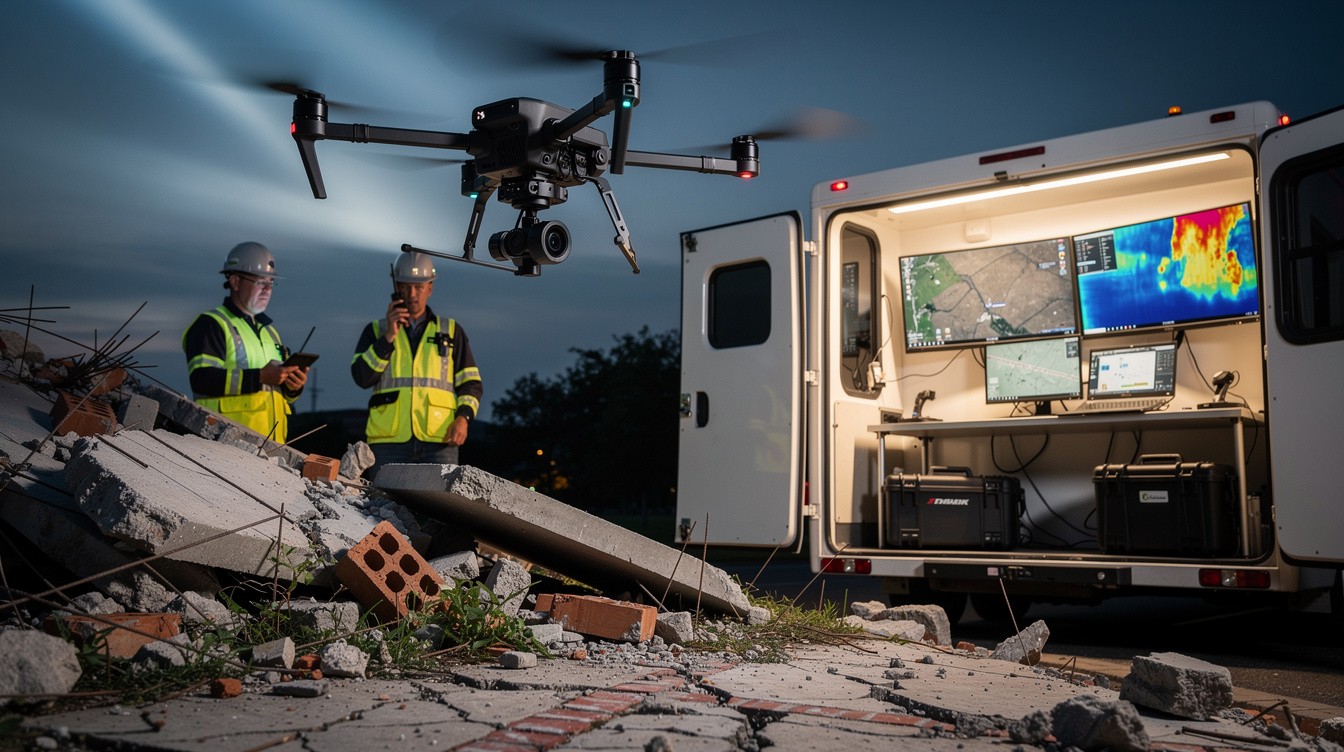
When someone goes missing in a remote area or disaster strikes, every second counts. Traditional search methods are slow, expensive, and often miss critical details that could save lives.
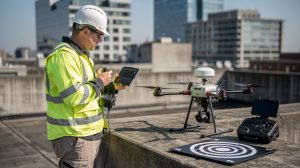
At IE Drone Services, we’ve seen firsthand how UAV search operations change the game. Drones deliver real-time aerial intelligence that ground teams simply cannot match, covering vast areas in minutes instead of hours.
How UAVs Transform Emergency Response
Deployment Speed That Saves Lives
Deployment speed separates effective emergency response from tragedy. Traditional helicopter search and rescue takes 30 to 60 minutes just to get airborne and reach a remote location. A drone launches in under five minutes and covers the same distance in a fraction of that time.
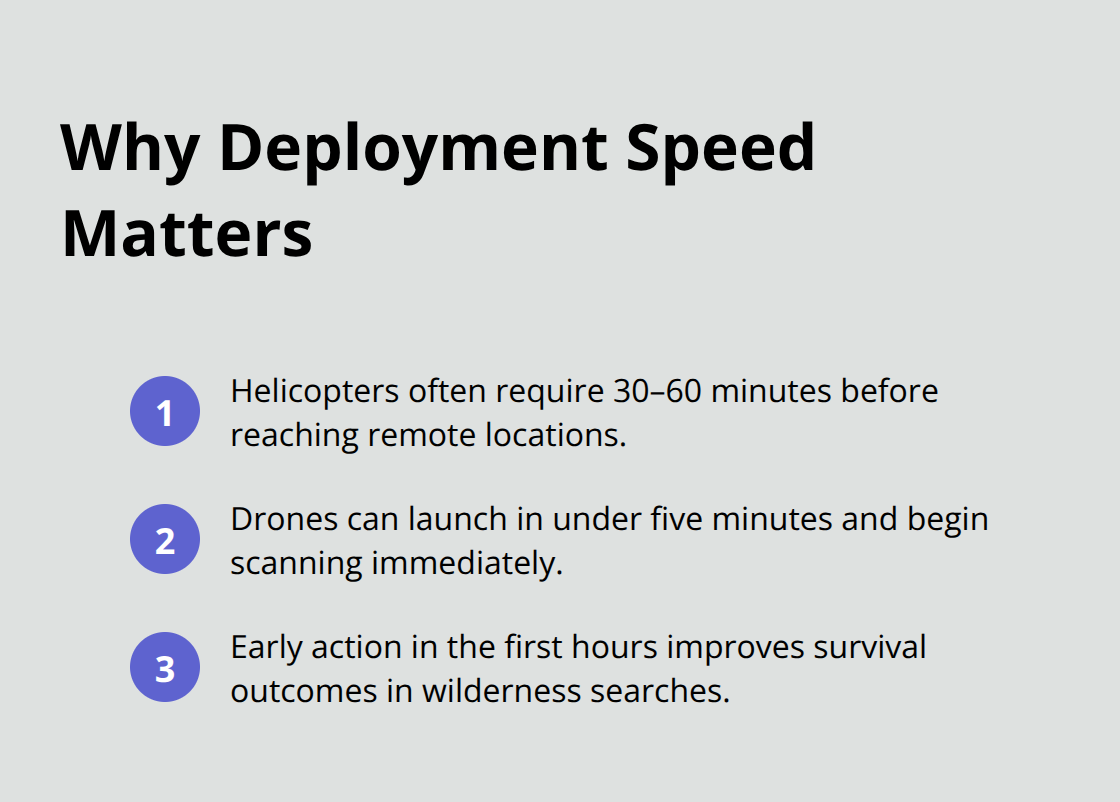
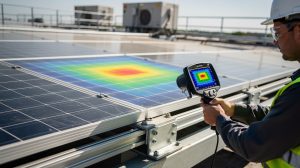
Thermal cameras detect infrared energy from visible surfaces while ground teams are still organizing their initial sweep. This speed advantage matters most in the first critical hours when missing persons remain mobile and conditions stay manageable. The National Association for Search and Rescue reports that subjects found within the first 24 hours have significantly better survival outcomes, particularly in wilderness environments where exposure becomes the primary threat. Drones eliminate the delay between decision and action, giving rescue teams hours they would otherwise lose.
Real-Time Data Changes Ground Operations
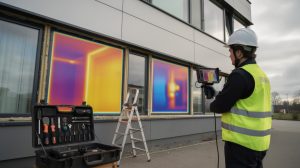
Real-time data collection transforms how rescue operations work on the ground. High-resolution cameras paired with thermal imaging reveal heat signatures invisible to the human eye, making night searches and low-visibility conditions manageable rather than impossible. Thermal cameras detect a person’s body heat from hundreds of feet away, even through fog, dense vegetation, or darkness. Ground teams receive live video feeds directly on mobile devices and command center displays, allowing them to coordinate movements without waiting for reports or radio updates. This eliminates the communication lag that typically slows rescue efforts.
Cost Reduction Removes Financial Barriers
Cost reduction follows naturally from this efficiency. Traditional helicopter search costs between $2,000 and $5,000 per flight hour, while drone operations run a fraction of that expense. Emergency services conduct multiple drone searches for the cost of a single helicopter deployment.
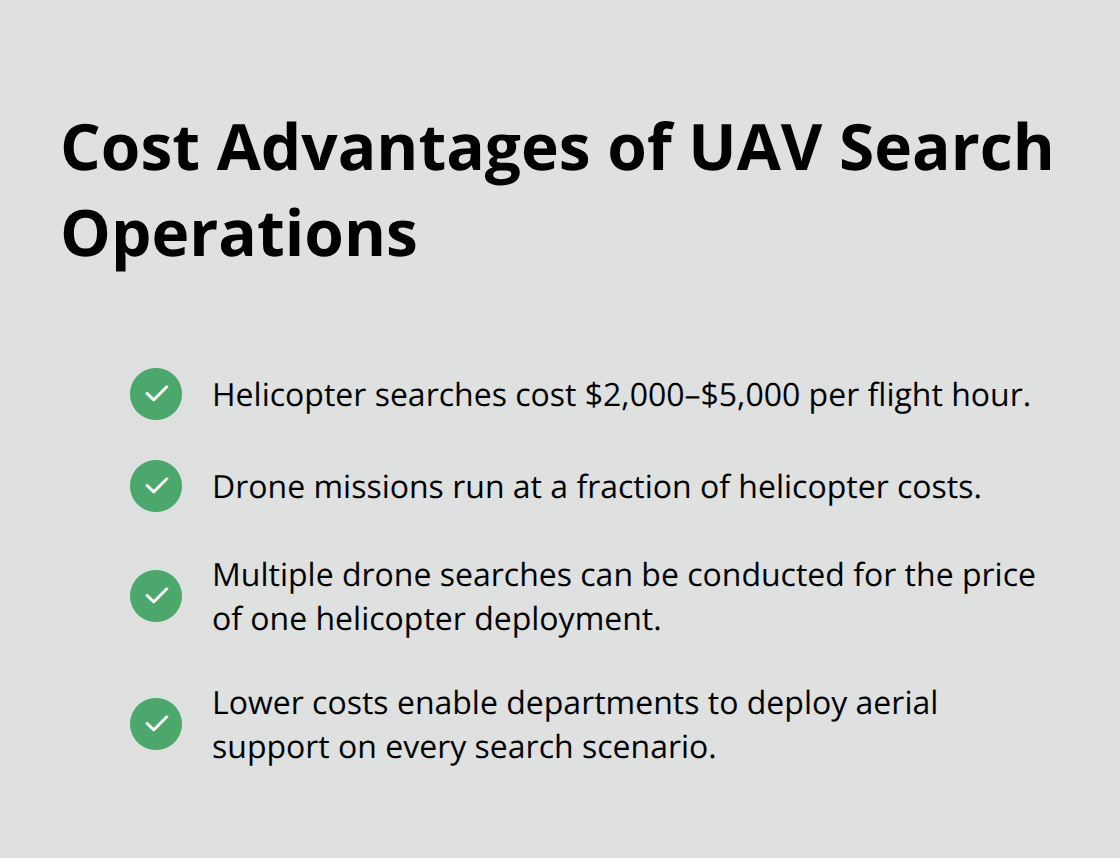
This cost advantage removes financial barriers that previously forced difficult triage decisions about which missing persons warranted aerial resources. Departments now deploy drones for every search scenario rather than reserving them for only the most critical cases.
These operational advantages set the foundation for understanding how drones perform in specific rescue scenarios. The next section examines real-world applications where UAVs locate missing persons and coordinate with ground teams during active rescue operations.
UAV Search Operations in Action
Remote Area Rescues Demand Speed
Remote area rescues demand speed, and drones deliver it consistently. When someone disappears in mountainous terrain, dense forest, or vast open land, ground teams face hours of searching with limited visibility and no way to cover ground efficiently. Drones scan these same areas in minutes, with thermal cameras detecting body heat signatures from heights that prevent detection by human searchers. A missing hiker in the Sierra Nevada or desert terrain becomes visible through thermal imaging within the first few minutes of drone deployment, while ground teams are still organizing their initial perimeter. This speed advantage translates directly into survival rates. Exposure, hypothermia, and injury worsen rapidly in remote environments, making those first minutes irreplaceable. Drones equipped with high-resolution cameras and thermal sensors eliminate the guesswork that plagues traditional searches, replacing it with concrete visual evidence that directs ground teams to exact coordinates rather than general search zones.
Coordination Between Air and Ground Operations
Successful rescues depend on seamless communication between aerial and ground resources. When a drone operator spots a missing person via thermal imaging, that information must reach ground teams instantly and clearly enough to guide them to the exact location. Live video feeds transmitted to command centers and mobile devices allow incident commanders to direct rescue personnel in real time, eliminating the communication delays that plague radio-based coordination. Ground teams receive continuous visual updates rather than secondhand descriptions, reducing navigation errors and wasted movement. Rescue operations in challenging terrain benefit most from this direct coordination, as drone operators track ground team movements while simultaneously scanning unexplored areas, creating a unified operational picture.
Thermal Imaging Extends Search Windows
Thermal imaging proves especially valuable during night rescues and low-visibility conditions, where darkness or fog would normally halt ground operations entirely. A thermal camera sees body heat regardless of lighting conditions, allowing rescue teams to work through the night without losing their aerial advantage. This capability transforms nighttime search operations from uncertain ventures into reliable rescue methods, extending effective search windows and improving outcomes significantly. Operators can track missing persons who move during darkness, something ground teams cannot accomplish without aerial support. The combination of thermal detection and real-time coordination creates rescue capabilities that ground-only operations simply cannot match, setting the stage for understanding the specific technical systems that make these operations possible.
Technical Capabilities That Make UAVs Effective
High-Resolution Cameras and Thermal Sensors Work Together
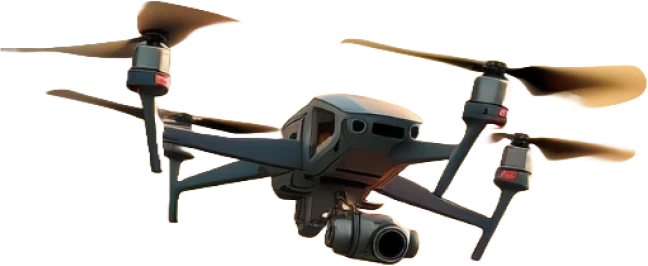
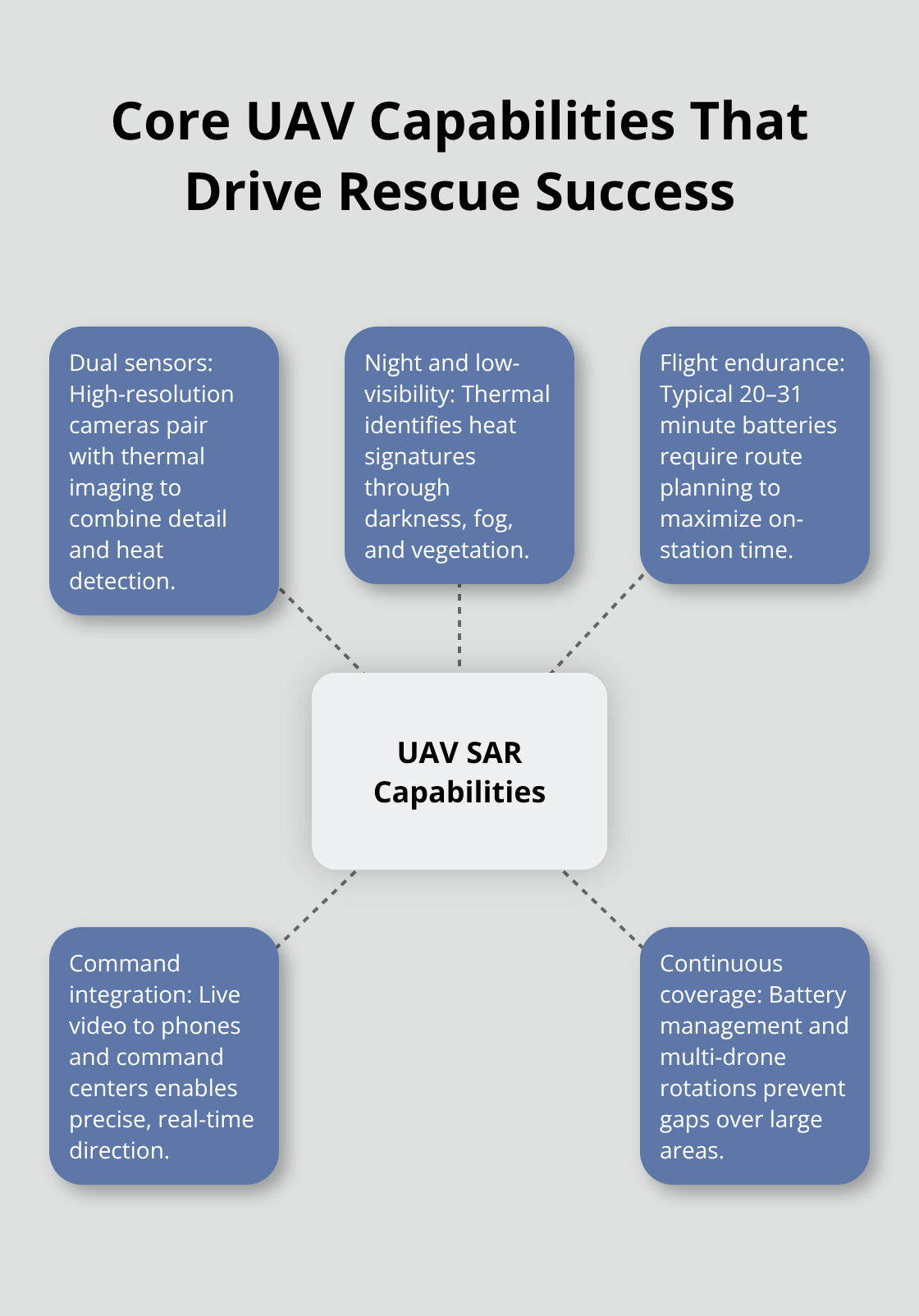
The technical foundation of modern UAV search operations rests on two interconnected capabilities that work together to deliver results ground teams cannot achieve alone. High-resolution cameras capture fine detail from hundreds of feet away, while thermal sensors detect human body heat through darkness, fog, and dense vegetation that would stop traditional searches completely. A thermal camera alone misses visual details like clothing color or distinguishing features, while a standard camera becomes useless at night. Together, they create a complete picture that guides rescue teams to exact locations rather than general search zones. This dual-sensor approach eliminates the compromises that plague single-sensor systems, allowing operators to identify subjects with confidence and precision.
Extended Flight Time Reaches Remote Locations
Extended flight time and operational range determine whether a drone can actually reach the search area and stay there long enough to matter. Most commercial UAVs operate for 20 to 31 minutes per battery, which sounds adequate until you factor in the time needed to reach a remote location, conduct a thorough search pattern, and return safely. A drone deployed 15 minutes into a search operation loses half its available search time just traveling to the target zone. Operators must plan flight paths carefully to maximize search coverage within battery constraints. Strategic battery management and multiple drone deployments allow rescue teams to maintain continuous aerial surveillance across large areas without gaps in coverage.
Command Center Integration Connects Data to Action
Integration with command center integration and real-time video feeds transforms raw video feeds into actionable intelligence that coordinates ground teams in real time. Rescue personnel receive live video on their phones and command center displays, eliminating the communication delays that waste critical minutes during active operations. Incident commanders direct ground teams toward exact coordinates rather than relying on radio descriptions that introduce errors and confusion. This direct visual connection allows rescue coordinators to track both aerial and ground resources simultaneously, creating unified situational awareness across the entire operation. The technical systems matter only when they connect people to information fast enough to change outcomes during the narrow window when missing persons remain mobile and rescue efforts stay effective.
Final Thoughts
UAV search operations deliver speed, precision, and real-time coordination that ground teams cannot achieve alone. Thermal imaging reveals missing persons through darkness and fog while high-resolution cameras provide the visual detail rescue teams need to act with confidence. Cost efficiency removes the financial barriers that once forced emergency services to ration aerial resources, allowing departments to deploy drones for every search scenario rather than only the most critical cases.
The specific advantages matter most when conditions demand them. Remote area rescues benefit immediately from aerial speed, night searches become manageable through thermal detection, and disaster response operations gain efficiency from drones that scan multiple locations simultaneously. We at IE Drone Services operate FAA-certified teams with DJI platforms equipped with infrared and high-resolution cameras specifically designed for search-and-rescue missions.
When your emergency response team faces a missing person in remote terrain or needs rapid aerial assessment during a disaster, contact IE Drone Services for immediate deployment. Our experienced operators provide the aerial intelligence your ground teams need to locate missing persons faster and coordinate rescue efforts with confidence during those critical first hours.