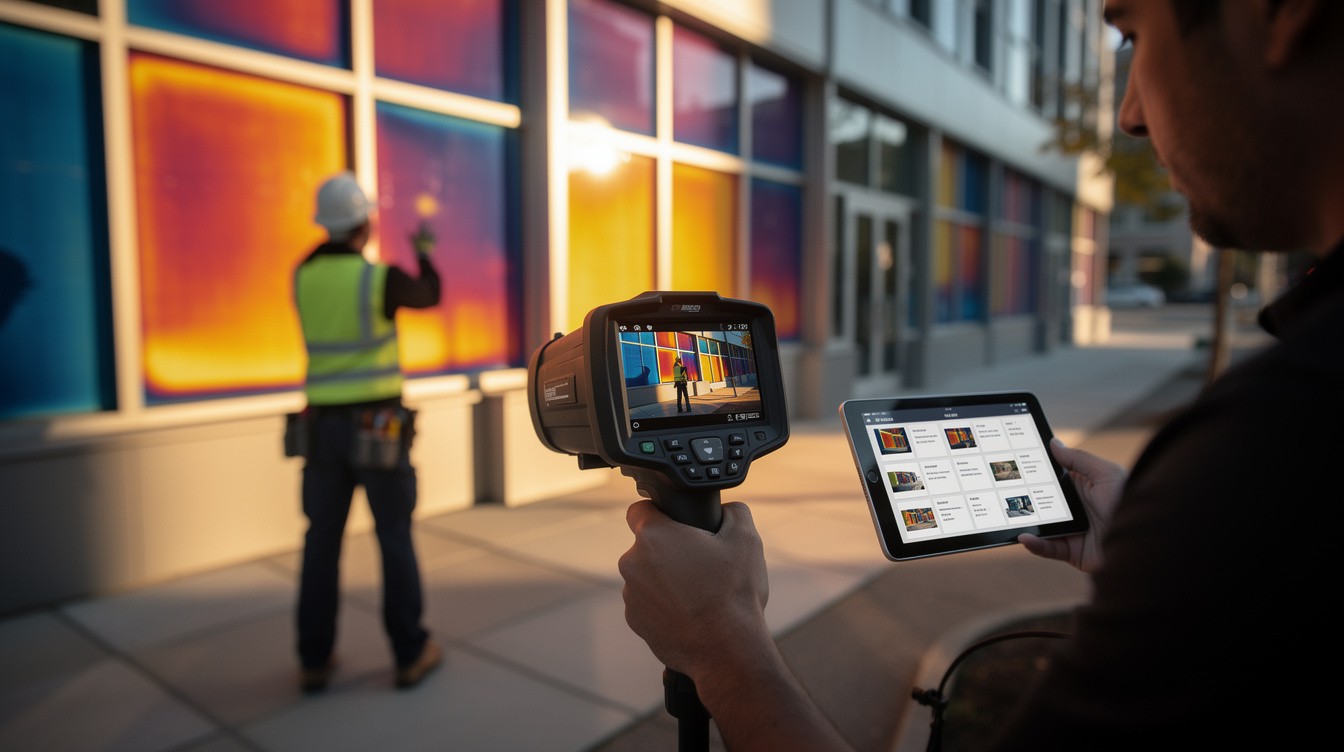
Building managers face a constant challenge: identifying energy waste and equipment failures before they become expensive problems.
A fast building thermal survey gives you the data you need in hours, not days. We at IE Drone Services use drone-based thermal imaging to spot heat loss, HVAC issues, and insulation problems with speed and precision that traditional inspections simply cannot match.
Why Thermal Surveys Deliver Results in Hours, Not Weeks
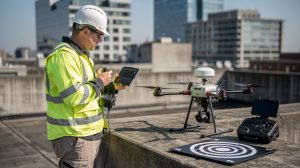
Thermal imaging cameras detect infrared radiation emitted by objects, converting temperature differences into visual data that reveals problems invisible to the human eye. When mounted on drones, these cameras cover large building surfaces-roofs, facades, HVAC units-in a single flight that typically takes two to four hours from start to finish. Traditional methods require inspectors to manually access each area, often using ladders, scaffolding, or rope systems, which means a single-story roof inspection consumes an entire workday just for setup and safety protocols. Drone-based thermal imaging captures thermal data across your entire property in a fraction of that time, giving you actionable insights without the extended timeline.
Real-Time Data Beats Guesswork
The moment your thermal survey completes, you receive precise temperature readings for every surface inspected. A malfunctioning HVAC unit typically shows a 5 to 15-degree temperature variance compared to properly functioning zones, and thermal imaging detects this immediately rather than waiting for equipment failure. Poor insulation in attic spaces creates thermal signatures that stand out clearly in thermal data, allowing you to prioritize repairs before winter heating costs spike. Buildings lose heating energy through inadequate insulation and air leaks, yet many property managers remain unaware of where those losses occur until bills arrive. Thermal surveys pinpoint exactly where energy escapes, eliminating the guesswork that leads to wasted money on ineffective repairs. You receive specific temperature data, exact problem locations, and a clear repair priority list-all delivered within hours of the flight.
Minimal Disruption, Maximum Efficiency
Ground-based thermal inspections require inspectors to access occupied spaces, position equipment, and work around tenant activities, which disrupts normal operations and extends project timelines.
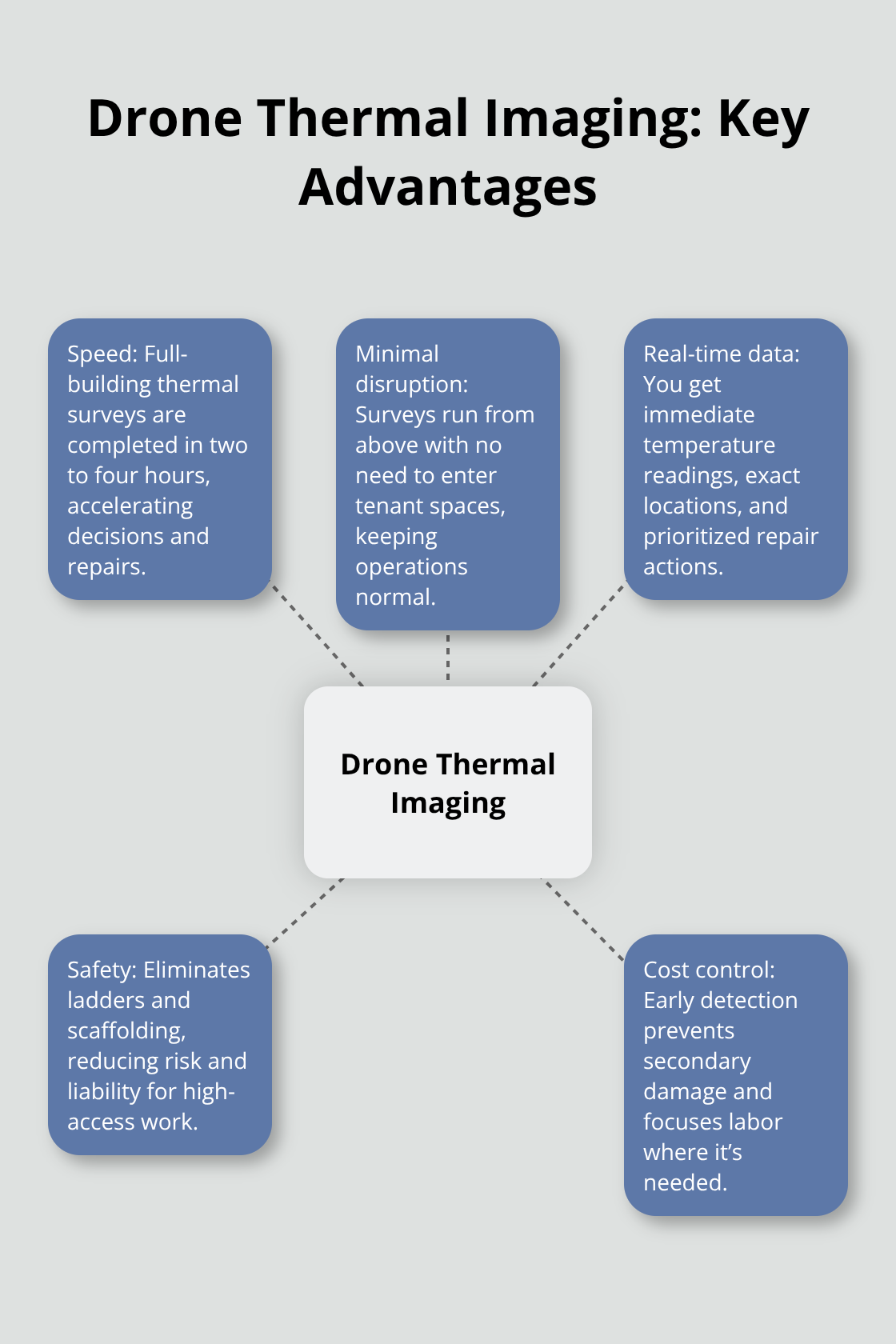
Drone-based thermal imaging operates from above, requiring only a clear flight path and a safe launch zone, meaning your building remains fully operational throughout the survey. Parking lots, rooftops, and exterior walls receive assessment without entering tenant spaces or scheduling extended access windows. Property managers dealing with multi-tenant commercial buildings report that reducing inspection time from three to five days down to a few hours eliminates scheduling conflicts and tenant complaints about access disruptions. The speed of aerial thermal assessment also means you respond faster to emerging problems-a roof leak detected in the morning allows repairs to start the same week rather than waiting weeks for traditional inspection availability.
Why Speed Matters for Your Bottom Line
Fast thermal data collection translates directly to faster decision-making and lower repair costs. When you identify a failing HVAC component within hours instead of days, you prevent secondary damage that compounds repair expenses. A roof leak that goes undetected for weeks can cause structural damage, mold growth, and insulation degradation-problems that cost significantly more to fix than the original leak. Thermal surveys reveal these issues at their earliest stages, when repairs remain affordable and contained. The combination of rapid detection and precise location data means your maintenance team tackles problems efficiently, without wasting time on areas that don’t need attention.
Where Thermal Surveys Reveal Hidden Building Problems
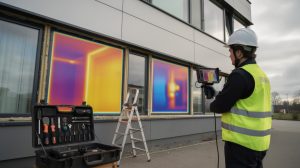
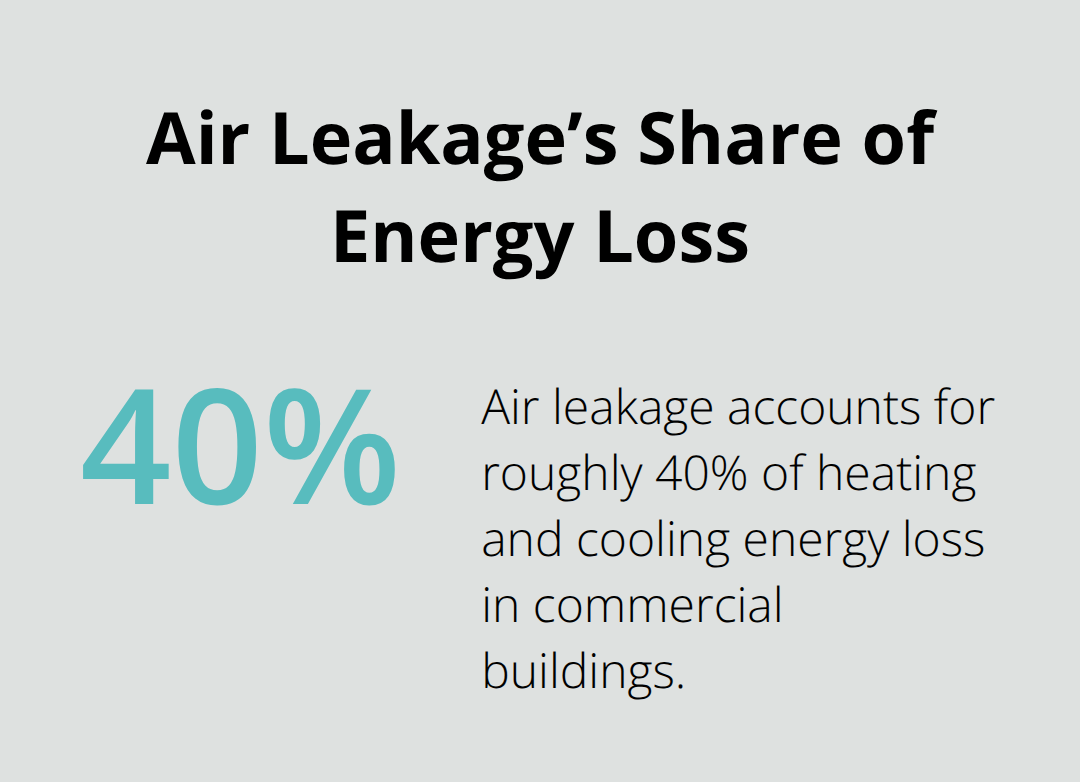
Roof failures, insulation gaps, and HVAC malfunctions cost property managers thousands in emergency repairs because these problems remain invisible until they cause visible damage. Thermal imaging exposes what standard inspections miss: a roof section losing heat at 45 degrees while surrounding areas sit at 68 degrees signals moisture intrusion or missing insulation long before leaks appear inside. The U.S. Department of Energy reports that air leakage accounts for roughly 40 percent of heating and cooling energy loss in commercial buildings, yet property managers typically discover these leaks only when energy bills spike or tenants complain about temperature inconsistencies.
Thermal surveys pinpoint air leaks in building envelopes, failed roof sections, and compromised insulation with thermal signatures that translate directly into repair priorities. You see exactly which roof zones require attention, which insulation areas have degraded, and which HVAC units operate below capacity-information that transforms maintenance from reactive firefighting into strategic planning.
HVAC Failures Cost More When You Wait
A single HVAC unit running 10 to 15 degrees warmer or cooler than its paired unit indicates compressor strain, refrigerant loss, or airflow blockage that worsens daily. Thermal imaging detects these temperature variances within hours, allowing your technician to service the unit before complete failure forces emergency replacement at triple the cost. Commercial HVAC equipment failures typically consume 2 to 3 weeks for parts ordering and installation, during which tenants experience uncomfortable conditions and property managers field complaints. Early detection through thermal assessment prevents this downtime entirely. Additionally, thermal data shows which zones receive uneven heating or cooling, revealing ductwork problems or damper failures that waste energy across entire floors.
Roof and Insulation Problems Demand Early Detection
Moisture intrusion in roof cavities creates distinct thermal patterns that thermal imaging reveals before visible water stains appear on ceilings. Property managers who address these thermal anomalies immediately prevent structural rot, mold growth, and insulation degradation that multiply repair costs exponentially. Insulation degradation often concentrates in specific zones-corners, valleys, or areas with poor ventilation-where thermal imaging pinpoints exactly where heat transfer occurs. You address these issues systematically rather than responding to tenant complaints one by one. Thermal data also identifies thermal bridging through structural elements, showing where metal studs or concrete penetrations create pathways for heat loss that standard visual inspection cannot detect.
Solar and Roof Performance Demands Thermal Verification
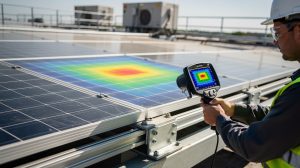
Solar panel installations generate revenue only when panels operate at peak efficiency, yet many property owners never verify actual performance after installation. Thermal imaging reveals panels running cooler than expected, indicating proper function, or panels showing hot spots that signal internal faults, bypass diode failures, or connection problems reducing output. A solar array with just two or three underperforming panels can reduce total system output by 10 to 15 percent, costing thousands annually in lost energy production. Thermal surveys identify these specific panels before performance degradation becomes apparent in monthly production reports. Roof-mounted equipment-HVAC units, exhaust fans, ductwork-also appears clearly in thermal data, showing exactly where heat transfers occur and where weather sealing has failed (preventing secondary damage to underlying roof structure and insulation).
Moving From Problem Detection to Strategic Solutions
Thermal data transforms how property managers approach building maintenance. Instead of waiting for failures to announce themselves through tenant complaints or visible damage, you obtain precise information that guides targeted repairs and prevents cascading problems. This shift from reactive to proactive maintenance requires the right thermal imaging partner-one equipped with high-resolution infrared cameras and the expertise to translate thermal data into actionable repair priorities. The next section examines how drone-based thermal imaging outperforms traditional inspection methods, delivering both the speed and precision that property managers need to protect their assets.
How Drone Thermal Imaging Outperforms Traditional Methods
Traditional thermal inspections require inspectors to physically access every surface of a building, which means scheduling around tenant occupancy, arranging ladders or scaffolding, and coordinating multiple site visits across days or weeks. A typical roof thermal assessment using manual methods takes three to five days when you factor in setup time, safety protocols, equipment positioning, and the physical limitations of ground-based access. Drone-based thermal imaging completes the same inspection in two to four hours, capturing thermal data across your entire roof, facade, HVAC systems, and solar installations in a single flight. This speed difference matters because property managers who wait days for inspection results also delay decision-making on repairs. The faster you identify a failing HVAC unit or roof leak detection within hours instead of days, the faster you prevent secondary damage that multiplies repair costs.
Speed Advantage Eliminates Scheduling Delays
Ground-based thermal inspections consume entire workdays just for setup and safety protocols before inspectors even begin collecting data. Drone-based thermal imaging operates from the ground, requiring only a clear launch zone and safe flight path while eliminating the coordination delays that come with arranging specialized equipment and trained personnel for high-access work. Property managers who receive thermal results within hours instead of waiting weeks for traditional inspectors can respond to emerging problems immediately rather than allowing them to worsen into expensive failures. The compressed timeline means your maintenance team acts on roof leaks, HVAC failures, and insulation problems at their earliest stages, when repairs remain affordable and contained.
Safety Advantages Reduce Risk and Liability
Inspectors working at height on ladders, scaffolding, or rope systems face genuine hazard exposure, and property managers must coordinate insurance coverage, safety equipment, and liability protection for these activities. Drone-based thermal imaging eliminates worker exposure to falls, electrical hazards, or weather conditions that make ground-based inspections dangerous. This safety advantage also removes the need for specialized equipment rentals and extended insurance riders that traditional inspections require. Additionally, drones capture thermal data without entering occupied spaces, meaning tenants experience no disruption and no concerns about strangers accessing their units or common areas.
Cost Savings Through Faster Problem Identification
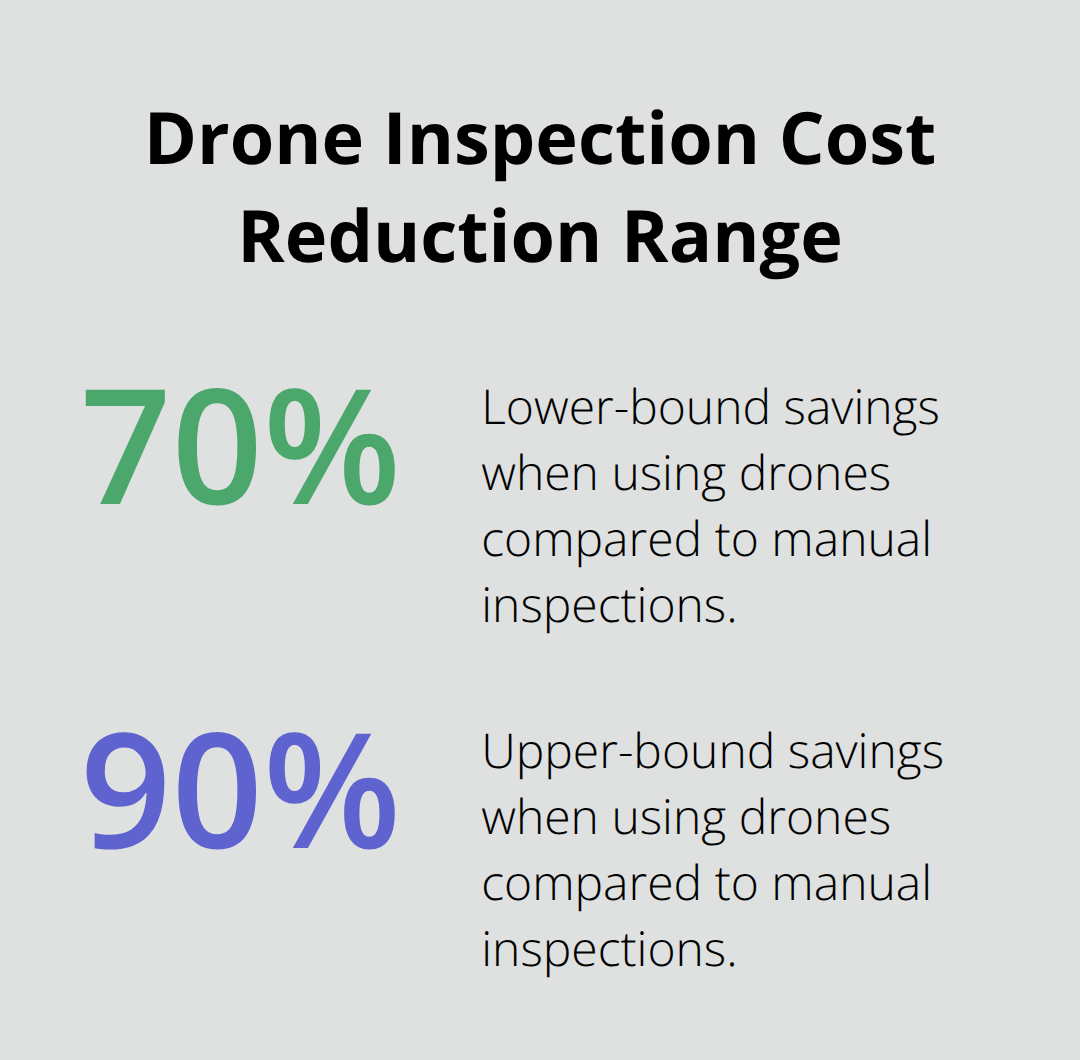
Drone inspections reduce these costs by 70-90% compared to traditional methods. When you identify a failing HVAC component within hours instead of days, you prevent secondary damage that compounds repair expenses. A roof leak that remains undetected for weeks causes structural damage, mold growth, and insulation degradation-problems that cost significantly more to fix than the original leak.
Thermal surveys reveal these issues at their earliest stages, when repairs remain affordable and your maintenance team tackles problems efficiently without wasting time on areas that don’t need attention.
Final Thoughts
Fast building thermal surveys transform how you manage property maintenance by replacing reactive firefighting with strategic planning based on real data. Thermal imaging identifies roof failures, HVAC malfunctions, and insulation problems within hours, allowing you to address issues at their earliest stages when repairs cost far less than emergency replacements. This speed advantage directly protects your bottom line and prevents the cascading damage that turns minor problems into major expenses.
Property managers who act on thermal data immediately stop roof leaks before structural damage spreads, service failing HVAC units before complete failure forces costly emergency replacement, and catch solar panel faults before months of lost energy production accumulate. The precision of thermal imaging means your maintenance team tackles problems efficiently without wasting resources on areas that don’t need attention. This approach transforms your building from a source of constant surprises into an asset you control through informed decision-making.
IE Drone Services delivers the thermal building inspections that give your maintenance team the precise data needed to make smart decisions fast. Contact us today to schedule your thermal inspection and start protecting your property with real insights instead of waiting for failures to announce themselves.