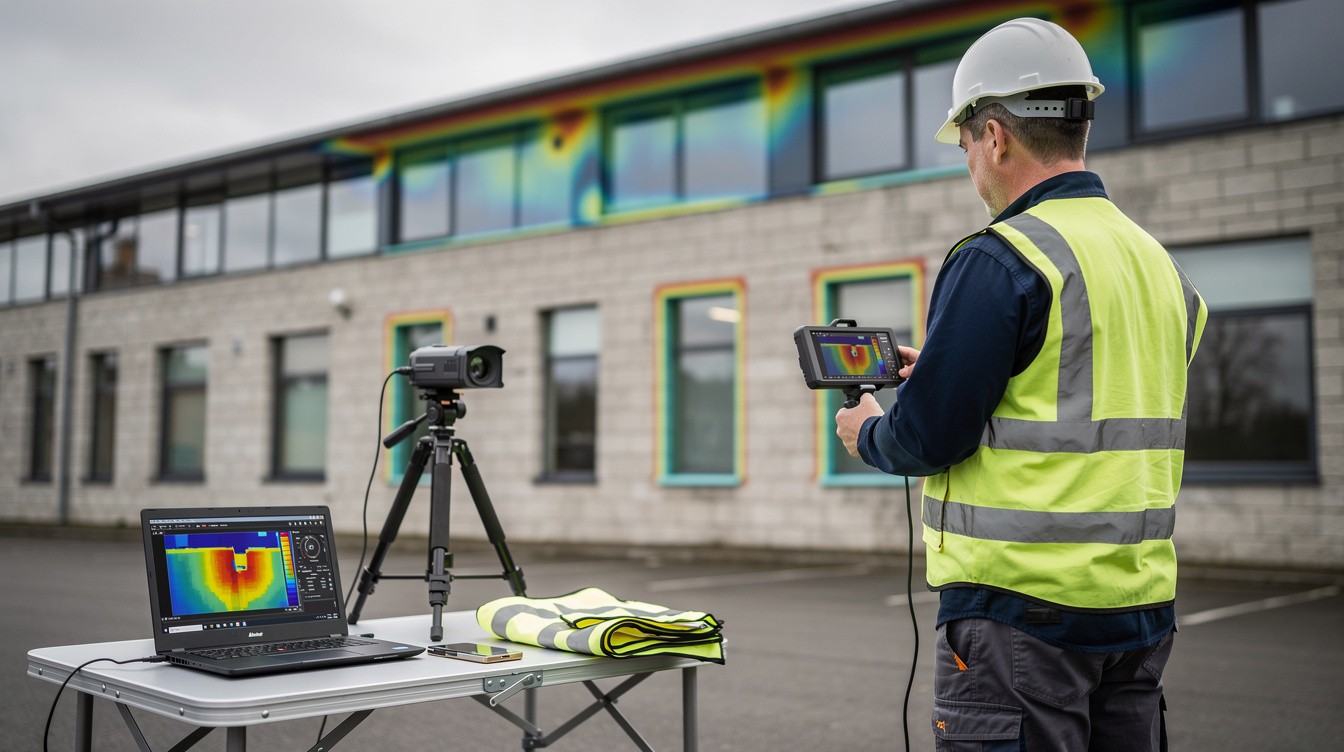
Building inspections traditionally rely on visual checks and manual testing, methods that often miss hidden problems until they become expensive repairs.
A thermal image building survey changes this by revealing temperature differences invisible to the naked eye, pinpointing issues like insulation failures, moisture intrusion, and energy loss in minutes rather than hours. At IE Drone Services, we’ve seen firsthand how this technology accelerates the entire inspection process while delivering more accurate results than conventional approaches.
What Thermal Imaging Actually Reveals
How Thermal Cameras Detect Hidden Problems
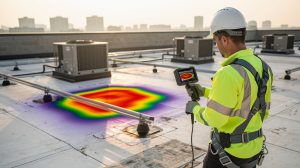
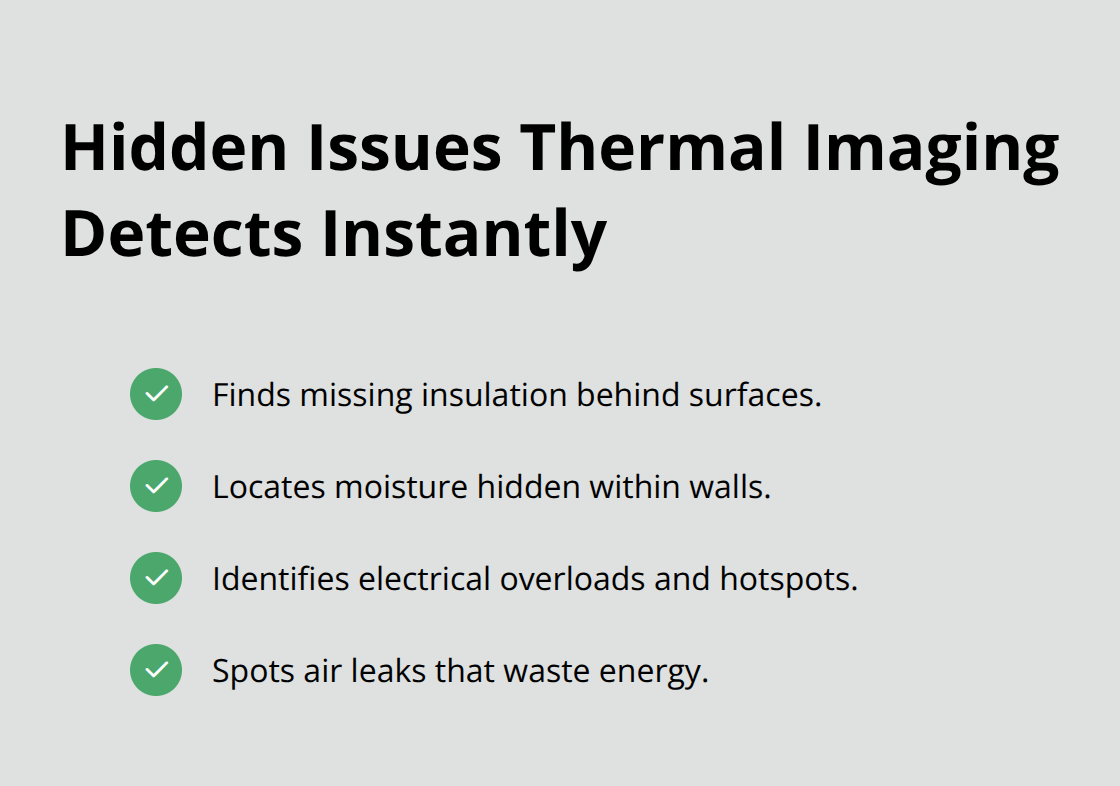
Thermal imaging is a process in which infrared (IR) energy is converted into a visible thermal image-heat energy that every object emits. A thermal camera captures this radiation and converts it into a visual map where temperature differences appear as distinct colors. Warmer areas show as reds and oranges, while cooler zones display as blues and purples. This temperature mapping exposes problems that remain completely hidden during standard visual inspections. Missing insulation, moisture behind walls, electrical overloads, and air leaks all create measurable temperature signatures that thermal cameras catch instantly.
Why Temperature Differences Matter
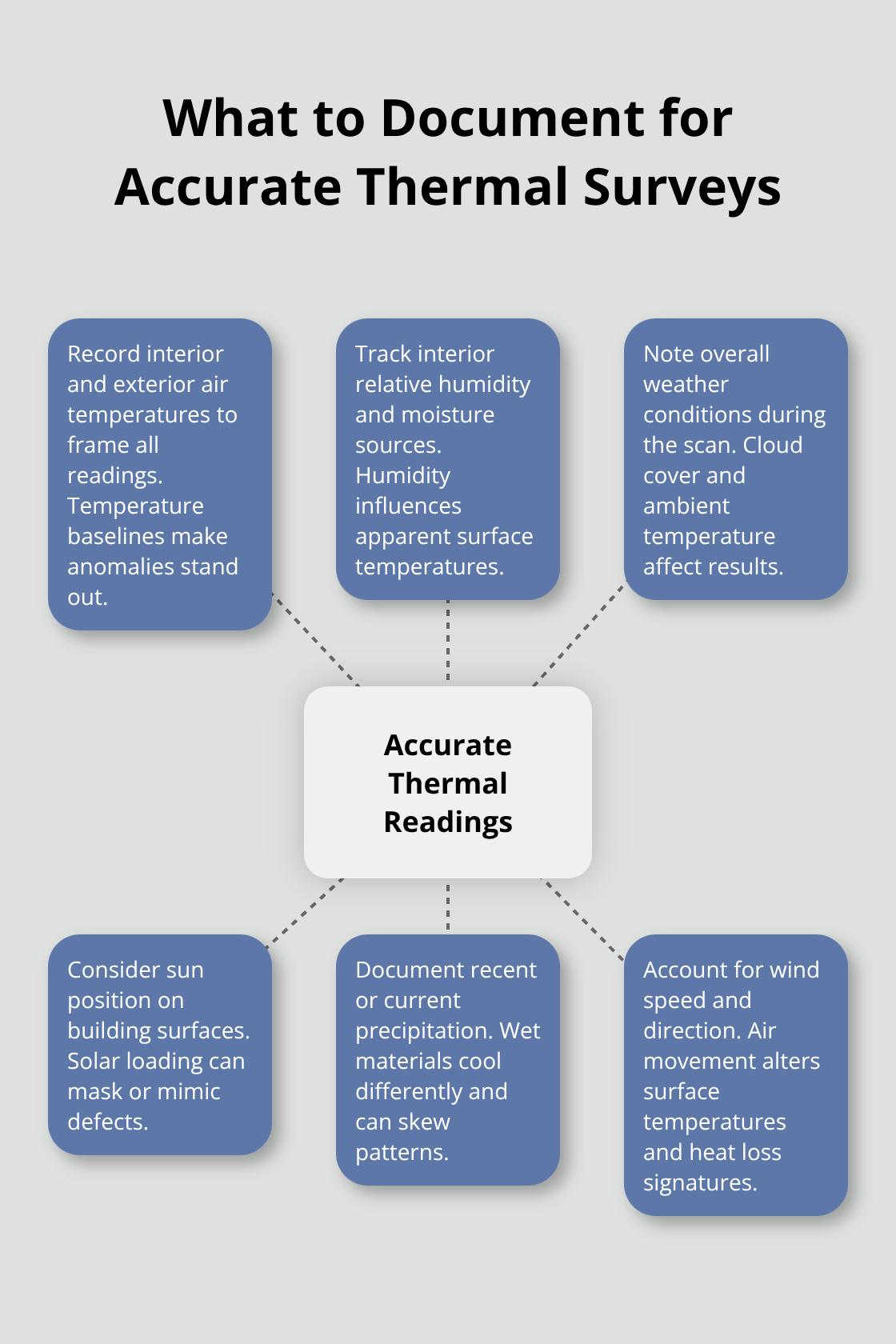
The U.S. Department of Energy’s Infrared Inspection Guide outlines best practices for these surveys, emphasizing that proper technique requires recording interior and exterior air temperatures, humidity levels, and weather conditions to contextualize readings accurately. A certified thermal inspector knows these variables matter tremendously-a temperature difference of 2°C or more between a suspect area and a comparable reference area warrants investigation, creating ideal conditions for detecting moisture and insulation failures on building exteriors. Environmental factors directly influence what the camera sees, so professionals document sun position, precipitation, and wind to interpret thermal data correctly.
The Invisible Threats Traditional Inspections Miss
Traditional inspections fail because inspectors rely on what they can see and touch. Moisture hiding behind drywall, degraded insulation buried in cavities, and electrical hotspots developing inside panels remain invisible until visible damage forces expensive repairs. Thermal imaging penetrates these barriers without damaging the building. A downtown Chicago commercial property discovered extensive hidden moisture under its roof membrane using thermal imaging, enabling targeted repairs that saved over $75,000 compared to a full roof replacement.
Electrical and Energy Hazards Thermal Cameras Catch
Electrical faults also hide dangerously-overloaded circuits generate heat long before they cause fires, but only thermal cameras detect these hotspots early. Energy loss through thermal bridges and air leaks accounts for significant utility waste, yet traditional walk-throughs miss these efficiency killers entirely. Thermal surveys of large areas take minutes instead of hours, accelerating decision-making and letting property owners address issues before they escalate into structural problems or safety hazards.
Moving Forward with Thermal Inspections
The speed advantage transforms how property managers prioritize repairs. Thermal data identifies which problems demand immediate attention and which can wait, enabling smarter budget allocation. This rapid assessment capability makes thermal imaging the foundation for any serious building evaluation strategy.
How Thermal Inspections Cut Site Time in Half
Real-Time Data Capture Replaces Multi-Day Visits
On-site inspection time is where thermal imaging delivers its most tangible advantage. A traditional manual building inspection requires inspectors to physically access multiple locations, manually test surfaces, and document findings with notes and photos that get compiled into reports days or weeks later. Thermal surveys compress this timeline dramatically. A certified thermal inspector scans an entire commercial building’s exterior in a fraction of the time a conventional inspection demands, capturing data that would otherwise require separate moisture meters, electrical testers, and insulation assessments. The camera documents temperature patterns in real time, eliminating the need for follow-up visits to verify suspicious areas with additional equipment.
Scheduling Inspections for Maximum Accuracy
The practical difference shows in project timelines. Where a manual inspection of a 50,000-square-foot commercial property might require two to three days on site with multiple technicians and return visits for diagnostic confirmation, thermal imaging completes the same assessment in hours. Environmental conditions matter for accuracy though-thermal imaging can be used to troubleshoot, perform pre- and postoutage measurements, verify successful installation or repair, and predict problems. This means scheduling inspections during optimal weather windows rather than random site visits. Interior humidity and air temperature must be recorded alongside exterior conditions to interpret readings correctly, but these measurements take minutes, not hours.
Immediate Analysis Accelerates Decision-Making
Once the thermal camera captures the data, analysis happens immediately. Modern thermal imaging software generates annotated reports with visual evidence embedded directly into the findings, eliminating the guesswork that plagues traditional inspections where inspectors must interpret vague descriptions of problem areas. Property managers receive actionable data the same day instead of waiting for lab results or expert opinions on ambiguous findings. This speed transforms decision-making. A property owner identifying a roof moisture intrusion through thermal imaging can approve targeted repairs within 48 hours rather than scheduling additional testing, obtaining multiple quotes, and debating whether the problem warrants investigation.
Financial Impact of Early Detection
The financial impact compounds quickly. Early detection through rapid thermal surveys prevents moisture from spreading, insulation from degrading further, and electrical hazards from escalating into fires or equipment failures that demand expensive emergency repairs or full system replacements. Targeted repairs guided by thermal findings often outperform full-system replacements in cost and disruption. This efficiency advantage makes thermal imaging the foundation for any serious building evaluation strategy, and understanding how these inspections integrate with your property’s specific needs determines whether you capture maximum value from the assessment.
Where Thermal Imaging Delivers the Biggest Impact
Energy Loss in Commercial Properties
Commercial property managers waste thousands annually on energy inefficiency they cannot see. Thermal imaging exposes exactly where heated or cooled air escapes through walls, roofs, and mechanical systems. A commercial building with poor insulation or thermal bridging shows temperature variations of 5°C to 10°C or more across exterior surfaces during heating or cooling seasons. These differences translate directly to utility costs.
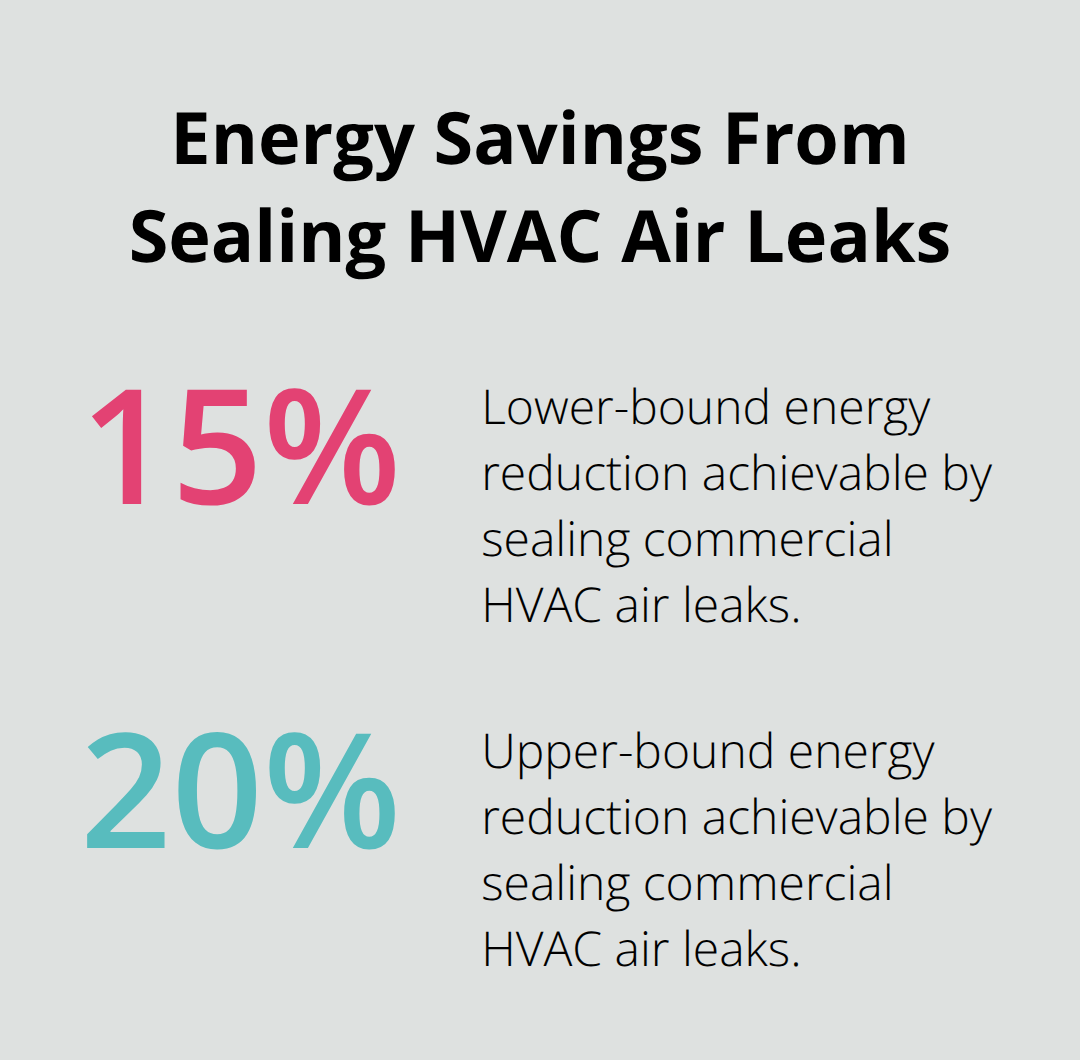
Identifying and sealing air leaks in commercial HVAC systems can reduce energy consumption by 15 to 20 percent according to building science research.
The practical advantage lies in targeting repairs precisely. Rather than replacing an entire roof or re-insulating all exterior walls, thermal surveys pinpoint the specific sections causing energy loss. A property manager receives a thermal report showing exactly which roof areas lack insulation, which wall cavities have settled insulation, and which ductwork leaks conditioned air. This specificity eliminates guesswork and prevents expensive full-system replacements when targeted repairs solve the problem at half the cost.
Moisture and Insulation Problems in Residential Homes
Residential properties present different but equally important opportunities. Moisture intrusion behind walls develops silently until mold appears or structural damage becomes visible. Moisture intrusion detection through thermal imaging works by detecting temperature differences on surfaces, revealing cooler spots caused by moisture. Early detection prevents moisture from spreading into structural components and creating health hazards. The cost of addressing moisture issues identified through thermal imaging typically runs far lower than remediation after visible mold or rot appears. Homeowners who act on thermal findings avoid the expense and disruption of major water damage restoration.
Roof and Solar Panel Performance
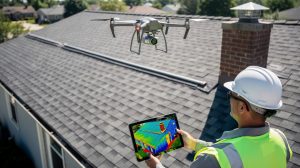
Roof and solar panel assessments benefit enormously from thermal data. A solar panel system operating inefficiently shows temperature inconsistencies across the array during thermal imaging, revealing shading, wiring faults, or panel degradation that reduces energy output. Roof thermal surveys identify missing sections of insulation, moisture under membranes, and structural issues without requiring inspectors to climb onto potentially hazardous surfaces.
The drone approach eliminates the need for ladders, scaffolding, or interior access points. IE Drone Services uses FAA-certified drone platforms with high-resolution and infrared cameras to deliver thermal building and roof inspections that capture these details safely and quickly. This method completes inspections in hours rather than days while delivering precise, actionable data that property owners can act on immediately.
Final Thoughts
Thermal image building surveys eliminate guesswork by delivering precise temperature data that reveals hidden problems in hours instead of days. Commercial buildings cut energy waste through targeted repairs, residential homes avoid costly mold remediation by catching moisture early, and roof systems get assessed safely without ladders or scaffolding. Property managers who adopt thermal imaging gain a competitive advantage through faster decision-making, lower repair costs, and documented evidence that justifies every remediation decision to stakeholders and insurers.
Environmental conditions, camera specifications, and proper interpretation of temperature data separate reliable inspections from misleading ones. A qualified thermal inspector documents humidity, air temperature, weather patterns, and surface emissivity to verify that findings reflect actual building conditions rather than temporary environmental factors. This attention to detail ensures that the thermal data you receive supports confident, informed decisions about your property’s true condition.
We at IE Drone Services bring FAA-certified drone platforms equipped with high-resolution and infrared cameras to deliver thermal building and roof inspections that capture the data you need to act decisively. Contact IE Drone Services to schedule your thermal image building survey and see what temperature patterns reveal about your property.