Your home is losing money every single day through energy leaks you can’t see. Air escapes through gaps around windows, heat vanishes through thin walls, and your HVAC system works overtime because of hidden ductwork problems.
Home energy leak detection reveals exactly where these losses happen, so you can fix them fast. We at IE Drone Services use thermal imaging to find leaks in minutes instead of hours, giving you a clear roadmap to lower your energy bills and boost comfort.
Where Your Home Loses Energy
Heating and cooling account for about 50% of the average household’s energy consumption, which means energy leaks directly attack your biggest expense. Windows and doors are obvious culprits, but the real damage happens in places you never see. Gaps around window frames and door jambs let conditioned air slip outside, while worn weatherstripping fails silently year after year. Electrical outlets and light switches on exterior walls have small gaps that contractors rarely seal properly, creating tiny channels for air to escape. Fireplace dampers left open waste heated and cooled air constantly, yet most homeowners forget they exist until winter arrives.
Ductwork Leaks That Drain Your Budget
Leaky ductwork causes catastrophic losses-wasting 25% to 40% of the air moving through forced-air heating and cooling systems. Your HVAC system works harder, runs longer, and burns more energy to heat or cool spaces that never actually reach your thermostat’s target temperature. These hidden leaks force your equipment to operate inefficiently, driving up monthly bills without improving comfort. Sealing ductwork connections with mastic sealant or metal tape stops this waste immediately and restores system performance.
Insulation Gaps That Most Inspections Miss
Inadequate attic insulation ranks as the second-largest source of energy waste in homes. Cold air sinks into living spaces through poorly insulated ceilings, while heat rises and vanishes through thin attic barriers in winter. Walls lack proper insulation in many older homes, and even newer construction sometimes cuts corners on exterior wall cavities. Attic hatches and access doors frequently sit unsealed, creating direct pathways between your conditioned space and unconditioned attic air. Crawl spaces and basement rim joists represent another major leak source that visual inspections often overlook completely.
The Real Cost of Ignoring These Leaks
The U.S. Department of Energy states that sealing air leaks and adding insulation can save homeowners up to 20% on annual heating and cooling costs, yet most people address neither problem. Your energy bills climb higher each month while your home’s comfort suffers. Thermal imaging technology reveals these hidden losses in minutes, showing you exactly where air escapes and heat transfers through your walls and ceilings. This visual data transforms guesswork into action, letting you prioritize fixes that deliver the fastest return on investment.
How Thermal Imaging Finds Energy Leaks in Minutes
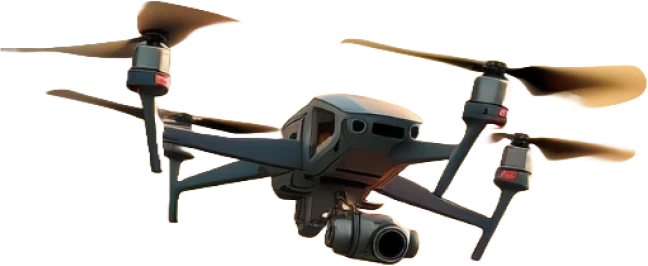
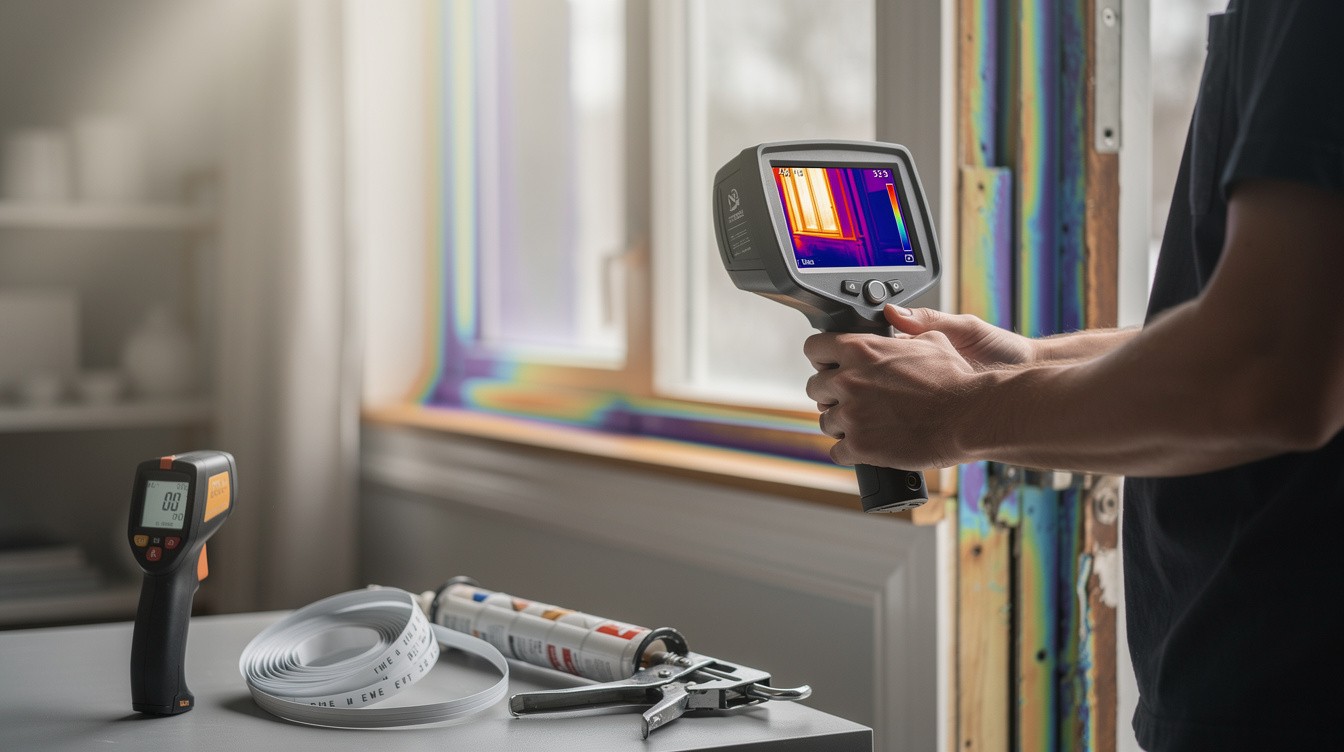
Thermal imaging cameras detect invisible temperature differences across your home’s surfaces, revealing exactly where air leaks and heat loss occur. These infrared cameras measure surface temperatures and display them as color-coded images, turning hidden problems into visible data you can act on immediately. Thermal imaging cuts through guesswork by showing temperature variations that indicate air movement and insulation failures in real time. High-resolution thermal cameras mounted on drone platforms scan entire roof systems, exterior walls, and attic spaces without climbing ladders or tearing into walls. This approach captures comprehensive thermal data in minutes instead of the hours a ground-level inspection would require, and it eliminates safety risks while delivering more accurate results.
Why Temperature Mapping Beats Traditional Inspections
Thermal imaging works because air leaks create measurable temperature differences on interior and exterior surfaces. Cold air entering through gaps around windows shows up as blue or purple zones on thermal images, while heat escaping through thin insulation appears as red or yellow areas. A trained technician interprets these color patterns to pinpoint leak locations with precision that visual inspection simply cannot match. Building Performance Institute certified auditors use thermal imaging during blower door tests to identify leaks while pressurizing the home, which amplifies temperature differences and makes even small gaps visible. The images generate permanent records of problem areas, allowing you to prioritize repairs based on severity and location. This data-driven approach prevents costly mistakes like spending money on low-impact fixes while ignoring major leak sources that waste thousands annually.
From Thermal Data to Your Action Plan
Thermal reports translate raw infrared images into actionable recommendations ranked by energy-savings potential. The report identifies which leaks deliver the fastest return on investment, helping you decide whether to seal windows first, add attic insulation, or repair ductwork connections. Homeowners typically see results within weeks after addressing the top-priority leaks identified in thermal reports. Federal and utility rebates often require documented thermal assessments before approving funding for improvements, which means a professional thermal inspection positions you to capture thousands in rebate money. Wisconsin Focus on Energy programs offer air-sealing rebates up to $1,475 for low-income households and $850 for higher-income homeowners, but these require a certified assessment showing the work improves your home’s thermal envelope. Professional thermal imaging also provides the baseline data needed to measure actual energy savings after repairs, proving your improvements worked and validating your investment decisions.
Taking Action on Your Thermal Report
Once you hold a thermal report in hand, the path forward becomes clear. The prioritized recommendations tell you which fixes matter most and which ones can wait. Sealing the top-priority leaks identified in your report typically costs far less than the annual energy waste those leaks cause, making the math simple. Many homeowners tackle the quickest wins first-weatherstripping doors, caulking window frames, and sealing electrical outlets-then move to larger projects like attic insulation or ductwork repairs. These improvements compound over time, stacking savings month after month and year after year. The thermal baseline also lets you verify that your repairs actually worked, transforming abstract promises into measurable proof that your home performs better.
Start Fixing Energy Leaks Right Now
Your thermal report shows you exactly where to start, and the fastest wins cost almost nothing. Weatherstripping around doors and windows takes an afternoon and stops air leaks cold, while caulking gaps around window frames seals pathways that waste thousands annually. These fixes cost under $200 and pay for themselves in weeks rather than months.
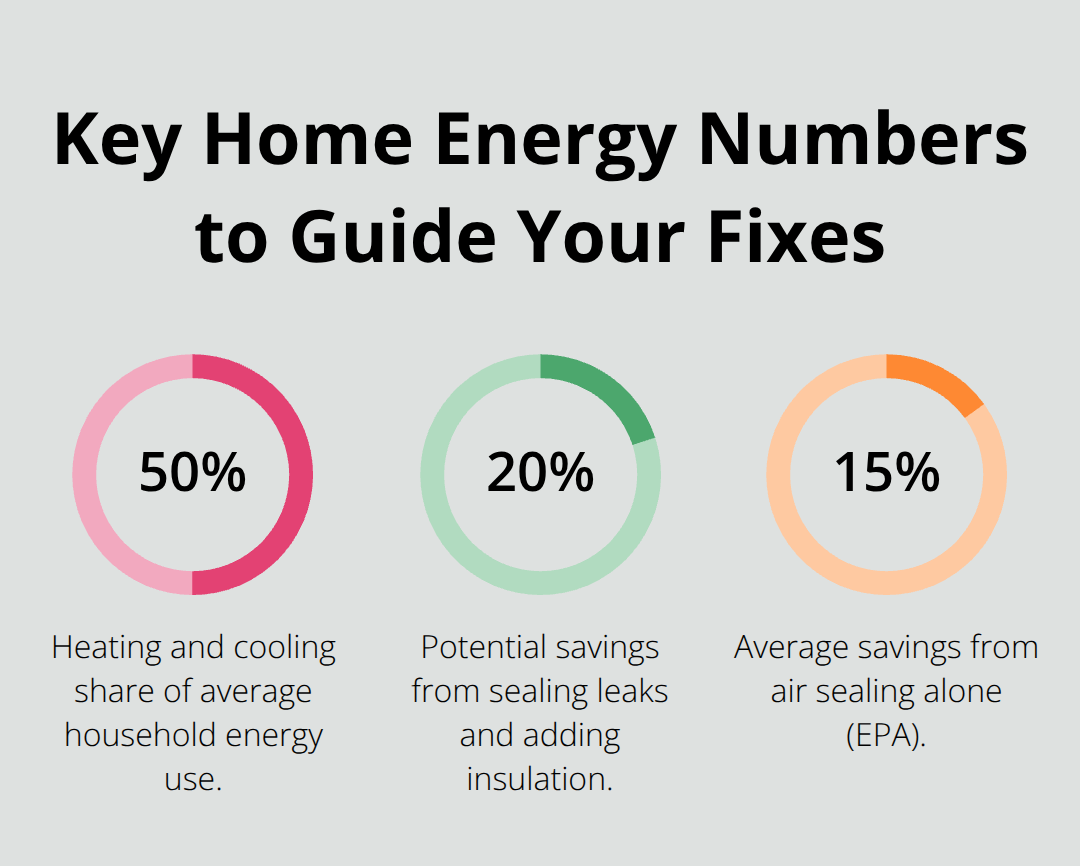
The EPA estimates that homeowners can save an average of 15% on heating and cooling costs by air sealing their homes, which means a $100 weatherstripping project on a home with $1,500 annual heating and cooling bills saves $225 yearly.
Seal Doors and Windows First
Start with exterior doors because they experience the most air movement and temperature swings. Replace worn weatherstripping with quality vinyl or rubber products rated for your climate zone, not the cheapest option at the hardware store. Caulk around window frames with paintable acrylic latex, not silicone, because you’ll need to repaint the frames anyway. Seal electrical outlets on exterior walls with foam gaskets and outlet covers, which costs pennies but stops drafts that sneak through tiny gaps behind faceplates. Your thermal report identifies which outlets show the largest temperature differences, so prioritize those first.
Stop Fireplace and Attic Air Loss
Close or seal fireplace dampers when not in use because an open damper wastes heated air constantly in winter, acting like leaving a window open year-round. Seal the attic hatch or access door with weatherstripping before adding insulation because an unsealed hatch negates much of your improvement.
Attic Insulation Delivers the Biggest Long-Term Payoff
Attic insulation improvements qualify for rebates through Wisconsin Focus on Energy programs for income-qualified homeowners, making this upgrade far more affordable than most people realize. Your thermal report shows exactly where insulation is missing or inadequate, eliminating guesswork about how much you need to add. Most attics need R-38 insulation minimum in cold climates, yet many older homes have R-11 or less.
Professional installation ensures proper coverage and avoids gaps that reduce effectiveness, and it qualifies for rebates depending on your household income. Ductwork leaking in unconditioned spaces qualifies for rebates when sealed with mastic sealant or metal tape, so your thermal inspection positions you to capture this funding immediately.
Capture Rebates With Professional Documentation
A professional thermal inspection creates the baseline data required to claim rebates and verify that improvements actually worked after installation. Thermal imaging documents attic conditions and insulation gaps with precision that ground-level inspections miss, giving you the evidence needed to access substantial rebate programs. Federal and utility rebates often require documented thermal assessments before approving funding for improvements, which means a professional thermal inspection positions you to capture thousands in rebate money. Wisconsin Focus on Energy programs demand certified assessments showing the work improves your home’s thermal envelope before releasing funds.
Final Thoughts
Home energy leak detection transforms invisible waste into visible action that saves you money and improves comfort immediately. Thermal imaging reveals exactly where your home loses energy, showing temperature differences that ground-level inspections miss completely. This data-driven approach eliminates guesswork and lets you prioritize fixes that deliver real savings, not theoretical promises.
Sealing air leaks around windows and doors costs almost nothing but saves hundreds annually, while adding attic insulation addresses the second-largest source of energy waste in homes. Repairing ductwork connections stops catastrophic losses that force your HVAC system to work overtime, and together these improvements can reduce your heating and cooling costs by 20% or more. Your home also becomes more comfortable as drafts disappear, temperature swings between rooms vanish, and your HVAC system runs less frequently, reducing noise and extending equipment life.
We at IE Drone Services use FAA-certified drones equipped with high-resolution infrared cameras to scan your entire home in minutes, capturing thermal data that identifies every major leak source and creates the documented baseline you need to claim federal and utility rebates. Schedule your thermal inspection today to get the actionable data you need to start saving immediately.