Solar panels are a significant investment, and their performance directly affects your energy savings and system longevity. Without regular inspections, you risk missing defects that quietly drain efficiency and inflate repair costs down the road.
At IE Drone Services, we’ve helped property owners and facility managers identify problems early through systematic inspection practices. This solar panel inspection guide walks you through proven methods that protect your investment and maximize returns.
Why Regular Solar Panel Inspections Matter
Equipment-driven underperformance has increased by almost 180% since 2019, costing the industry about $10 billion in lost energy value in 2024 according to the 2025 Global Solar Report by Raptor Maps. This staggering jump means defects and degradation happen faster than ever, and most property owners remain unaware until their utility bills spike or their monitoring systems flag a drop in output. The typical degradation rate sits around 0.5% per year under normal conditions, but physical damage, manufacturing defects, or installation errors accelerate losses far beyond that baseline. Without systematic inspections, you wait for a problem to announce itself through reduced energy production rather than catching it early when repairs cost less and impact less.
Production drops signal hidden damage
A production drop or higher utility bill often precedes any visible damage on panels, which means your monitoring data serves as your first warning system. The global solar operations and maintenance market reached $5.7 billion and continues growing at 10.1% annually, reflecting how critical proactive maintenance has become for system owners. Identifying issues early through regular inspections reduces costly callbacks, prevents warranty complications, and protects your return on investment.
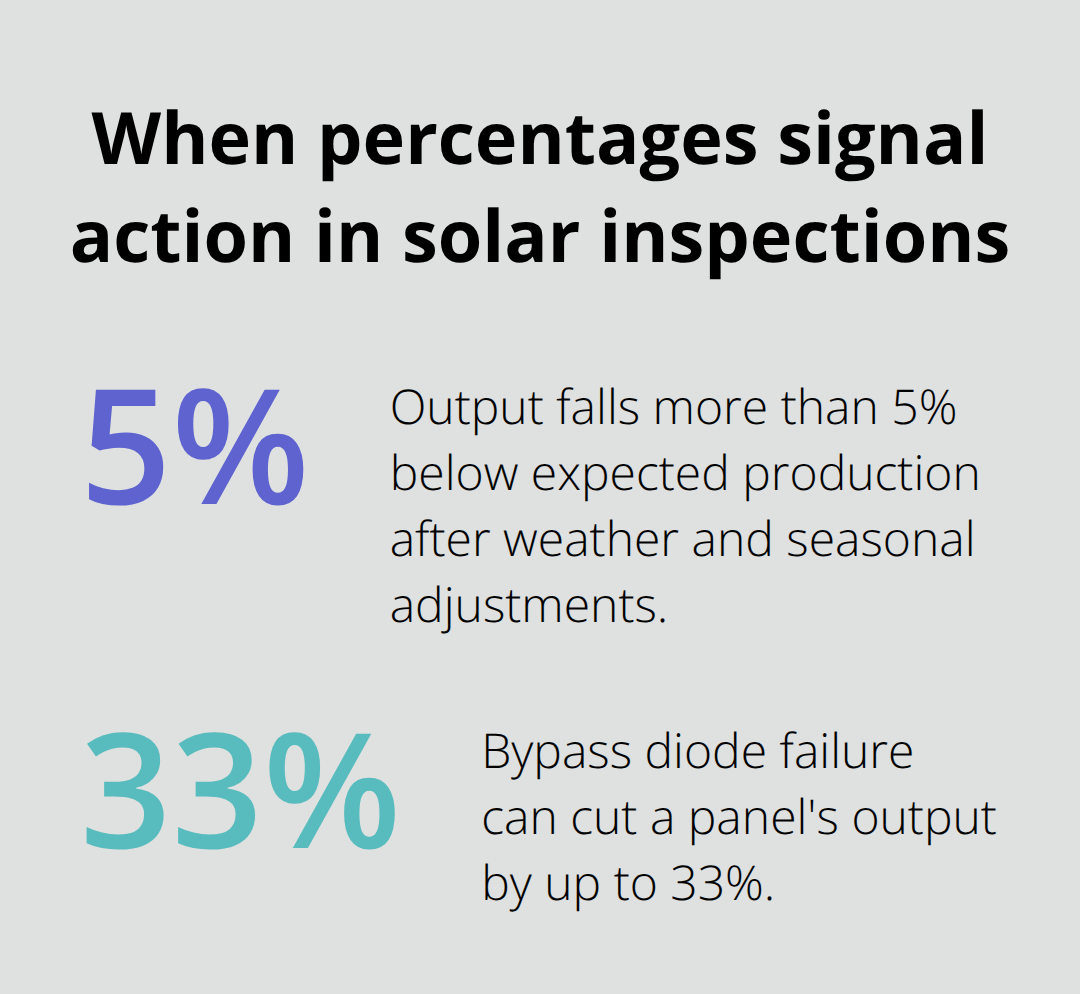
The most common defects include discoloration, delamination, hot spots, cracked panels, and bypass diode failures-with hot spots alone creating fire risk if the backsheet is compromised. Delamination, where internal layers separate due to heat cycling or moisture, rarely allows field repair and demands quick identification. Bypass diode failure cuts a panel’s output by up to 33%, making timely detection the difference between a minor repair and significant energy loss over years.
Inspection frequency protects long-term performance
Solar panels are engineered to perform for 25 to 30 years, but that promise depends on catching performance issues before they cascade into larger failures. Annual visual inspections combined with full electrical inspections every five years, plus immediate re-inspections after extreme weather, create a maintenance rhythm that protects system integrity.
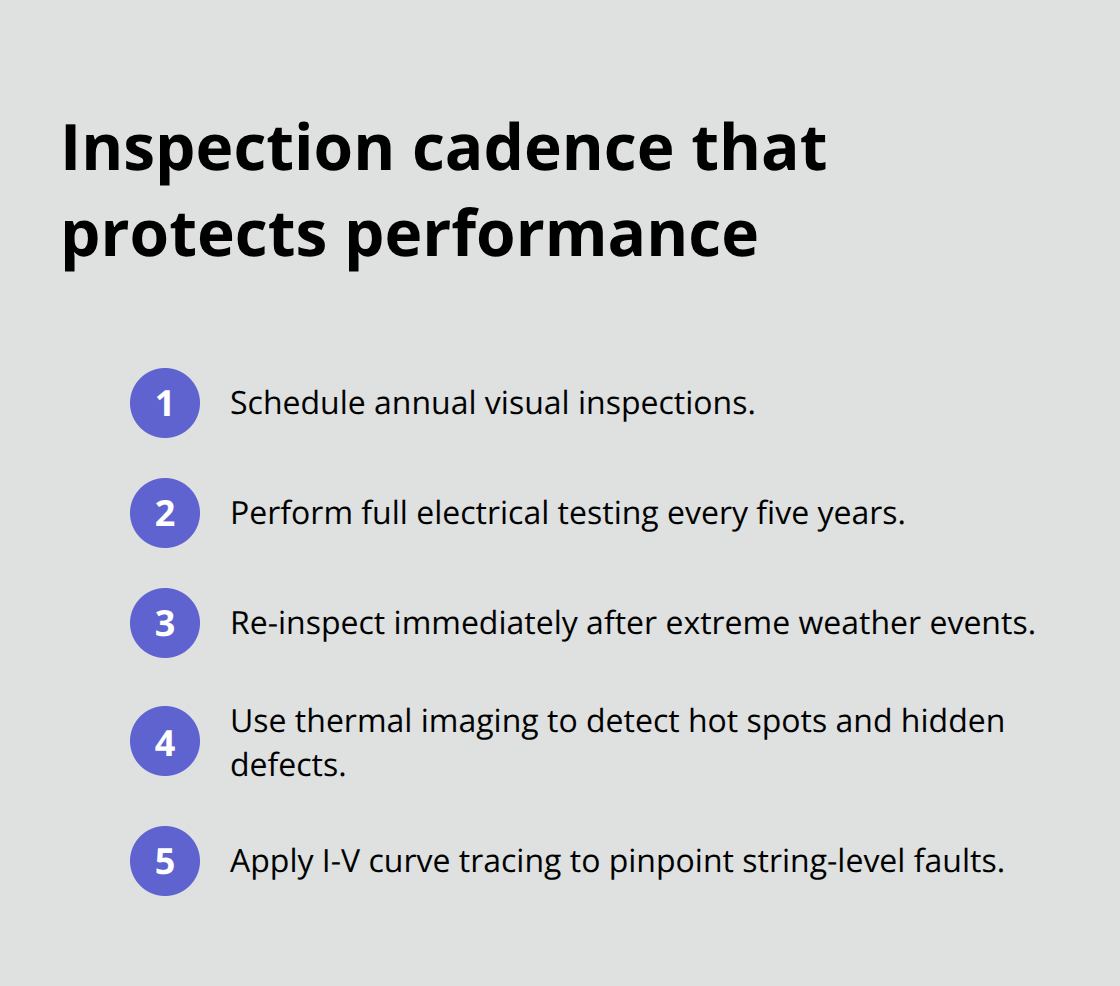
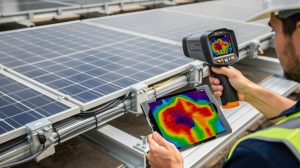
Thermal imaging detects hot spots and energy loss patterns that visual checks miss, while electrical testing using I-V curve tracing reveals string-level faults invisible to the naked eye. This preventive approach turns inspections from a compliance checkbox into a strategic tool that extends your system’s productive life and maximizes the financial returns your installation was designed to deliver.
Advanced detection methods reveal what eyes cannot see
Visual inspections alone miss microcracks, internal delamination, and electrical faults that reduce output without obvious surface signs. Infrared cameras identify hot spots caused by shading, soiling, poor solder connections, or failed bypass diodes-problems that pose both performance and safety risks. Electrical testing (including I-V curve tracing, insulation resistance checks, and ground continuity verification) uncovers faults at the string and module level that simple voltage readings overlook. When you combine these methods with real-time monitoring data, you gain a complete picture of your system’s health and can prioritize repairs based on actual impact to energy production.
Choosing the right inspection partner matters
Professional inspectors bring certified expertise, specialized equipment, and systematic processes that catch problems property owners and facility managers typically miss. The inspection process should include preparation with design plans and historical data, a thorough site survey to assess access and hazards, on-site visual and electrical testing, and a detailed report with prioritized recommendations and cost estimates. At IE Drone Services, we use DJI platforms with high-resolution and infrared cameras to deliver solar inspections that combine rapid detection of hot spots, cell defects, shading, and loose connections with precise, actionable data. This foundation of accurate diagnostics positions you to make informed decisions about repairs and maintenance schedules that protect your investment and maximize performance.
How to Conduct a Solar Panel Inspection That Actually Catches Problems
Prepare Before You Arrive On-Site
Start every inspection with a site survey that documents access points, shading patterns, environmental hazards, and roof structural conditions before you set foot on the array. Gather the system design plans, electrical schematics, installation permits, and at least two years of historical monitoring data so you understand what normal performance looks like for that specific installation. This preparation phase typically takes 2–4 hours depending on system complexity, but skipping it means you’ll miss context clues that explain performance issues. A thorough site survey assesses whether you need lifts, rope access, or alternate routes to reach all sections safely and identifies potential weather delays or equipment constraints that affect your timeline.
Document Physical Conditions Across Multiple Angles
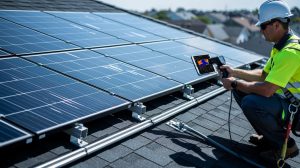
Visual inspections capture physical conditions that signal underlying problems. Scan panel surfaces for cracks, delamination (visible as bubbling or cloudiness), discoloration, rust on mounting hardware, loose connections, bird droppings, and shading from nearby trees or structures. Record the condition of combiner boxes, verify that all wiring matches electrical schematics, check that breaker sizes match conductor sizing, and confirm that disconnects are clearly labeled with voltage and current ratings per NEC requirements. Most inspectors spend 30–45 minutes per kilowatt of installed capacity on the ground, photographing every anomaly with timestamps and GPS coordinates. This systematic approach creates a visual record that supports diagnosis and speeds up repairs when problems emerge.
Test Electrical Performance to Reveal Hidden Faults
Electrical testing reveals faults that visual checks cannot detect. Measure string voltages under load, perform I-V curve tracing on representative modules to identify underperformance, test insulation resistance to identify moisture intrusion or grounding failures, and verify that inverter output matches design specifications and current irradiance levels. If measured output falls more than 5% below expected production after accounting for weather and seasonal factors, that gap signals a problem worth investigating further. These tests uncover string-level and module-level issues that simple voltage readings overlook, giving you the precision needed to prioritize repairs by actual impact.
Use Thermal Imaging to Detect What Eyes Miss
Thermal imaging using infrared cameras detects hot spots, microcracks, and connection failures that remain invisible to standard visual inspection and electrical testing. Hot spots appear as localized temperature increases on the panel surface and indicate shading, soiling, poor solder connections, or failed bypass diodes-all of which reduce output and pose fire risk if the backsheet is compromised. Thermal cameras should have resolution of at least 320×256 pixels and radiometric accuracy of ±2°C to reliably identify problem areas; consumer-grade thermal devices lack the precision needed for professional diagnostics. Conduct thermal imaging during peak irradiance (typically 10 a.m. to 2 p.m.) when temperature differentials are most pronounced, and measure surface temperature differences of 10°C or more between affected and healthy panels as a red flag.
Report Findings in a Format Clients Can Act On
Documentation and reporting demand a standardized process that captures findings in a format clients can act on. Photograph every defect with clear labeling, record measurements and test results in a cloud-based platform, create a prioritized list of issues ranked by severity and impact to production, and deliver a written report within 48 hours that includes before-and-after photos, performance summary, cost estimates for repairs, and specific timelines for corrective action. This structured reporting transforms raw inspection data into actionable intelligence that guides maintenance decisions and protects long-term system performance. The next chapter explores the modern tools and technology that accelerate inspections and improve diagnostic accuracy across all these methods.
Technology That Transforms Solar Inspections
Drone Systems Accelerate Inspections and Improve Safety
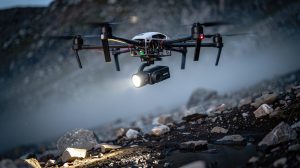
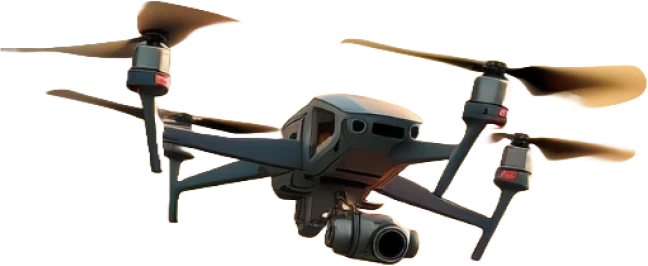
Drone-based inspection systems have fundamentally changed how inspectors assess large solar arrays. Traditional ground-based inspections require scaffolding, lifts, or rope access that consume time and create safety risks, especially on rooftops or ground-mounted systems spanning multiple acres. A DJI Mavic 3 Enterprise equipped with high-resolution RGB and radiometric thermal cameras surveys a 100-kilowatt system in 20–30 minutes, capturing thousands of georeferenced images that would take a ground crew 6–8 hours to document manually.
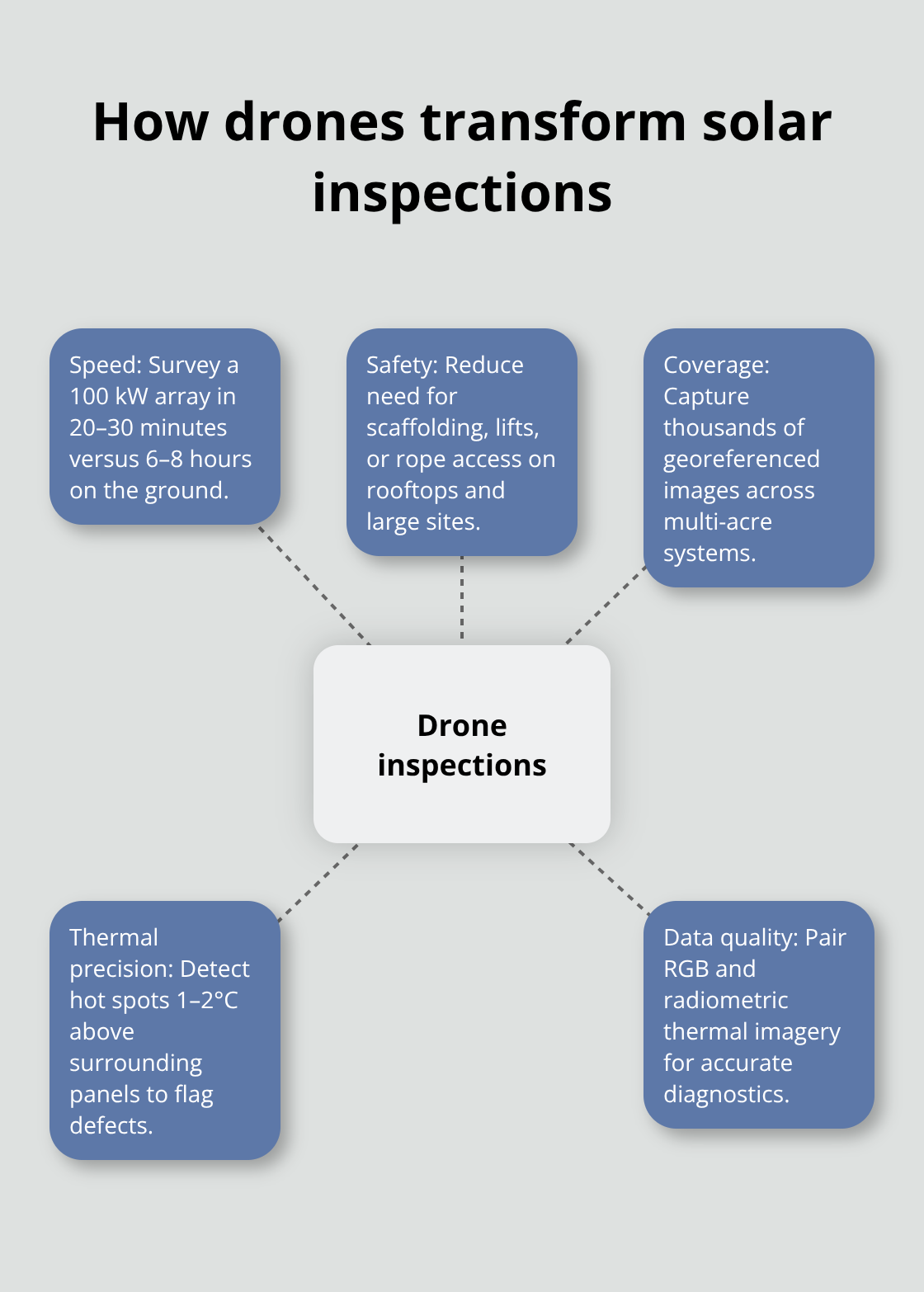
The thermal camera detects hot spots with precision, identifying localized temperature increases as small as 1–2°C above surrounding panels, which signals bypass diode failure, poor solder connections, or shading issues that reduce output.
Thermal Imaging Reveals Temperature Differentials That Correlate With Performance Loss
Thermal imaging during peak irradiance detects temperature differentials that correlate with performance loss. Thermal cameras need resolution of at least 320×256 pixels and radiometric accuracy of ±2°C to reliably identify problem areas; consumer-grade thermal devices lack the precision needed for professional diagnostics. The combination of aerial thermal data and ground-based I-V curve tracing creates a two-tier diagnostic approach that catches both thermal anomalies and electrical faults that either method alone would miss.
Software Platforms Transform Raw Data Into Maintenance Schedules
Software platforms that aggregate inspection data transform raw findings into actionable maintenance schedules. Cloud-based systems consolidate thermal imagery, I-V curve traces, irradiance measurements, and historical monitoring data into a single dashboard where inspectors and facility managers track performance trends across multiple sites. A structured reporting workflow that captures GPS coordinates, timestamps, and equipment serial numbers speeds up diagnosis when issues emerge and simplifies warranty claims. Real-time mobile data capture using tablets or smartphones eliminates manual data entry and reduces reporting delays; inspectors photograph defects with location tags, log measurements directly into the platform, and generate client reports within 48 hours instead of days.
Integration With Monitoring Platforms Enables Predictive Maintenance
Digital signatures and cloud storage maintain compliance documentation for insurance, permitting, and warranty purposes. Integration with inverter monitoring platforms correlates thermal findings with string-level voltage data, pinpointing whether a hot spot reflects a shading issue (which affects output but poses low safety risk) or a failed bypass diode (which demands immediate replacement to prevent backsheet damage and potential fire hazard). The most effective inspection programs combine annual visual checks with full electrical testing every five years, using software to flag systems that warrant earlier re-inspection based on production decline or weather events. This data-driven approach transforms inspections from reactive troubleshooting into predictive maintenance that extends system lifespan and maximizes return on investment.
Final Thoughts
Effective solar panel inspections protect your investment by catching problems before they cascade into costly failures. The systematic approach outlined in this solar panel inspection guide-combining visual documentation, electrical testing, and thermal imaging-transforms inspections from a compliance requirement into a strategic tool that maximizes energy output and extends system lifespan. Equipment-driven underperformance has cost the industry billions in lost energy value, but property owners and facility managers who implement regular inspection schedules sidestep these losses and maintain the performance their systems were designed to deliver.
Professional inspection services improve return on investment by identifying issues early when repairs cost less and impact less. A thermal camera detects hot spots and connection failures that visual checks miss, while I-V curve tracing reveals string-level faults that simple voltage readings overlook. When you combine these diagnostic methods with real-time monitoring data, you gain the precision needed to prioritize repairs by actual impact to production rather than guessing which problems matter most.
If your installation is five years old or older, schedule a comprehensive inspection that includes thermal imaging and electrical testing to establish a baseline of current conditions. If production has declined more than 5% below expected levels after accounting for weather and seasonal factors, that gap warrants immediate investigation. We at IE Drone Services use DJI platforms with high-resolution and infrared cameras to deliver solar inspections that combine rapid detection of hot spots, cell defects, and loose connections with precise, actionable data-contact us to discuss how professional drone-based inspections can protect your solar investment and guide your maintenance decisions for years to come.