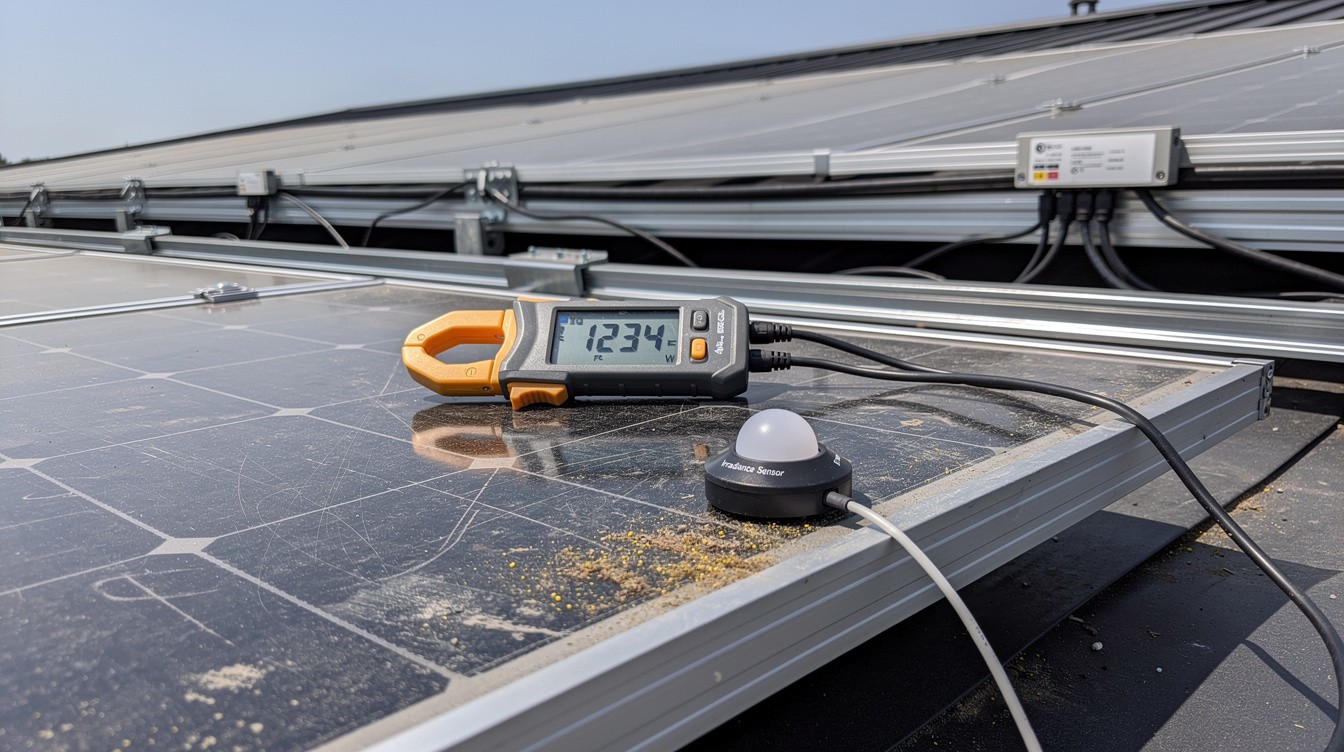
Solar panels lose efficiency every year, and understanding why matters for your investment. Weather, dust, and wear all take their toll on performance over time.
At IE Drone Services, we help property owners assess solar panel roof condition before problems become expensive. The right inspection methods catch issues early and keep your system running at peak output.
How Solar Panel Output Fades Faster Than You Think
Solar panels degrade at roughly 0.5% to 0.8% per year during their first five years, then stabilize at around 0.5% annually afterward, according to industry degradation studies. A system producing 10,000 kWh in year one will generate approximately 9,500 kWh by year five. The problem stems not from a single failure but from multiple stressors working simultaneously. UV radiation breaks down encapsulant materials that protect cells. Temperature swings from freezing nights to scorching days create micro-cracks in silicon. Humidity seeps into panel layers and corrodes electrical connections.
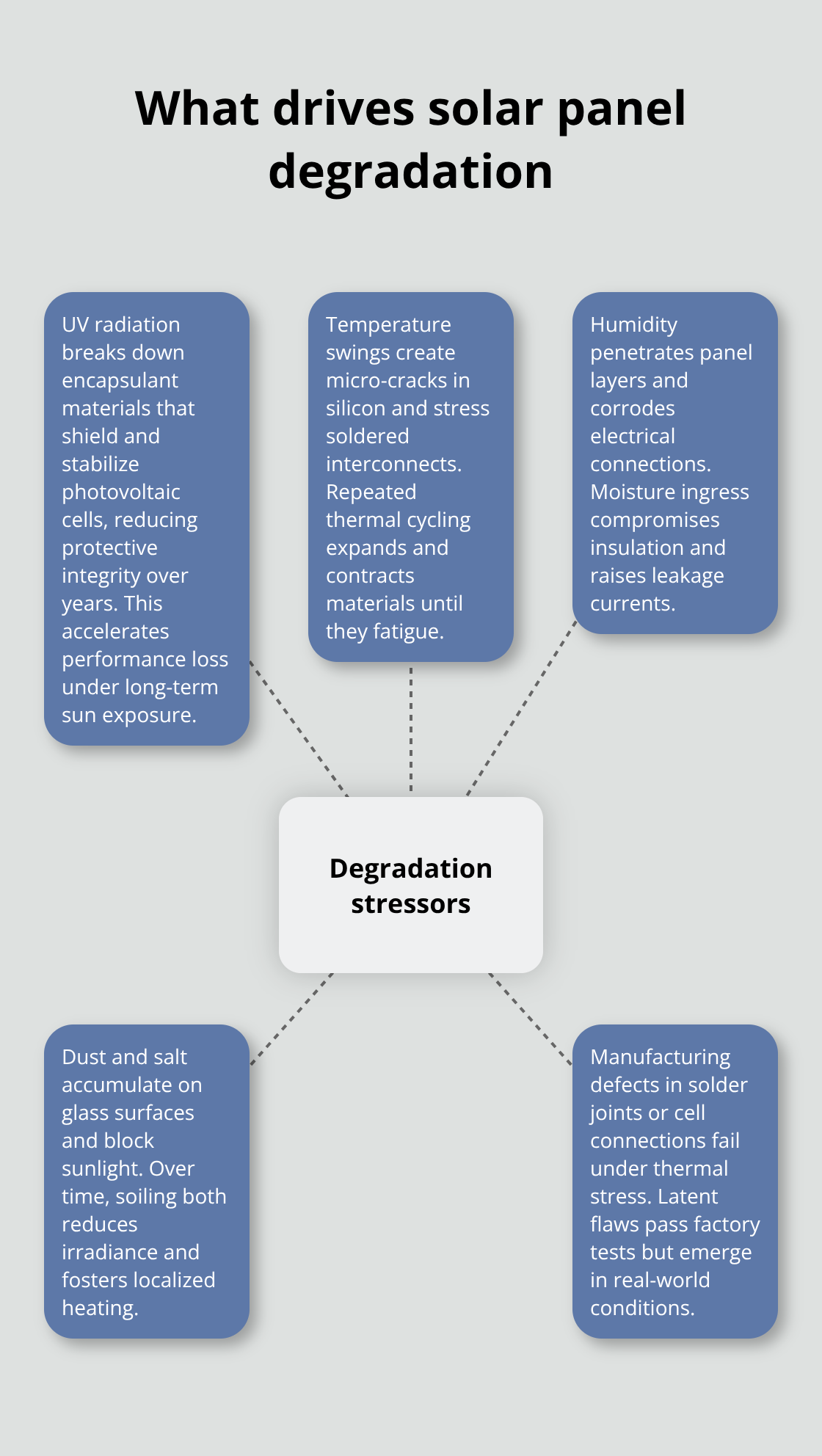
Dust and salt accumulate on surfaces and block sunlight. Manufacturing defects in solder joints or cell connections fail under thermal stress. Each factor alone causes measurable loss, and together they compound the problem.
Environmental stress accelerates panel decline
Weather in coastal and desert regions amplifies degradation rates significantly. Salt spray corrodes metal components and accelerates moisture ingress, while extreme temperature swings in arid climates stress interconnects faster than moderate climates do. Thermal cycling-repeated heating and cooling-causes materials to expand and contract, eventually cracking cells and delaminating layers. A panel in Arizona experiences wider temperature swings than one in temperate zones, which means higher degradation. Potential-Induced Degradation occurs when voltage differences create leakage currents between the panel and ground, worsened by high heat and humidity. Testing under damp heat at 185°F and 85% relative humidity for 2,000 hours reveals PID susceptibility early. Panels rated to resist these conditions maintain better output over time, which is why panel selection matters as much as installation quality.
Soiling reduces output before degradation even matters
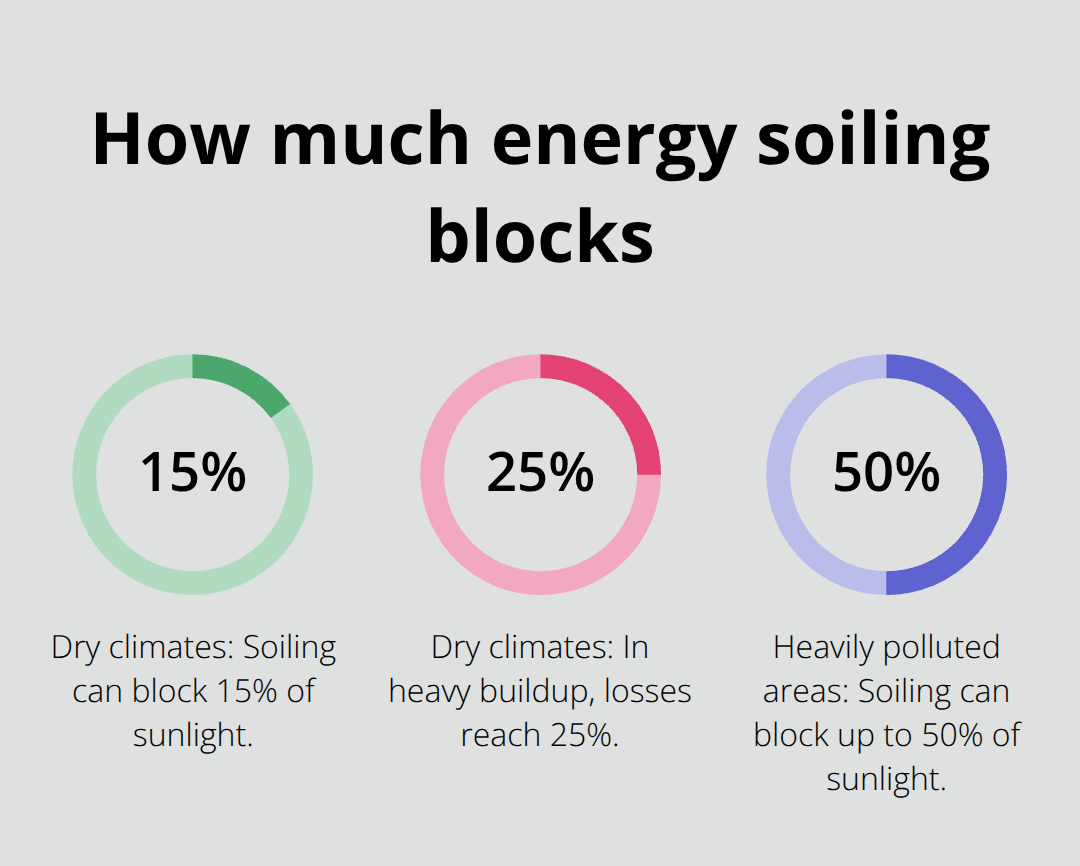
Dust, pollen, bird droppings, and debris block 15% to 25% of sunlight in dry climates and up to 50% in heavily polluted areas, according to solar performance research. Unlike degradation, soiling is reversible-a professional cleaning restores output immediately. Most owners overlook this because output loss happens gradually and looks like normal panel aging.
A system losing 20% output to dust looks identical to one suffering from five years of degradation. The difference is that cleaning costs $150 to $300 and takes a day, while actual panel failure requires replacement. Regular monitoring catches soiling before it masks real problems. Coastal properties need quarterly cleaning; inland properties typically need biannual service. Desert regions benefit from monitoring systems that flag output drops before visible dirt accumulates.
Manufacturing defects fail under real-world conditions
Defective solder joints, micro-cracks in cells, or encapsulant voids pass factory tests but fail within two to five years of field operation. Mechanical stress testing applies 2,400 pascals of static weight plus 1,000 dynamic wind and snow cycles to identify weak points. Thermal cycling alternates temperatures from minus 40°F to 185°F across 600 cycles and stresses interconnects. Panels from Tier 1 manufacturers like Silfab Solar, which emphasize North American production and ISO 9001:2015 certification, tend to have lower defect rates. Independent labs RETC and Kiwa PVEL validate panels through Product Qualification Programs that simulate field stress. A panel certified through these programs carries lower risk of early failure. Cheap panels invite hidden defects that emerge after warranty coverage becomes difficult to enforce, which is why professional assessment of your roof and system condition matters before problems escalate.
Advanced Methods for Assessing Roof and Solar Panel Condition
Thermal imaging reveals hidden panel failures
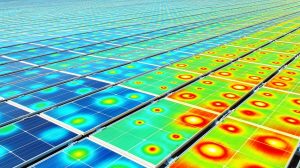
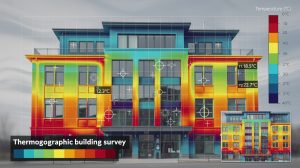
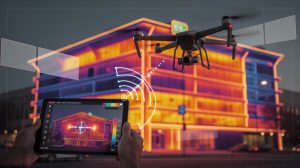
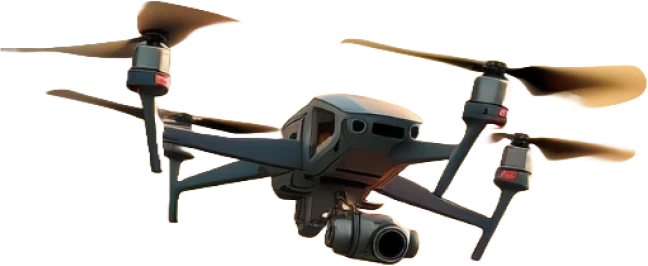
Infrared cameras detect hot spots on panels where defective cells or internal corrosion block current flow, showing temperature differences that correlate directly to power loss. High-resolution infrared cameras mounted on drone platforms scan entire arrays in minutes, capturing thermal data that ground-level inspections miss. This approach identifies underperforming sections before they degrade further and helps prioritize repair or replacement decisions. Drones reach steep or complex roof geometries safely without sending technicians into hazardous situations, and the aerial perspective reveals shading patterns and obstructions that change seasonally.
Visual inspections and structural analysis complete the picture
Visual inspections from the ground catch obvious issues like cracked glass or loose mounting hardware, but they miss internal failures and cannot assess roof structural capacity reliably. A professional inspection combines thermal imaging with detailed visual analysis to document panel condition, roof age, material type, and load-bearing capacity. Asphalt shingles typically handle solar loads well, while tile roofs require specialized mounting to prevent damage during installation. Metal roofs rank highest for durability and weight support, making them ideal candidates for long-term solar viability. Flat roofs need ballasted or mechanically attached systems depending on local codes and roof conditions. The inspection report should specify roof age, remaining lifespan, any current damage, and whether reinforcement is needed before installation proceeds. This documentation protects your investment and supports financing applications.
Performance monitoring systems track real efficiency losses
Performance monitoring systems track output daily and flag anomalies that indicate soiling, equipment failure, or panel degradation. Most modern inverters log voltage, current, and power data; accessing this information reveals whether output decline stems from weather patterns or actual system problems. A 10% drop in a single day suggests soiling or temporary shading, while a gradual decline over months points to degradation or inverter aging.
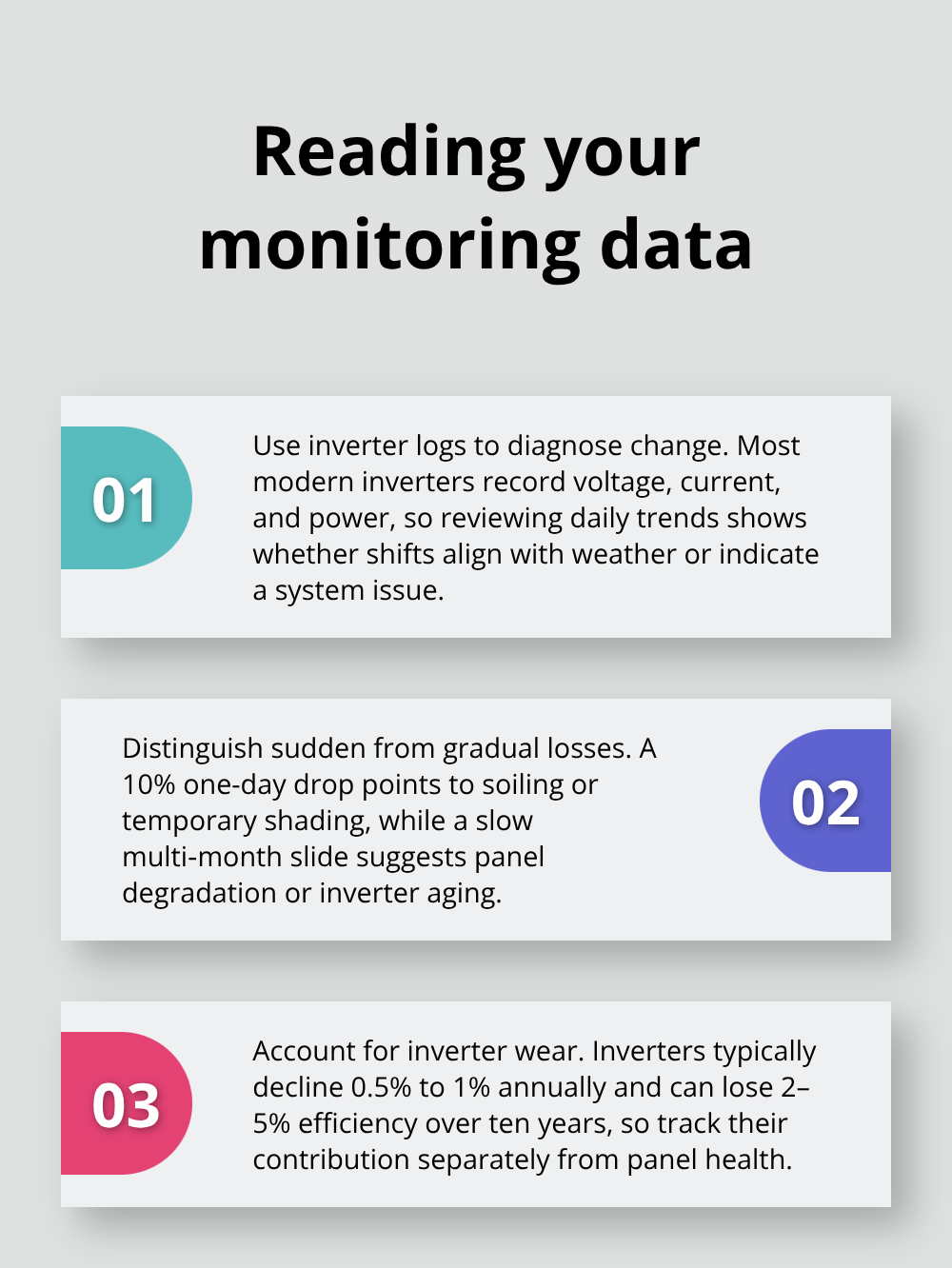
Inverters degrade at 0.5% to 1% annually, and over ten years efficiency loss can reach 2–5% due to component wear. Monitoring catches inverter decline early, preventing abrupt energy losses that damage your return on investment.
Temperature-corrected analysis isolates real problems
Temperature-corrected output analysis removes weather variability and isolates real efficiency losses. If a panel produces 5% less power than its rated capacity after accounting for temperature and irradiance, degradation or defects are present. Comparing your system’s performance against nearby installations or industry benchmarks reveals whether problems are localized to your property or widespread. Professional assessment combines these data points with roof condition findings to create a comprehensive picture of your system’s health and remaining productive life. Thermal imaging and aerial assessment feed directly into performance analysis, giving you actionable data to protect output and extend system lifespan. Understanding what your system actually produces versus what it should produce sets the stage for making informed decisions about maintenance, repairs, or upgrades that maximize your long-term returns.
Maximizing Solar Panel Lifespan and Output
Dirty solar panels can lose up to 30% of their efficiency, but most owners skip cleaning entirely. Coastal properties need quarterly cleaning because salt spray accelerates buildup, while inland locations can stretch to twice yearly unless heavy dust or pollen accumulates. Professional cleaning costs $150 to $300 per visit and restores output immediately, making it far cheaper than replacing degraded panels. Schedule cleaning after dry seasons when dust peaks, and after storms when debris settles.
Monitor output to spot soiling and degradation early
Monitor your inverter’s daily output logs to spot when performance drops faster than weather patterns explain-this signals soiling before visible dirt appears on panels. Temperature-corrected analysis shows whether a 5 percent output loss stems from dust or actual panel degradation. If output dips 10 percent in a single day, soiling is likely the culprit; if decline happens gradually over months, degradation or inverter aging at 0.5 to 1 percent annually is occurring. Inverters degrade faster than panels and typically last 10 to 15 years, so prioritize inverter health alongside panel maintenance to avoid sudden energy losses that tank your return on investment.
Performance monitoring systems flag problems automatically
Performance monitoring systems flag anomalies automatically, eliminating guesswork about whether your system is healthy. Modern inverters log voltage, current, and power continuously; accessing this data reveals whether output decline is temporary or permanent. A system producing 5 percent less than rated capacity after temperature correction indicates real problems requiring professional assessment. Comparing your actual output against nearby installations or industry benchmarks exposes localized issues specific to your property (this comparison works best when systems are similar in size, orientation, and climate zone). Early detection through monitoring prevents small failures from cascading into major repairs that cost thousands and require extended downtime.
Thermal imaging reveals internal failures before they spread
Thermal imaging mounted on drone platforms inspects your entire array safely, capturing heat signatures that reveal internal failures ground-level inspections miss. Infrared cameras detect hot spots on panels where defective cells or internal corrosion block current flow, showing temperature differences that correlate directly to power loss. High-resolution thermal data identifies underperforming sections before they degrade further and helps prioritize repair or replacement decisions. Drones reach steep or complex roof geometries safely without sending technicians into hazardous situations, and the aerial perspective reveals shading patterns and obstructions that change seasonally. Thermal analysis combined with performance data creates a complete picture of your system’s actual health, guiding maintenance decisions that maximize output over the system’s 25 to 30 year lifespan.
Professional assessment documents roof and panel condition
A thorough inspection documents roof age, material type, structural capacity, and panel condition in writing, which supports financing applications and resale value. Asphalt shingles typically handle solar loads well; metal roofs rank highest for durability and weight support; tile and flat roofs require specialized mounting to prevent damage. The inspection report specifies whether your roof has remaining lifespan aligned with your 25 to 30 year solar system, or whether repairs or replacement should precede installation. Certified inspectors identify manufacturing defects that pass factory tests but fail within two to five years of field operation, catching these problems before warranty enforcement becomes difficult. Regular professional assessment every three to five years tracks degradation trends and catches inverter decline before abrupt failures disrupt your energy production and returns (this proactive approach protects your investment far better than reactive repairs after problems emerge).
Final Thoughts
Solar panel roof condition determines whether your system produces reliable energy for 25 to 30 years or fails prematurely. Degradation at 0.5% to 1% annually is inevitable, but soiling, manufacturing defects, and inverter aging accelerate losses when left unmonitored. The difference between a system that pays for itself and one that underperforms comes down to early detection and consistent maintenance.
Professional assessment catches problems before they compound. Thermal imaging reveals internal failures that visual inspections miss, while performance monitoring tracks whether output decline stems from dust or actual degradation. Roof structural analysis confirms your system can safely support solar loads without future complications, and together these methods create a complete picture of your solar investment’s health and remaining productive life.
We at IE Drone Services use FAA-certified drone platforms with high-resolution and infrared cameras to deliver precise solar panel and roof inspections. Our thermal imaging identifies hot spots and internal failures safely from above, while aerial assessment reveals shading patterns and structural issues that ground-level inspections miss. Contact us for a professional drone inspection and receive actionable data to guide your maintenance priorities and protect your long-term returns.