Your home loses heat through gaps you can’t see. Air escapes through cracks in walls, around windows, and where insulation fails-costing you hundreds of dollars each year in wasted energy.
Residential thermal imaging reveals exactly where these problems hide. We at IE Drone Services use infrared cameras to map temperature patterns across your home’s exterior and interior, showing you the invisible heat loss that standard inspections miss.
How Thermal Cameras Map Heat Loss in Your Home
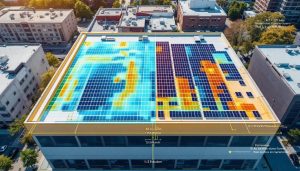
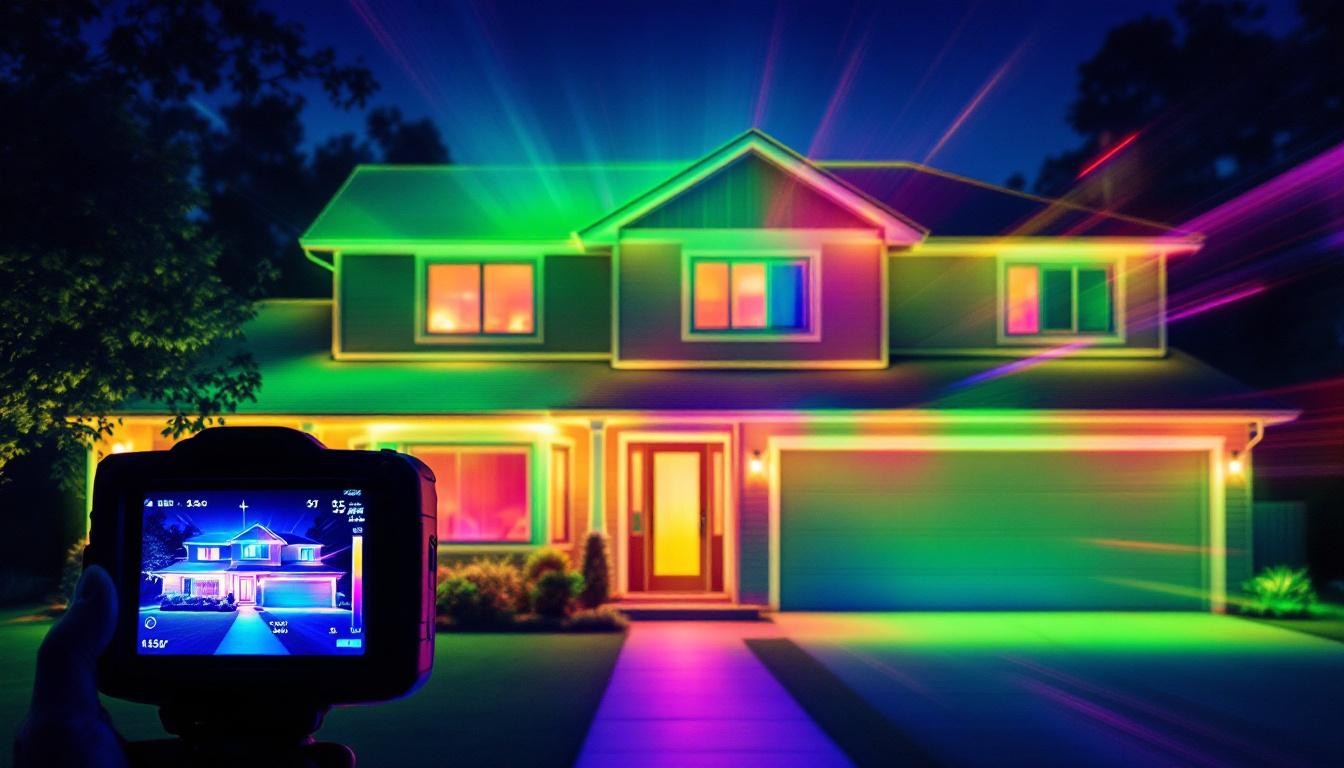
Thermal imaging is a process in which infrared energy is converted into a visible thermal image. Every surface in your home radiates heat, and thermal cameras convert this invisible radiation into visible color-coded images where warmer areas appear red or yellow and cooler areas show as blue or green. A microbolometer sensor inside the camera measures temperature differences across thousands of points simultaneously, creating a detailed thermal map in real time. This approach surpasses standard inspections because it reveals temperature variations that remain completely hidden to the naked eye. Professional thermal inspections document heat escape with precision that holds up for insurance claims and contractor estimates.
Temperature Differences Tell the Real Story
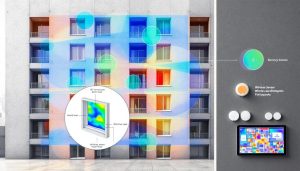
The key to reading thermal images is understanding what temperature variations actually mean in context. A cold spot on an exterior wall during winter indicates missing or compressed insulation, while wet insulation conducts heat faster and shows as an anomalous temperature pattern that signals moisture intrusion. Electrical hotspots appear as bright red areas on panel components or wiring-a fire hazard that demands immediate attention from a licensed electrician. Air leaks around windows, doors, and attic hatches create distinctive streaks of cold air infiltration visible as blue or purple lines running through otherwise consistent thermal patterns. The accuracy of readings depends on emissivity and distance, which is why professional technicians adjust camera settings based on surface materials and maintain proper distance from targets. Interior scans are typically more reliable than exterior scans because reduced air movement inside walls improves detection of heat loss patterns.
Market Growth Reflects Real Results
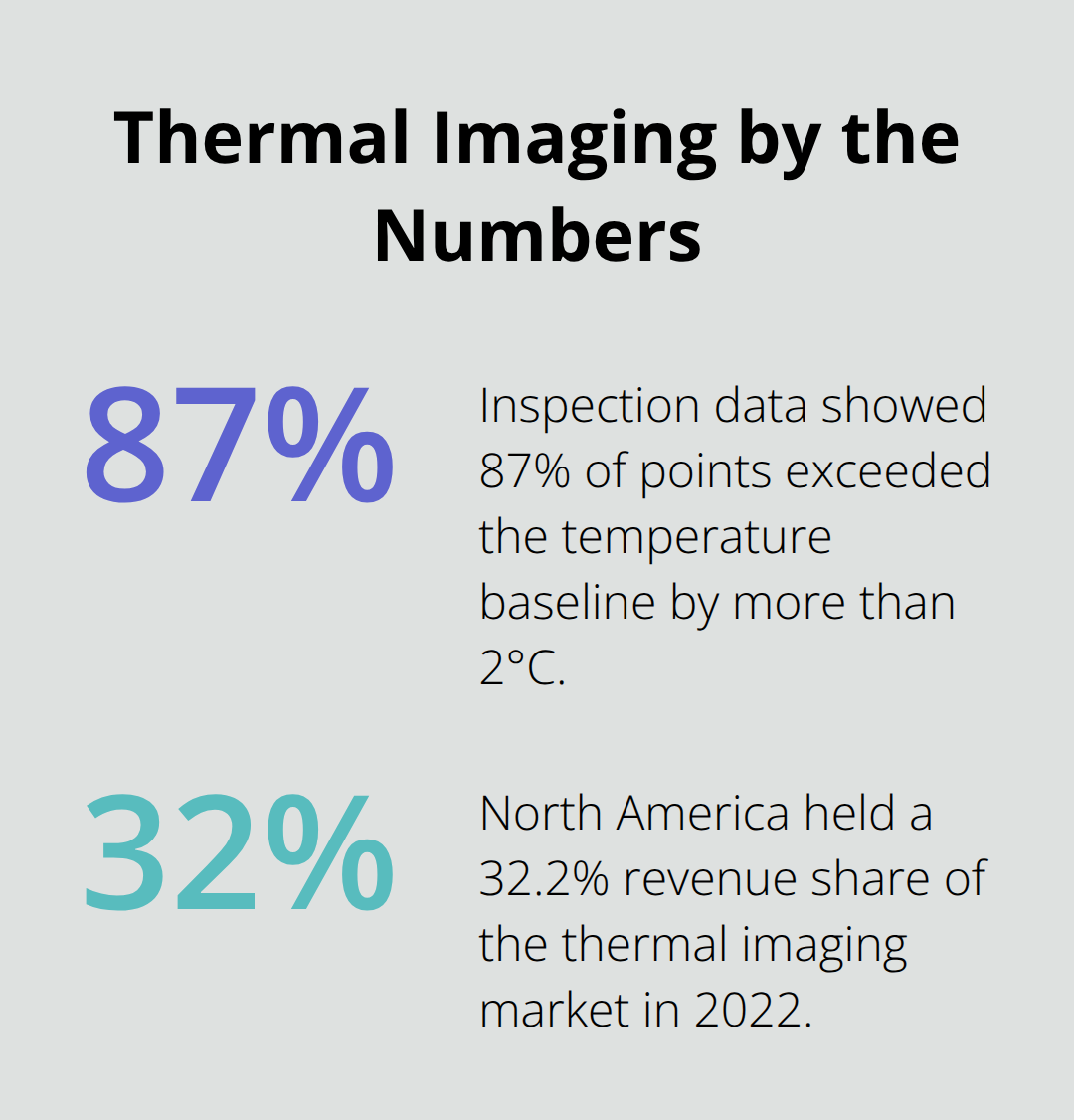
The global thermal imaging market reached 4.63 billion dollars in 2023 and is projected to hit 7.59 billion by 2030, reflecting growing recognition that this technology delivers measurable results. This expansion shows that homeowners and professionals increasingly trust thermal imaging to identify energy problems that other methods miss. The residential segment continues to grow due to lower equipment costs and wider availability of affordable cameras for homeowners. North America accounted for the largest revenue share in 2022 at 32.2%, indicating strong adoption of home thermal imaging across the region.
What the Data Actually Shows You
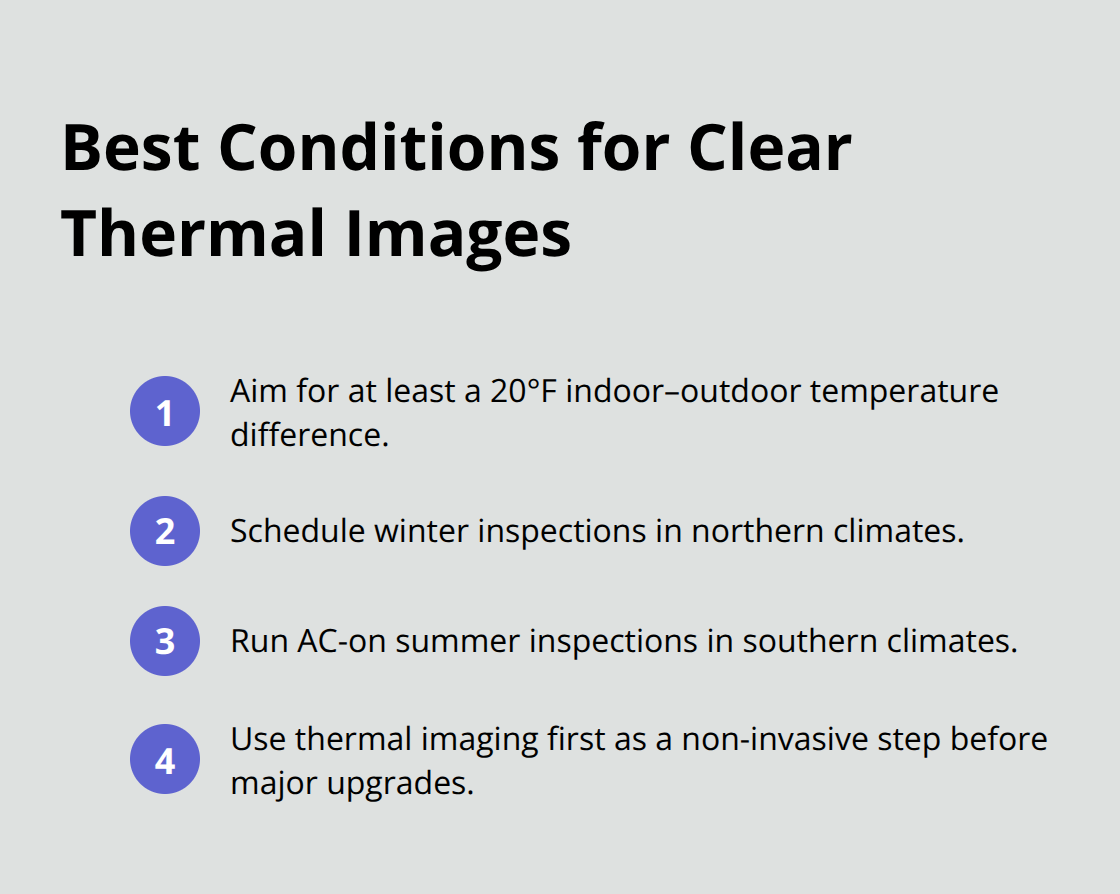
Thermal images provide actionable intelligence for your home’s energy performance. A 20-degree Fahrenheit temperature difference between indoors and outdoors creates optimal conditions for detecting insulation gaps and air leaks-winter inspections in northern climates and summer AC-on inspections in southern climates produce the clearest results. Moisture detection requires higher-performance cameras because thermography alone cannot definitively confirm water intrusion without supplementary moisture meter tests; professional assessment combines thermal imaging with physical verification. Electrical components under normal load operate at expected temperatures, but abnormally hot connections signal dangerous faults that could lead to fires or equipment failure. The process is completely non-invasive (no drilling, no wall removal, no structural damage), so you receive a precise visual map of where your home loses energy without disruption or expense.
From Images to Action
Thermal images serve as documentation that guides contractors to specific problem areas, reducing guesswork and improving repair efficiency. The visual record allows you to prioritize which problems to address first based on severity and cost-benefit analysis. Professional technicians interpret these images on larger displays to avoid misreading subtle temperature variations, ensuring that recommendations reflect genuine issues rather than random thermal anomalies. This level of accuracy transforms thermal imaging from a curiosity into a practical tool that drives real improvements to your home’s efficiency and comfort. Once you understand what your thermal images reveal, the next step is knowing which problems demand immediate action and which improvements deliver the fastest return on investment.
What Problems Does Thermal Imaging Actually Detect in Homes
Air Leaks and Insulation Gaps
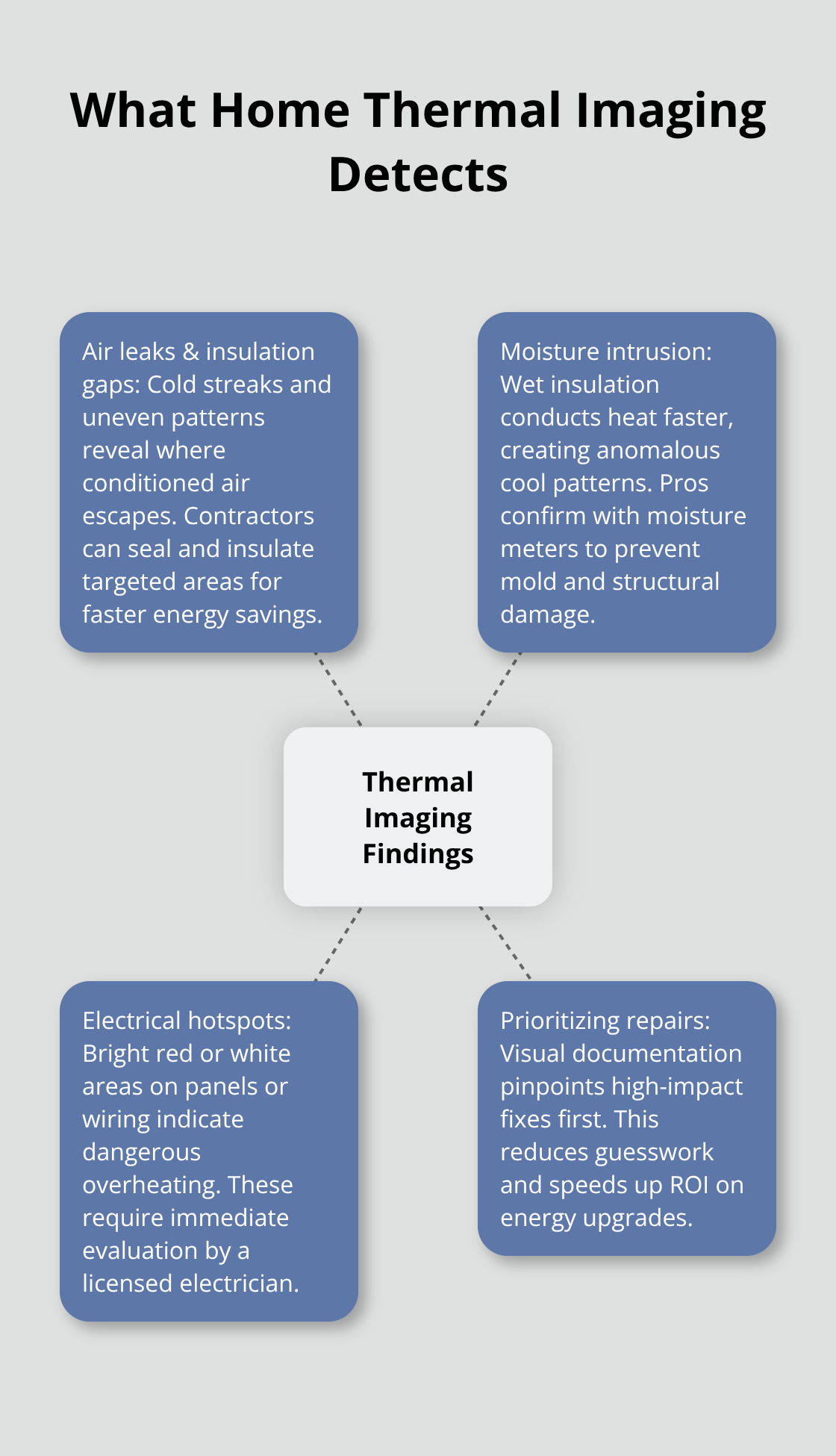
Thermal imaging reveals air leaks and insulation gaps that drain your home’s efficiency. Energy auditors may use thermography-or infrared scanning-to detect thermal defects and air leakage in building envelopes. The visual documentation allows contractors to target exactly where to seal or add insulation rather than guessing at problem areas. This precision transforms energy upgrades from broad, expensive projects into focused improvements that deliver faster returns on your investment.
Moisture Intrusion and Water Damage
Moisture intrusion shows as anomalous temperature variations because wet insulation conducts heat faster than dry insulation. Distinctive cold spots on walls, ceilings, or roofs signal water damage before visible mold or rot develops, giving you a critical window to act before structural damage occurs. Thermal imaging combined with supplementary moisture meter verification prevents expensive mold remediation by catching leaks when they remain small and treatable. Early detection through thermal imaging protects your home’s structural integrity and your family’s health without requiring invasive wall removal or demolition.
Electrical Hotspots and Fire Hazards
Electrical hotspots appear as bright red or white areas on circuit panels, wiring connections, or outlets, indicating dangerous overheating that demands immediate attention from a licensed electrician. Thermal cameras detect anomalies in real-time, safeguarding homes from electrical fires and ensuring proactive safety measures. Thermal imaging gives you concrete documentation to present to an electrician, eliminating uncertainty about whether a connection truly poses a risk and enabling faster scheduling of repairs that protect your home and family.
Prioritizing Repairs With Thermal Data
The practical value of thermal imaging lies in the precision it provides for prioritizing repairs and improvements. A homeowner who discovers insulation gaps in exterior walls can focus sealing and insulation upgrades on the areas where they’ll recover the most energy and reduce heating and cooling costs fastest. Electrical hotspots identified during a thermal inspection eliminate guesswork about which connections demand immediate repair. The non-invasive nature of thermal imaging means you obtain this actionable intelligence without disruption, drilling, or structural damage, making it a practical first step before committing to expensive energy upgrades or electrical work.
Understanding what thermal imaging reveals about your home’s problems is only half the equation-the real value emerges when you know which issues pose the greatest risk and which improvements deliver the fastest payback.
Why Thermal Imaging Saves Money and Prevents Disasters
Thermal imaging cuts energy waste by identifying exactly where your home hemorrhages heat, and this precision translates directly into lower utility bills. A homeowner who discovers that 87% of points exceeded the temperature baseline by more than 2°C can target insulation improvements to those areas first, recovering the inspection cost within one or two heating seasons rather than spreading upgrades across the entire home. The residential segment of the thermal imaging market grew specifically because homeowners saw measurable returns on energy investments guided by thermal data. When homeowners understand which air leaks and insulation gaps drive their energy costs, they stop guessing and start acting on problems that actually matter.
Energy Savings Require Knowing Where Heat Escapes
A 20-degree Fahrenheit temperature difference between indoors and outdoors creates the ideal window for detecting insulation failures and air infiltration that your heating and cooling system fights constantly. Winter inspections in northern climates and summer AC-on inspections in southern climates produce the sharpest thermal images, showing heat loss as unmistakable temperature variations that contractors can address immediately. The non-invasive process means you obtain this intelligence without tearing into walls or disrupting your home, making thermal imaging the logical first step before spending thousands on energy upgrades.
Homeowners who skip thermal imaging often waste money upgrading the wrong areas or installing insulation in spaces that already perform adequately, while the genuine problem areas remain unaddressed.
Catching Problems Before They Cost Thousands
Water damage hidden inside walls and attic spaces accelerates structural deterioration and mold growth long before visible signs appear, but thermal imaging detects moisture intrusion through temperature anomalies that reveal wet insulation conducting heat differently than dry insulation. A small roof leak caught through thermal imaging costs hundreds to repair, while the same leak left undetected for a year can require complete roof replacement costing tens of thousands of dollars. Electrical hotspots identified early allow you to schedule repairs with a licensed electrician on your timeline rather than facing an emergency call after an electrical fire damages your home. The documentation from a professional thermal inspection strengthens insurance claims for water damage, providing visual evidence that contractors and adjusters accept without question, accelerating claim processing and repairs.
Safety and Comfort Align With Efficiency
Electrical connections that overheat pose genuine fire risks, and thermal imaging detects these hazards before they cause fires that destroy homes and endanger families. Uneven heating and cooling driven by air leaks and insulation gaps create uncomfortable rooms that no thermostat adjustment solves, but thermal imaging reveals the root causes so HVAC improvements target actual problems. The combination of lower energy bills, prevented disasters, and improved comfort means thermal imaging delivers practical value across multiple dimensions of home ownership rather than addressing a single concern. A professional thermal inspection provides the precise data needed to prioritize which problems demand immediate action and which improvements deliver the fastest return, transforming thermal imaging from a curiosity into the foundation of a smart home maintenance and energy strategy.
Final Thoughts
Residential thermal imaging reveals problems that standard inspections miss, giving you precise data to prioritize repairs and improvements based on actual risk rather than guesswork. A temperature difference of at least 20 degrees Fahrenheit between indoors and outdoors produces the clearest thermal images, so winter inspections work best in northern climates while summer AC-on inspections suit southern regions. Professional technicians adjust camera settings for surface materials, maintain proper distance from targets, and interpret images on larger displays to avoid misreading subtle variations that could lead to false conclusions.
The documentation from a certified inspection holds up for insurance claims and contractor estimates, providing visual evidence that accelerates claim processing and repair planning. Lower energy bills follow when you seal the air leaks and insulation gaps that thermal imaging identifies, while early detection of moisture intrusion and electrical hotspots prevents disasters that cost thousands to repair. The non-invasive process means you obtain actionable intelligence without disruption or structural damage, making residential thermal imaging the logical foundation for any home maintenance or energy efficiency strategy.
We at IE Drone Services use high-resolution infrared cameras to deliver precise thermal building and roof inspections that identify energy leaks and structural problems with speed and accuracy. Our heat-sensing technology provides the actionable data you need to make informed decisions about which improvements deliver the fastest return on investment. Contact IE Drone Services to schedule your professional thermal inspection and take the first step toward a more efficient, safer, and more comfortable home.