Energy waste costs U.S. commercial buildings an estimated $36 billion annually, according to the Department of Energy. Most property owners don’t realize how much money leaks away through walls, roofs, and poor insulation until it’s too late.
Building energy loss detection reveals exactly where your property is hemorrhaging energy and money. We at IE Drone Services use thermal imaging to identify these hidden problems with precision that ground-level inspections simply cannot match.
Where Energy Actually Escapes From Your Building
Air Leaks and the Building Envelope
Buildings hemorrhage energy through predictable pathways, and the financial toll is staggering. According to the Department of Energy, about 40% of U.S. energy consumption occurs in homes and commercial buildings, with the average household spending roughly $2,000 annually on energy-and losing $200 to $400 of that through drafts and outdated systems alone.
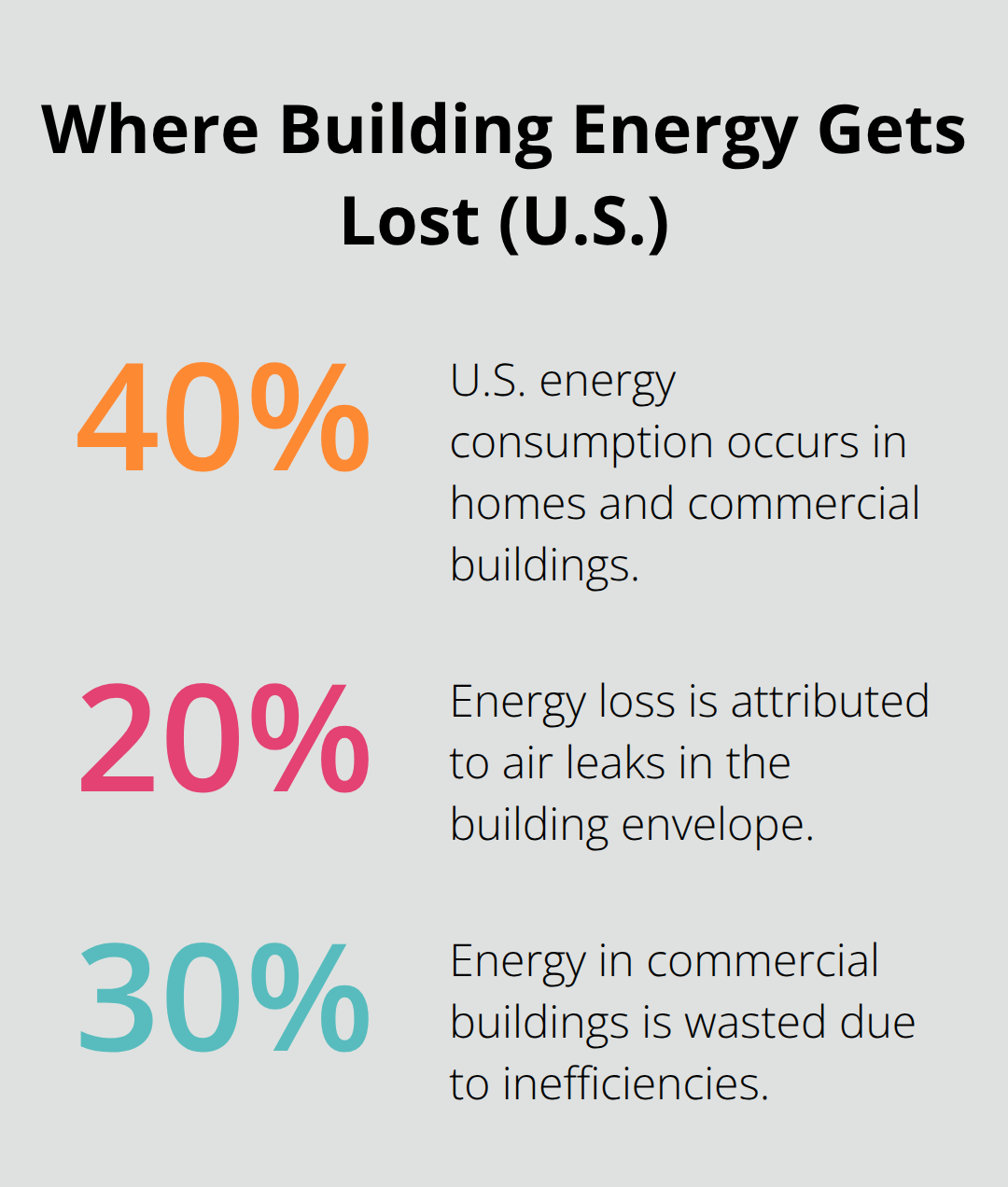
Air leaks account for about 20% of energy loss, making the building envelope the primary culprit in most cases. For commercial properties, the numbers prove even more severe: approximately 30% of energy in commercial buildings gets wasted due to inefficiencies, which translates directly into higher operating costs that eat into profit margins.
The HVAC and Insulation Problem
Heating and cooling consume about 43% of a home’s utility bill, yet many property owners fail to address the root causes of waste. Poor insulation in the attic, gaps around windows and doors, and damaged roof membranes force HVAC systems to work 20% to 50% harder than necessary. Leaky ducts waste heated air before it reaches registers, according to DOE guidance. These failures compound over time, creating a cycle where summer cooling losses match winter heating losses, and your equipment runs continuously without delivering comfort.
Financial Impact of Ignored Energy Waste
A 10% reduction in energy use can increase net operating income by roughly 1.5%, according to ENERGY STAR data, which means fixing these problems isn’t just about comfort-it’s about competitive advantage and financial survival. Commercial buildings face additional pressure: energy inefficiency reduces tenant appeal, triggers higher vacancy rates, and creates vulnerability to stricter building codes that now mandate airtightness testing under standards like ASHRAE 90.1 and the International Energy Conservation Code. Properties that ignore energy waste also risk structural damage (moisture intrusion linked to air leaks causes condensation, mold, and rot that degrade insulation and shorten material lifespan), creating accelerating costs that far exceed the initial repair investment.
Environmental and Regulatory Consequences
Buildings account for roughly one-third of global carbon dioxide emissions, and energy-inefficient properties contribute disproportionately to this burden. Regulatory pressure continues to tighten, with codes increasingly requiring proof of airtightness and energy performance. Properties that fail to address energy waste today face compliance challenges tomorrow, along with higher insurance costs and reduced market value. The combination of financial loss, structural risk, and environmental impact makes energy-leak detection not optional but essential for any property owner serious about long-term viability.
Identifying where your building loses energy requires more than visual inspection-it demands precision tools that reveal hidden losses behind walls, within roof assemblies, and across large surface areas that ground-level assessments miss entirely. Thermal images show where heat escapes, while blower door testing quantifies air leakage and pinpoints problem areas with scientific accuracy.
How Thermal Imaging Reveals Hidden Energy Waste
Detecting Temperature Differences with Precision
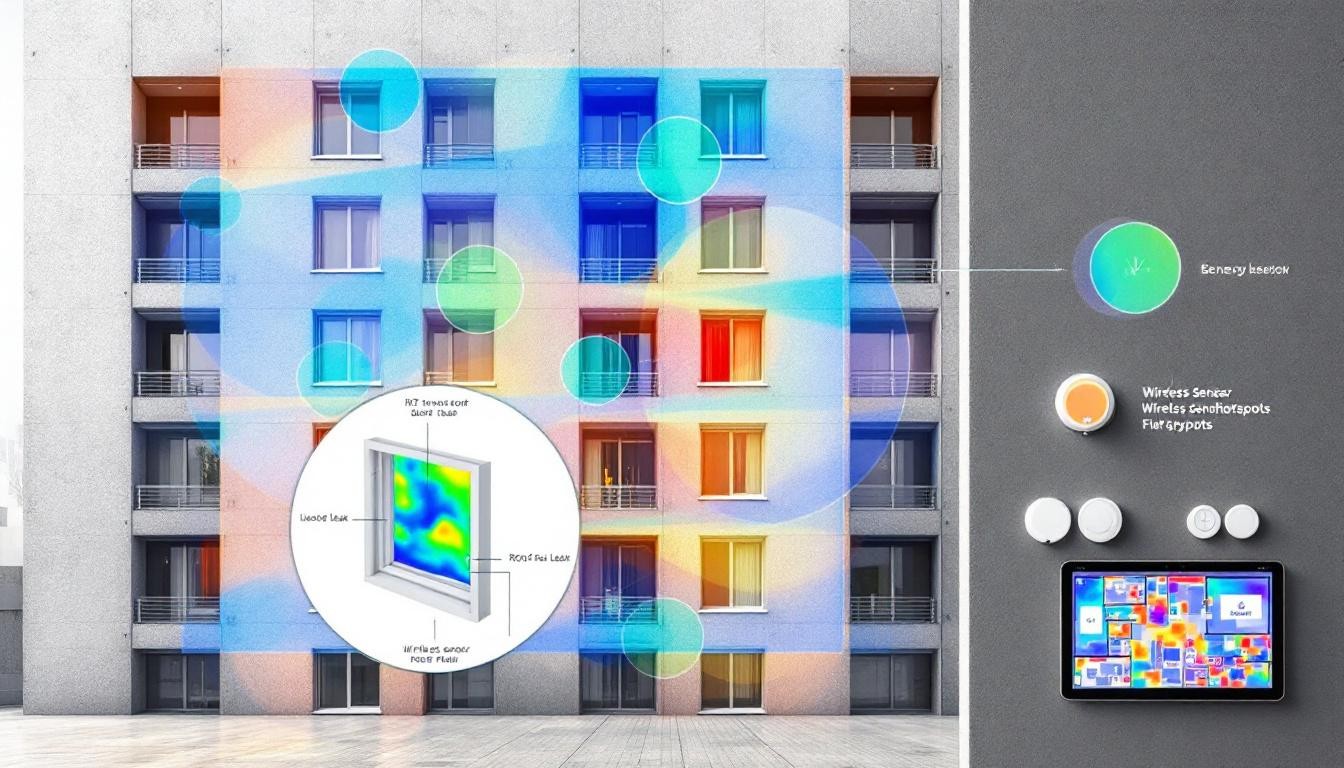
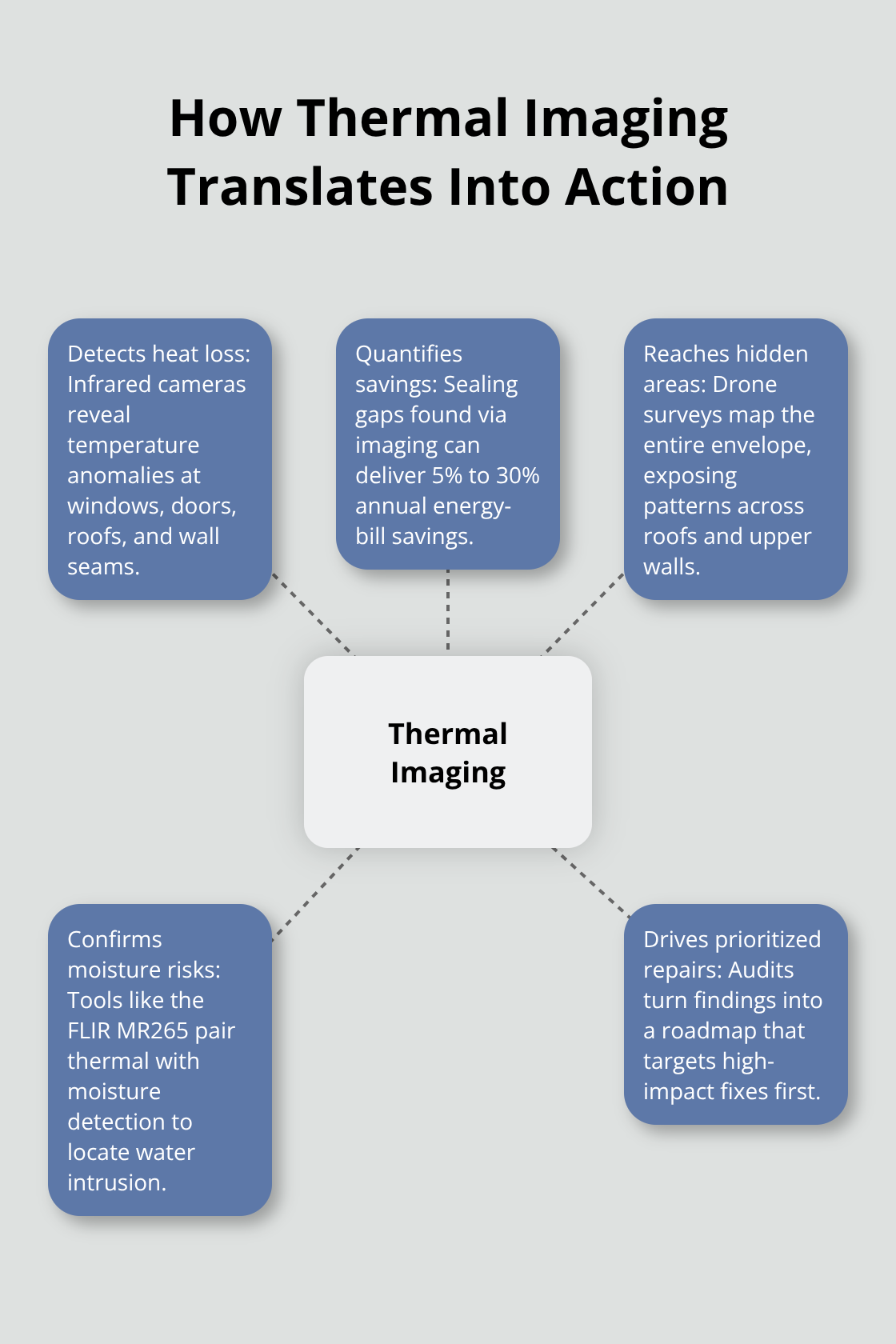
Infrared cameras detect temperature differences across building surfaces with accuracy that visual inspection cannot match. When a 20°F temperature difference exists between indoors and outdoors-a common winter scenario-thermal imaging exposes cold spots at windows, doors, roof penetrations, and wall seams where heat escapes. Sealing gaps identified through thermal imaging can achieve 5% to 30% annual savings on energy bills in homes and buildings. A typical 6°C indoor-outdoor temperature delta makes poor insulation and air leaks stand out clearly in thermal photos, revealing exactly where HVAC systems lose conditioned air.
Identifying Moisture and Structural Threats
Moisture intrusion appears as cold or damp spots on thermal images, which matters because water damage degrades insulation performance and accelerates structural deterioration. The FLIR MR265 combines thermal imaging with pinless moisture detection for comprehensive diagnostics, allowing auditors to confirm both heat loss and water presence in a single inspection. Bathrooms, kitchens, basements, and exterior walls concentrate moisture problems that compound energy losses, so thermal imaging should focus on these high-risk zones first.
Spotting Common Problem Areas
Weather stripping around windows and doors consistently shows as a top energy-loss source in thermal data, since window and door seals degrade over time and create large air gaps that force heating and cooling systems to work harder. These visible problem areas in thermal images guide repair priorities and help property owners allocate budgets where they deliver the fastest payback.
Why Ground-Level Inspections Fall Short
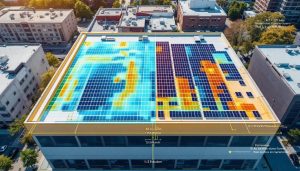
Ground-level thermal inspections miss critical problem areas because inspectors cannot access roof assemblies, upper-wall cavities, and large surface areas where significant heat loss occurs. Aerial thermal inspection from drones captures the entire building envelope in a single survey, identifying heat loss patterns across roof surfaces, wall junctions, and perimeter details that ground teams would need days to assess manually. This comprehensive view reveals problems that inspectors on the ground simply cannot reach, making aerial assessment far more efficient for large or complex properties.
Turning Thermal Data into Action
A professional energy audit using thermal data delivers a prioritized upgrade roadmap focused on sealing leaks, improving insulation, and replacing inefficient systems. Homeowners and commercial property owners qualify for energy rebates and tax credits after completing recommended upgrades. The audit process takes two to four hours depending on property size, yet the insights drive decisions that reduce energy consumption significantly. This return on investment justifies the inspection cost when compared to the ongoing waste from undetected leaks-but only if you act on the findings with a clear repair strategy and timeline.
Actionable Steps to Fix Energy Leaks and Improve Efficiency
Prioritize Repairs Based on Thermal Inspection Findings
Thermal imaging reveals where energy leaks happen, but the real value comes from acting on those findings with a clear repair strategy that targets high-impact problems first. The Department of Energy recommends starting with air sealing around windows, doors, and roof penetrations because these repairs deliver quick returns on investment, often one year or less. Weather stripping and caulking around window and door frames rank as the fastest payback repairs-most properties recover the investment within months, especially in climates with significant temperature swings. After sealing air leaks, insulation upgrades in attics and crawl spaces compound the savings because a tight envelope paired with proper insulation prevents conditioned air from escaping.
For commercial properties, duct sealing deserves immediate attention since leaky ducts waste up to 60% of heated or cooled air before it reaches occupied spaces. Prioritize repairs based on the problem areas your thermal inspection identified as worst offenders-if the roof shows significant heat loss across a large surface area, that becomes priority one; if windows are the primary culprit, start there instead.
Cost-Effective Solutions for Common Problem Areas
Cost-effective solutions follow a logical sequence based on your thermal data and budget. Air sealing costs between $300 and $1,500 for most homes, while adding attic insulation runs $1,500 to $3,000 depending on square footage and existing conditions. Programmable thermostats save up to 10% annually on heating and cooling costs with a one-time investment under $300, making them an excellent complement to envelope improvements.
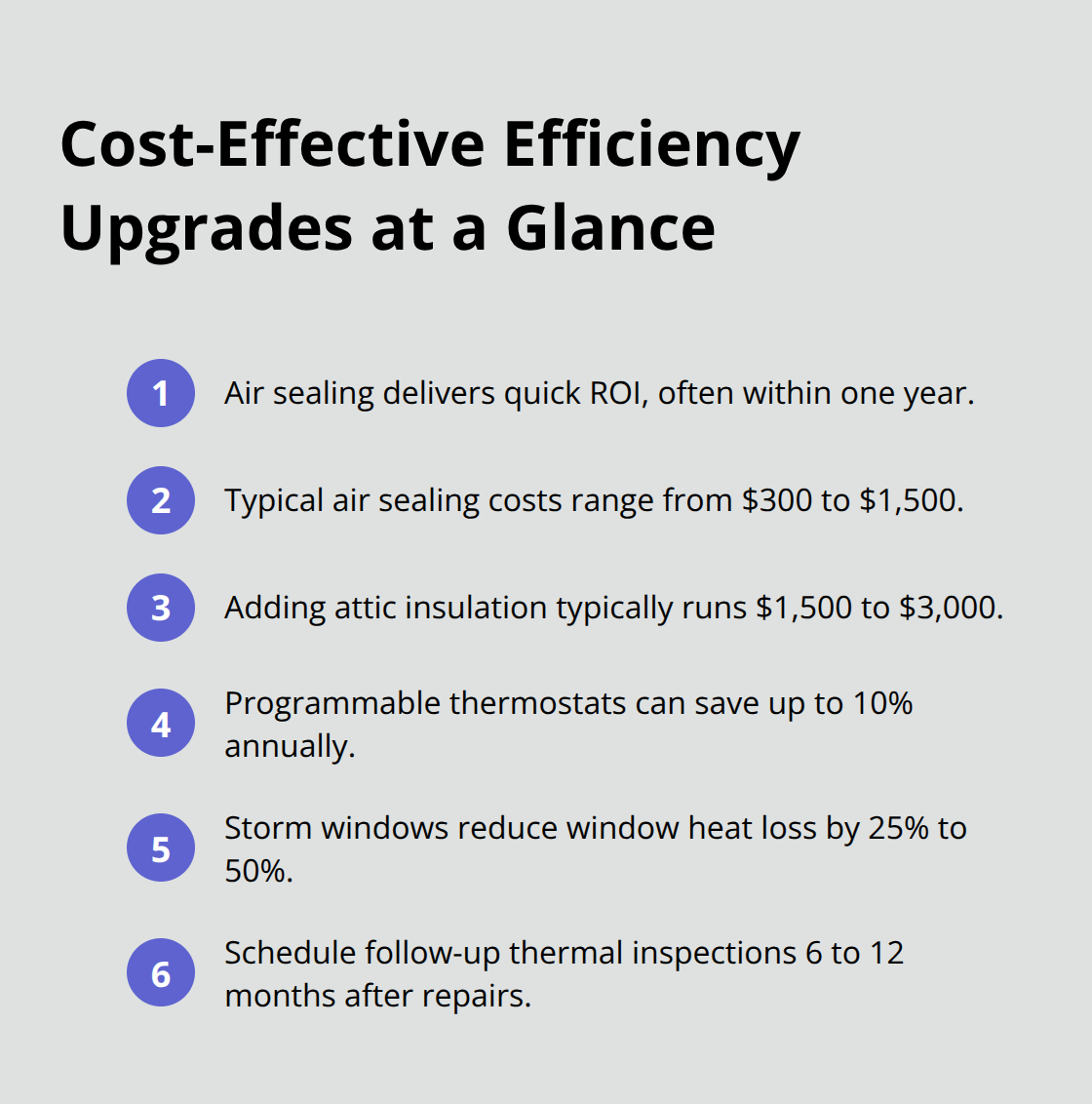
ENERGY STAR windows and doors reduce heat loss significantly, but since replacements cost $5,000 to $15,000, many property owners delay this upgrade until other repairs are complete. Storm windows offer a practical interim solution, reducing heat loss through existing windows by 25% to 50% at a fraction of replacement cost.
Measuring ROI After Implementation
After implementing repairs, measure ROI by comparing energy bills month-to-month and year-over-year against the same period before improvements-a 10% reduction in energy consumption translates to roughly 1.5% higher net operating income for commercial properties, according to ENERGY STAR data. Document all improvements and utility savings because many jurisdictions offer tax credits and rebates for energy-efficiency upgrades, which accelerates payback timelines.
Follow-up thermal inspections conducted six to twelve months after repairs verify that improvements delivered the expected results and identify any remaining problem areas worth addressing in the next phase of upgrades. This verification step confirms your investment paid off and guides future efficiency decisions.
Final Thoughts
Building energy loss detection transforms how property owners understand and control their operating costs. Thermal imaging reveals hidden waste that visual inspections miss entirely, pinpointing exactly where heat escapes through your roof, walls, and building envelope. The data shows the impact clearly: sealing air leaks delivers 5% to 30% annual savings, while a 10% reduction in energy consumption increases net operating income by roughly 1.5% for commercial properties.
Properties that address energy waste early avoid the compounding costs of structural damage from moisture intrusion, reduce their carbon footprint, and position themselves ahead of tightening building codes that now mandate airtightness testing. Commercial properties gain competitive advantage through lower operating costs and improved tenant appeal, while residential owners enjoy greater comfort and stability in indoor temperatures year-round. Follow-up thermal inspections conducted months after repairs verify that improvements delivered expected results and guide the next phase of upgrades.
We at IE Drone Services use FAA-certified drones equipped with high-resolution and infrared cameras to deliver precise thermal inspections that capture your entire property envelope in a single survey. Our thermal building and roof inspections provide the actionable data you need to prioritize repairs, allocate budgets effectively, and measure ROI with confidence. Contact us today to schedule your property’s thermal inspection and stop losing money to undetected energy waste.