Commercial rooftop solar systems are a smart investment for building owners, but only when they perform at their peak. Many facilities lose thousands in revenue each year due to undetected panel defects and electrical issues that standard inspections miss.
A commercial roof solar survey using thermal imaging reveals problems that the naked eye cannot catch. At IE Drone Services, we help property owners identify and fix these issues before they drain your bottom line.
Why Commercial Solar Systems Underperform After Installation
Commercial rooftop solar systems are a smart investment for building owners, but only when they perform at their peak. Commercial solar installations across the United States have exploded in adoption over the past five years, with rooftop systems now covering roughly 80% of commercial building space. This rapid expansion reflects genuine financial incentives: a typical commercial facility saves about $1,000 to $1,500 per installed kilowatt annually, and federal tax credits of 30% through 2032 combined with accelerated depreciation can reduce net costs by 50 to 60%. The payback period typically lands between four and seven years, followed by 15 to 20 years of near-free electricity. On paper, these numbers are compelling, and property owners rightfully expect their systems to deliver consistent performance for decades.
The Hidden Cost of Undetected Panel Defects
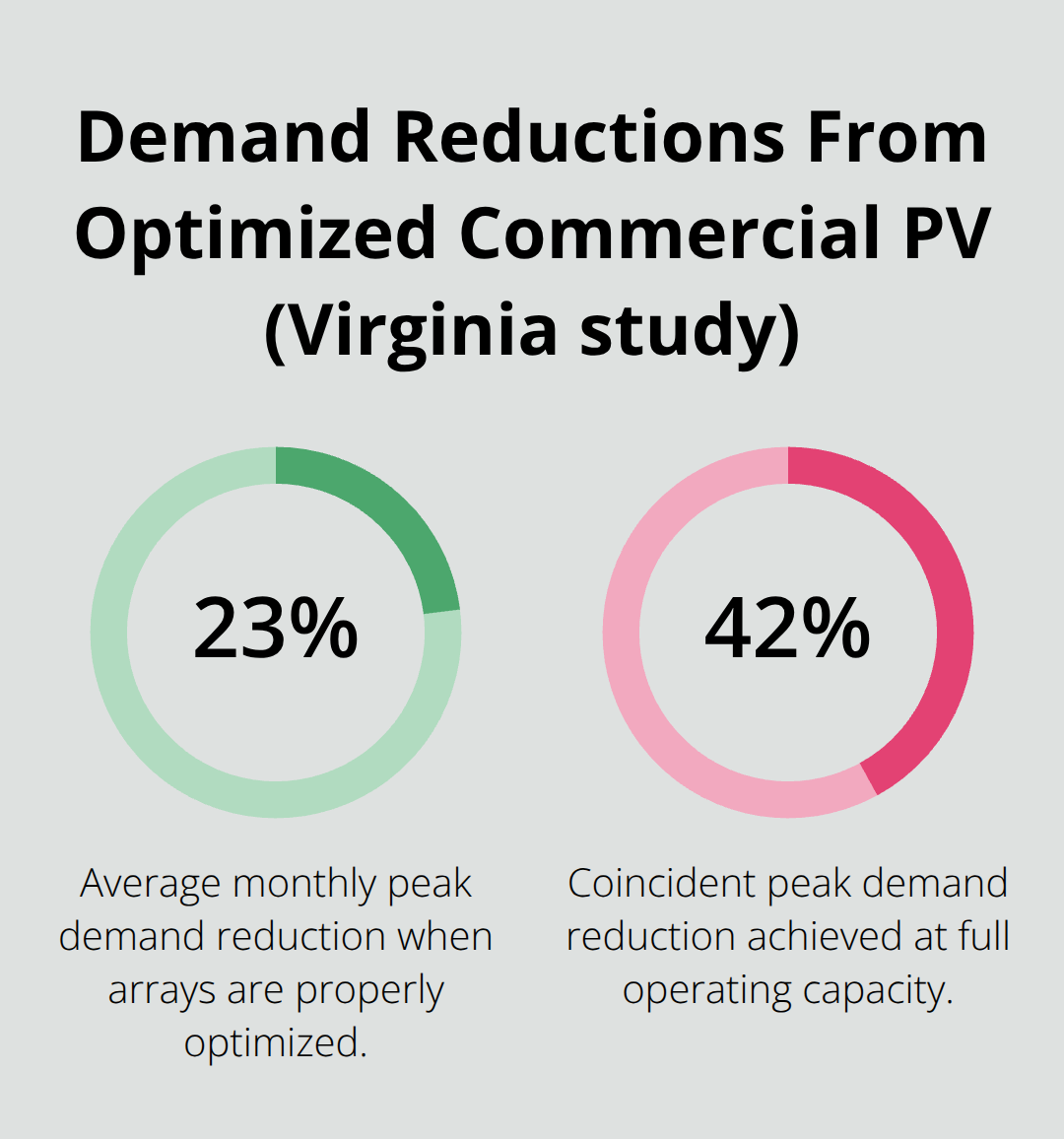
Commercial solar systems degrade at roughly 0.5 to 0.8% annually, but undetected defects and electrical faults accelerate this decline far beyond normal wear. Nine commercial-scale PV systems analyzed in Virginia showed that properly optimized solar arrays reduced monthly peak demand by an average of 22.9% and coincident peak demand by 42.3%-but only when operating at full capacity. A single faulty module, a string inverter misalignment, or a corroded electrical connection can reduce system output without triggering obvious alarms. For a 100 kilowatt system, that translates to significant lost annual revenue.
Many facility managers never detect the problem because their monitoring systems report aggregate output, masking the performance of individual panels or circuits. Standard visual inspections miss these issues entirely; a panel that appears clean and intact may harbor internal micro-cracks, delamination, or hot spots that throttle electrical output.
Roof Condition: The Overlooked Foundation of Solar ROI
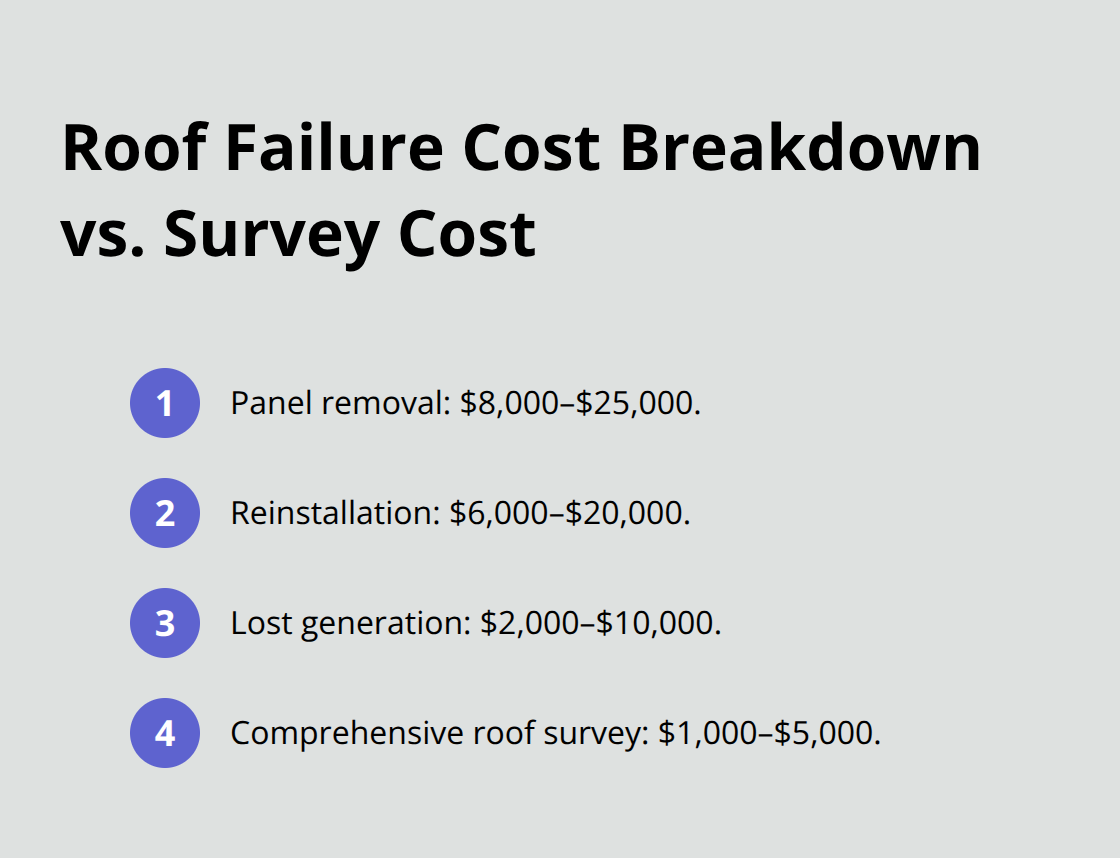
A second reality complicates the picture: roof condition directly impacts long-term solar ROI. Solar systems add significant structural load-typically 15 to 25 kilograms per square meter plus wind uplift and snow loads-and they must perform safely for 25 to 30 years. If your roof has 10 years of remaining service life and you install a 25-year solar system, you face a costly dilemma: the roof fails, panels require removal and reinstallation, and you absorb removal costs of $8,000 to $25,000, reinstallation costs of $6,000 to $20,000, plus lost generation of $2,000 to $10,000. A comprehensive roof survey costing $1,000 to $5,000 upfront prevents these downstream expenses and ensures your roof warranty remains valid.
Many installers skip this step, leaving property owners exposed to hidden structural or drainage problems that compound over time.
What Thermal Imaging Reveals That Visual Inspections Cannot
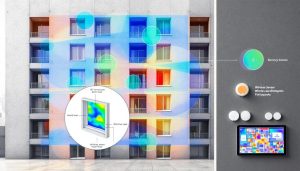
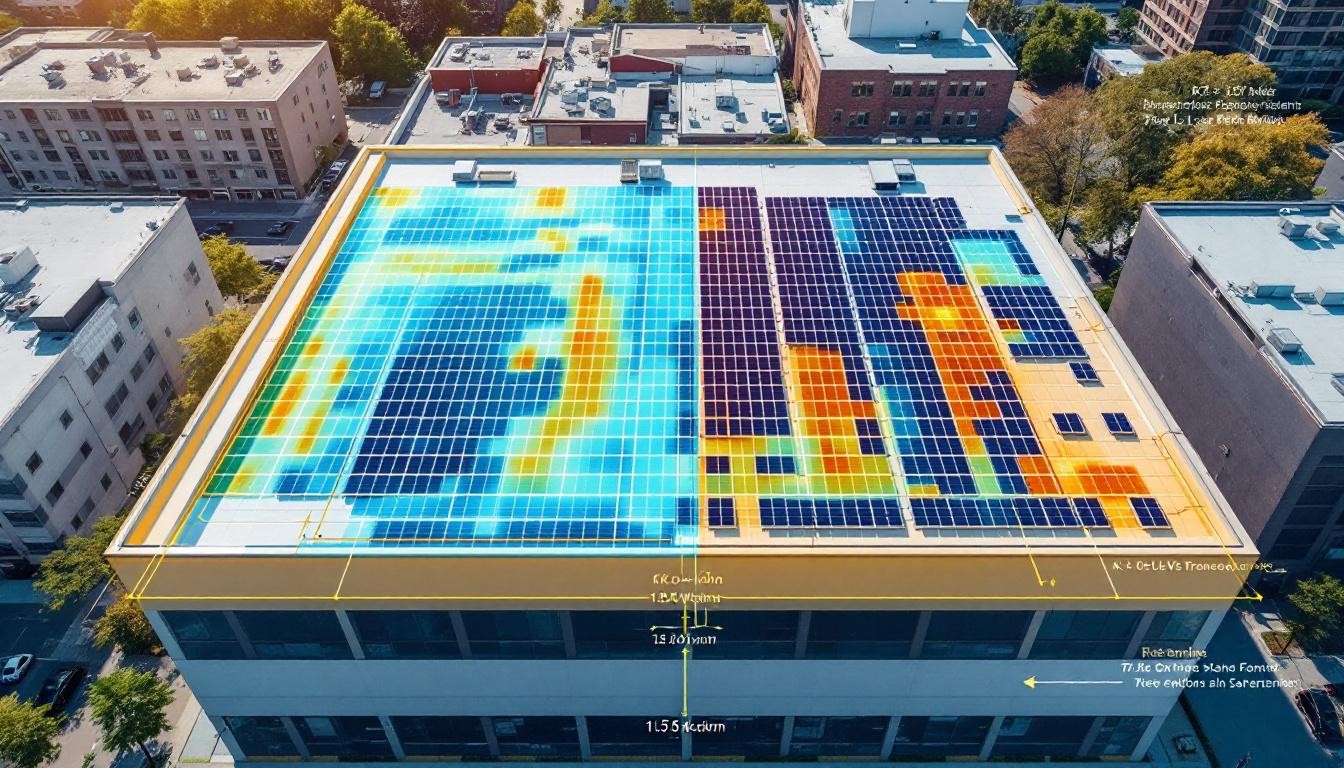
The gap between expected and actual performance widens because standard inspections rely on what installers can see with their eyes. Thermal imaging technology detects temperature variations across your solar array that indicate electrical resistance, internal panel damage, or connection failures-problems invisible to visual inspection. These heat signatures reveal which modules underperform and which electrical circuits operate inefficiently, allowing you to prioritize repairs and recover lost revenue. Thermal surveys also identify roof-level issues: wet insulation, thermal bridging, and moisture infiltration that compromise both roof integrity and solar mounting stability. This data-driven approach transforms a vague sense that something is wrong into a precise action plan.
Why Professional Solar Surveys Matter Now
Property owners who invest in a professional solar survey early catch problems before they compound into expensive failures. The survey identifies performance bottlenecks, validates roof structural capacity, and confirms that your system operates as designed. Without this assessment, you operate blind-losing thousands annually while your roof deteriorates beneath your panels. The next chapter explores how thermal imaging and advanced data analysis work together to unlock the full potential of your commercial solar investment.
How Thermal Imaging Detects Solar Performance Problems
Hot Spots Reveal Hidden Panel Damage
Thermal imaging exposes temperature anomalies across your solar array that signal electrical resistance, internal panel damage, or connection failures. When a solar module operates normally, it maintains a consistent temperature across its surface. A hot spot-an area significantly warmer than surrounding panels-indicates localized resistance that forces current to concentrate in a small region, degrading that module’s output and potentially damaging it permanently. These defects originate from manufacturing flaws, impact damage during installation, or progressive delamination that traps moisture inside the panel. A standard visual walk-around misses hot spots entirely because the panel’s exterior appears intact.
Thermal imaging captures infrared radiation emitted by each cell, displaying temperature differences as small as 2 to 3 degrees Celsius. For a 100 kilowatt commercial system with 250 to 300 modules, even a single module with a 15-degree hot spot reduces annual output by 2 to 4 percent-translating to $2,000 to $6,000 in lost annual revenue depending on your electricity rates and local solar resources. Electrical faults compound the problem: corroded connectors, loose terminal lugs, and failed bypass diodes all generate heat before they fail completely. Thermal imaging identifies these failures in their early stages, when repair costs remain manageable.
Electrical Faults and String Inverter Misalignment
String inverter misalignment represents a second category of invisible failure that thermal imaging exposes. When modules in a string operate at different temperatures or voltages, the inverter’s maximum power point tracker struggles to optimize output, and the weakest module effectively limits the entire string’s performance. Thermal imaging reveals which modules run cooler or hotter than their neighbors, signaling voltage imbalances or shading issues that degrade efficiency.
Nine commercial PV systems analyzed in Virginia demonstrated that properly optimized arrays achieved 22.9 percent monthly peak demand reduction, yet many systems never reach this potential because electrical mismatches go undetected. Roof-level thermal signatures also matter: wet insulation beneath mounting systems, thermal bridging through metal rails, and moisture infiltration under membranes all show up as temperature patterns that compromise both roof integrity and solar stability.
Converting Thermal Data Into Action
A comprehensive thermal survey costs roughly $1,500 to $3,000 for a typical commercial installation but identifies problems worth tens of thousands in lost revenue and future repair costs. The data becomes actionable immediately: you receive a thermal image map highlighting hot spots, their severity, and recommended repairs prioritized by impact on output. This approach transforms vague performance concerns into a precise work order that your maintenance team can execute with confidence.
High-resolution infrared cameras mounted on drone platforms capture thermal data across your entire roof in a single survey, eliminating blind spots that ground-level inspections create. The aerial perspective reveals patterns across your entire array that inspectors on the ground cannot see, and the speed of drone-based surveys means you spend less time with crews on your roof. Once you understand what thermal imaging reveals, the next step involves interpreting this data alongside your system’s electrical performance and historical output records to build a complete picture of where your system stands.
Turning Thermal Data Into Revenue Recovery
Thermal imaging and roof surveys produce detailed reports, but real value emerges only when you act on the findings. A thermal survey identifies hot spots, electrical faults, and roof vulnerabilities, yet many property owners file the report without translating those discoveries into repairs and performance improvements. The gap between data and action accumulates thousands in lost revenue. Your survey report should contain specific module locations, temperature differentials, estimated output loss from each defect, and a prioritized repair schedule ranked by financial impact. If your report lacks this specificity, you received a surface-level inspection, not a diagnostic assessment.
Quantifying Financial Impact From Defects
A 100 kilowatt system losing 3 percent annual output due to unrepaired hot spots and electrical faults forfeits roughly $3,000 to $4,500 in annual revenue, depending on your electricity rates and local solar resources. Over a 25-year system life, that compounds to $75,000 to $112,500 in foregone income. The first step after receiving your survey is to quantify the financial impact of each identified issue. Your survey provider should deliver a cost-benefit analysis showing repair costs against recovered annual output, allowing you to sequence work by return on investment rather than guesswork.
For example, if thermal imaging reveals a failed bypass diode in one module costing $300 to replace and recovering $800 in annual output, that repair pays for itself in less than five months. Conversely, if a minor hot spot causes $150 in annual loss and costs $250 to repair, you might defer that work until a scheduled maintenance window combines multiple repairs and reduces labor costs.
Building a Preventive Maintenance Schedule
Preventive maintenance converts survey data into long-term performance stability. Commercial solar systems degrade at roughly 0.5 to 1% annually under normal conditions, yet systems suffering from deferred maintenance and unaddressed electrical faults degrade twice as fast. Schedule quarterly thermal inspections of your highest-risk circuits and annual full-array thermal surveys to catch emerging problems before they compound.
Wet insulation beneath mounting systems, corroded connectors exposed to coastal salt spray, and loose terminal lugs all worsen progressively if ignored. Your roof condition also demands attention: a comprehensive roof survey costing $1,000 to $5,000 upfront prevents removal and reinstallation costs of $14,000 to $45,000 when your roof fails prematurely under solar load.
Monitoring Real-Time Performance Ratios
Monitor your system’s real-time output against expected production using performance-ratio analysis, which compares actual kilowatt-hours generated against theoretical production adjusted for weather and system losses. A healthy system typically achieves 85 to 95 percent of theoretical output. If your system drops below 80 percent, thermal imaging combined with electrical testing identifies the culprit fast.
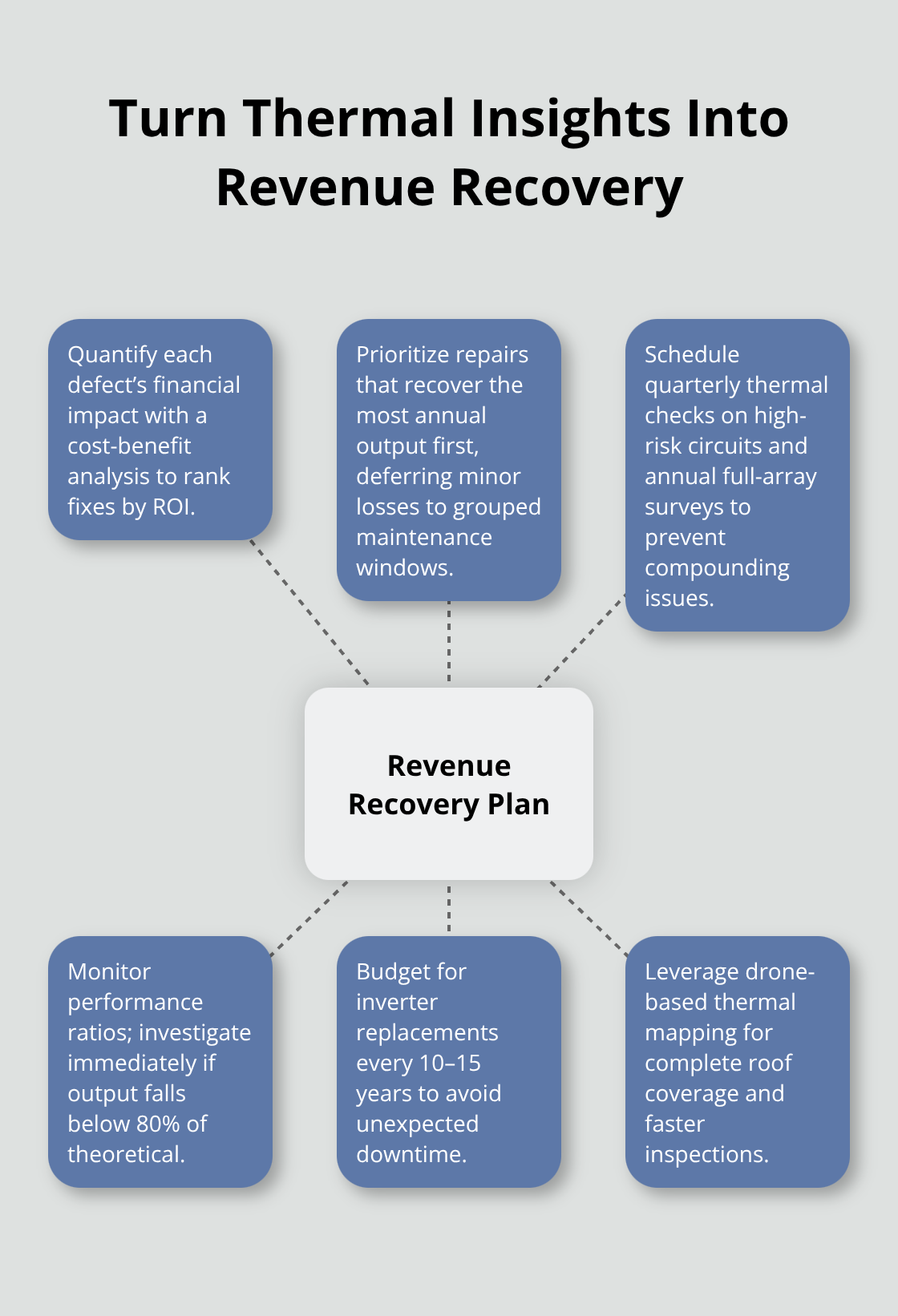
Many property owners neglect this step, attributing performance gaps to weather or seasonal variation rather than investigating root causes. Inverter replacement every 10 to 15 years represents another predictable maintenance cost that you should budget into your long-term financial model. Monitoring systems that integrate production data, weather variables, and performance ratios alert you to degradation trends before they become expensive problems.
Sustaining Long-Term System Economics
This data-driven approach to maintenance costs roughly $15 to $25 per kilowatt annually but prevents catastrophic failures and sustains the 15 to 20 years of near-free electricity that justified your initial investment. Quarterly and annual thermal surveys identify problems while repair costs remain manageable, and performance-ratio monitoring catches efficiency losses that compound over time. Your survey report transforms from a static document into a living maintenance roadmap that protects your revenue stream and extends your system’s productive life.
Final Thoughts
A commercial roof solar survey transforms vague performance concerns into precise action plans that protect your revenue stream. Thermal imaging reveals hot spots and electrical failures that visual inspections miss entirely, while structural assessment prevents the catastrophic scenario where your roof fails under solar load and forces expensive panel removal and reinstallation. These two elements work together to sustain the 15 to 20 years of near-free electricity that justified your initial investment.
We at IE Drone Services use FAA-certified drone platforms equipped with high-resolution and infrared cameras to deliver thermal inspections that identify performance problems fast. Our heat-sensing approach captures thermal data across your entire array in a single survey, and we provide actionable reports that quantify financial impact and prioritize repairs by return on investment. The cost of a professional inspection remains minimal compared to the thousands you recover by fixing problems early.
Contact IE Drone Services today to schedule your commercial roof solar survey. Your solar system represents a significant capital investment, and a professional inspection protects it with data-driven insights that keep your system performing at peak capacity for decades to come.