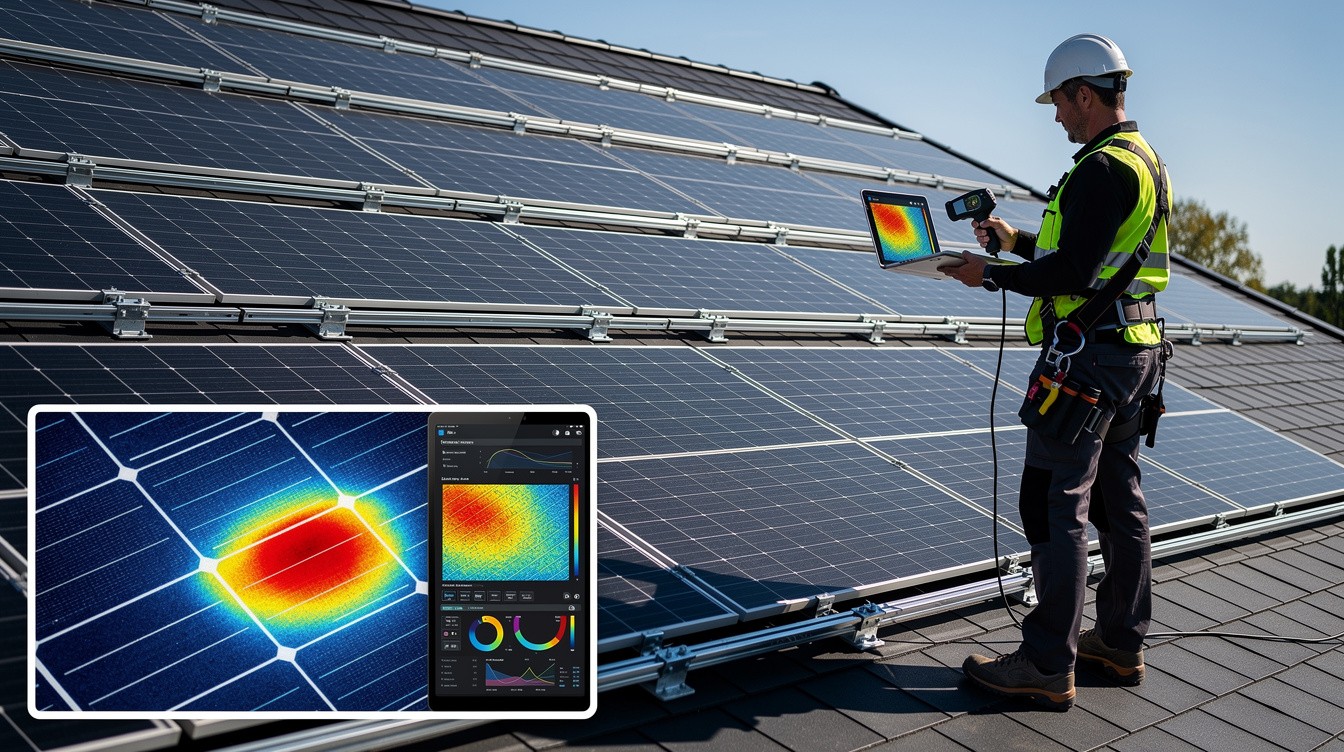
Solar panels lose efficiency the moment they’re installed. Weather, dirt, cracks, and shadows all work against your system’s performance-and most owners never see the damage coming.
At IE Drone Services, we’ve inspected thousands of rooftop solar arrays and found that nearly 20% of systems underperform due to issues invisible from the ground. A professional rooftop solar inspection reveals exactly what’s holding your panels back.
How Solar Panels Fail Faster Than You’d Expect
Hail, extreme heat, and UV exposure degrade panel materials at rates many owners underestimate. Research shows that hardware-related underperformance has surged 214% since 2019, impacting system reliability across the industry. Heatwaves accelerate encapsulant breakdown, while hail and high winds introduce micro-fractures in silicon cells that spread silently over months. Temperature cycling-where panels heat to 65°C during the day and cool at night-creates mechanical stress on solder joints and frame connections, weakening them year after year.
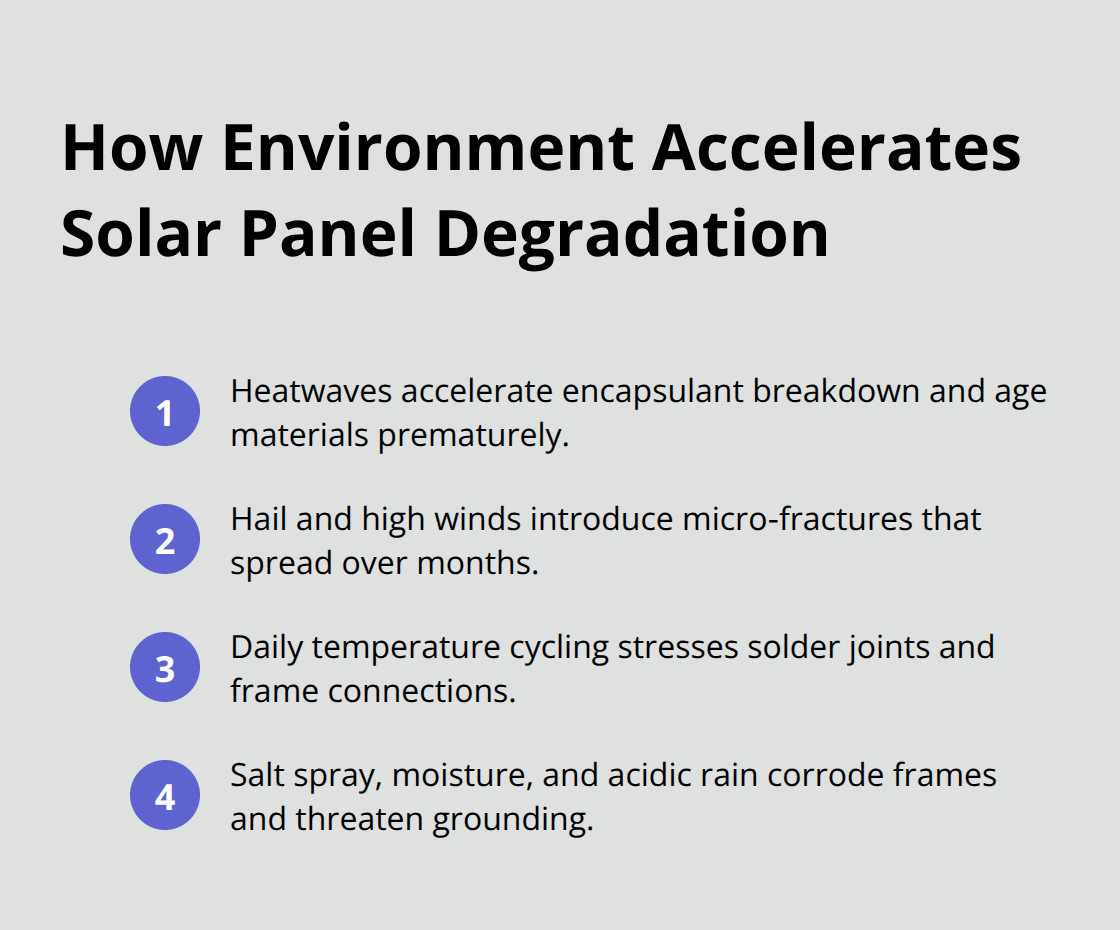
In harsh climates with heavy snow or extreme temperature swings, this degradation accelerates so significantly that inspections twice annually become necessary rather than optional. The frame itself corrodes when salt spray, moisture, or acidic rain penetrate the anodized aluminum coating, eventually compromising structural integrity and electrical grounding.
Manufacturing Defects Compound Environmental Damage
Micro-cracks in silicon cells often exist from the factory but remain invisible until thermal or electrical stress activates them. Electroluminescence testing reveals these hidden fractures, but most owners never perform this check until output drops noticeably. Bypass diode failure represents another manufacturing vulnerability; when these components fail, hotspots develop and efficiency plummets, sometimes by 20% or more in affected sections. Delamination-where the encapsulant separates from glass or backsheet-allows moisture to creep inside, triggering corrosion of busbars and junction boxes within months. Snail trails, those dark lines appearing on module surfaces, signal moisture-driven chemical reactions in the encapsulant and indicate that deeper defects are already underway. The PVEL 2024 reliability scorecard ranks modules by their performance in thermal cycling, humidity-freeze, and mechanical stress tests; selecting panels from top-rated manufacturers reduces long-term defect risk substantially. However, even premium panels degrade if soiling and shading go unchecked.
Dirt and Debris Reduce Output Faster Than Age Alone
Dust, bird droppings, pollen, and leaf litter block light from reaching cells, cutting energy output by 5–25% depending on severity and climate. In dry regions, this soiling accumulates steadily; in coastal areas, salt spray accelerates the problem. A single layer of dust reduces light capture enough to matter, yet most owners wait until panels look visibly dirty before considering cleaning. Performance data from monitoring systems reveals output dips that correlate directly with soiling events, but interpreting these signals requires discipline and attention. Shading from nearby trees or structures compounds soiling damage because shaded panels generate less current, and any additional obstruction-even partial-creates hotspots that stress bypass diodes further. Regular visual inspections catch new shading sources early, while simple cleaning with soft brushes following manufacturer guidelines restores output without risk of surface damage.
What You Can Track Between Professional Visits
Track inverter output weekly against weather patterns to spot performance shifts before they become severe problems. A sudden drop in energy production with stable weather signals that something has changed-whether soiling has accumulated, new shade has appeared, or an electrical fault has developed. Most owners miss these early warnings because they don’t actively monitor their systems, allowing small problems to compound into major efficiency losses. The data sits in your inverter or monitoring app, waiting for you to act on it. This is where professional inspections become invaluable: they confirm what your data suggests and identify issues your eyes cannot see.
Traditional vs. Drone-Based Solar Inspections
Ground-Level Assessments Leave Critical Problems Hidden
Climbing onto a roof with binoculars and a checklist sounds thorough, but ground-level assessments miss the problems that matter most. You cannot see micro-cracks, delamination, or bypass diode failures from the ground because these defects either hide beneath the panel surface or reveal themselves only through thermal or electrical signatures invisible to the naked eye. A technician standing at roof edge can spot obvious dirt or visible frame damage, but they cannot measure the exact temperature of each panel, map shadow patterns across the entire array throughout the year, or detect the electrical faults that steal energy from your output.
Ground inspections force workers into safety risks: ladders, uneven roof surfaces, fall hazards, and the physical strain of accessing every corner of a large array. Most property owners never conduct ground inspections at all, which means problems compound unchecked until monitoring data shows a significant output drop-often too late to prevent warranty disputes or lost energy value. The 2025 Global Solar Report by Raptor Maps documented that hardware-related underperformance has cost the industry roughly $10 billion in lost energy value since 2019, and many of those failures went undetected during their early stages simply because inspectors lacked the right vantage point and tools.
Aerial Platforms Reveal What Ground Inspectors Cannot
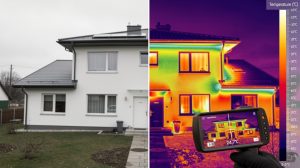
Drone-based inspections eliminate these blind spots entirely. Aerial platforms equipped with high-resolution and infrared cameras capture thermal data showing exactly which panels run hot-a sign of electrical faults or shading stress that reduces efficiency dramatically. High-resolution imagery at 1–2 centimeter resolution reveals micro-cracks, discoloration, delamination, and frame corrosion that ground inspections cannot detect, while thermal imaging identifies bypass diode failures and connection issues before they cause catastrophic losses.
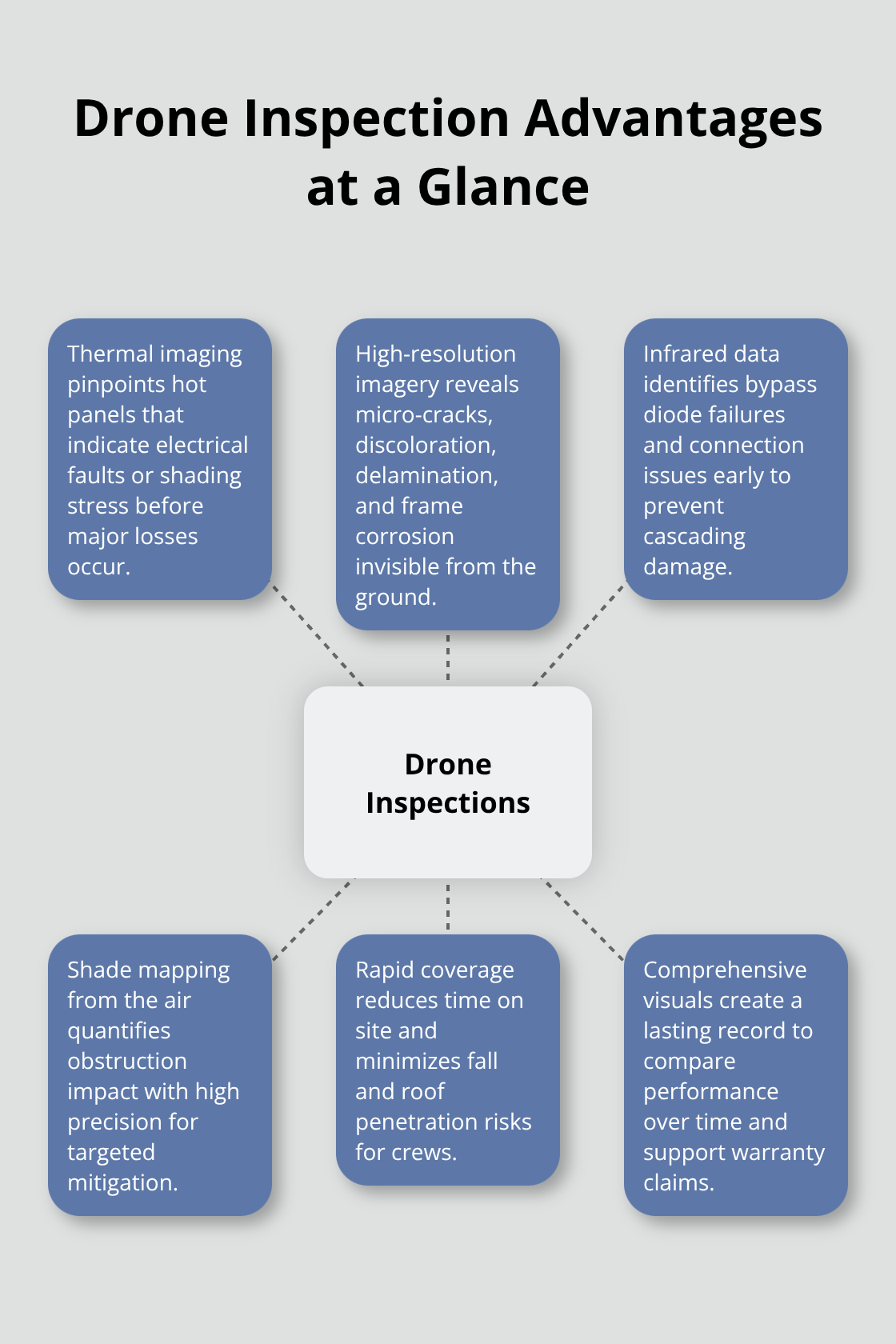
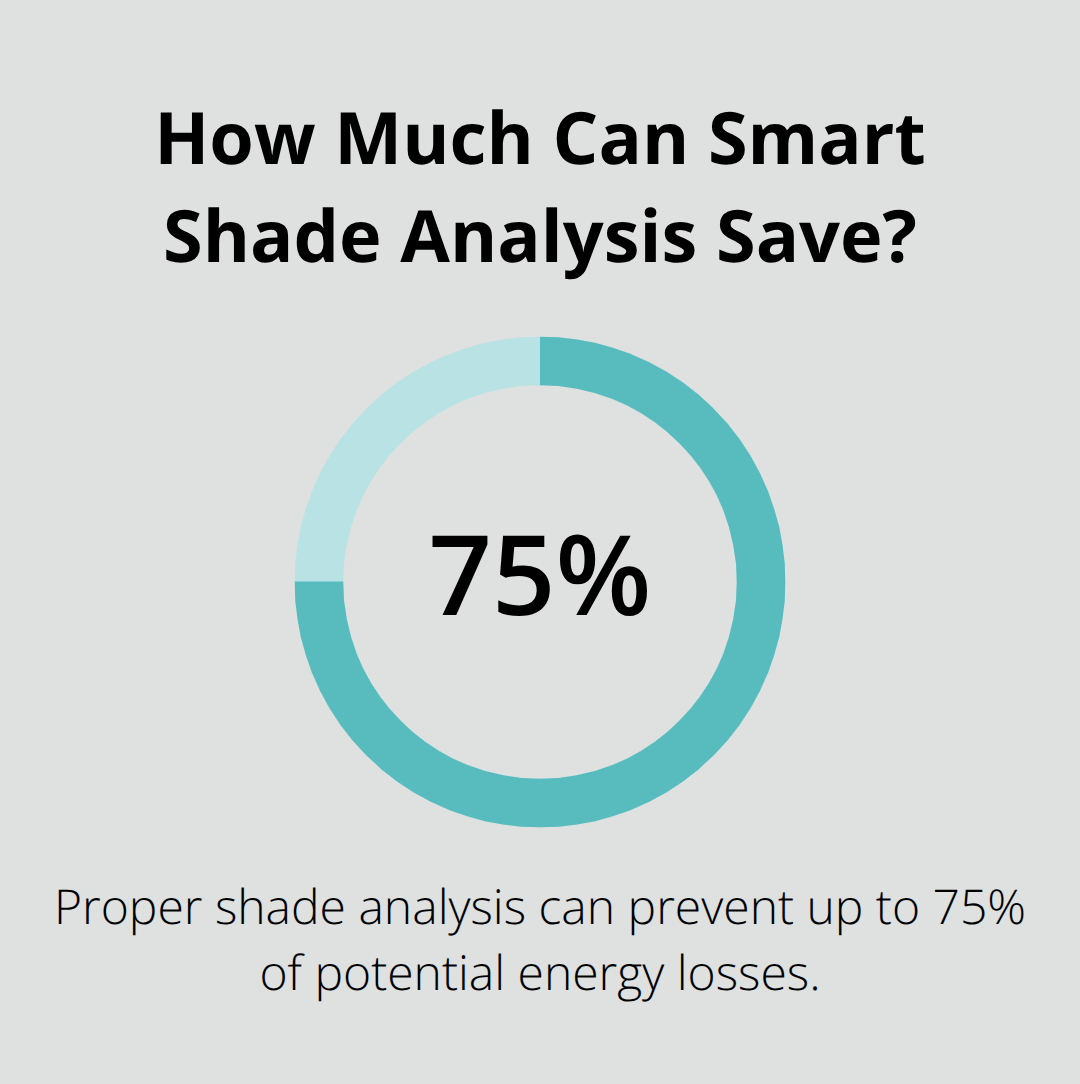
Shade analysis using drone-collected data now achieves ±1–2% accuracy with LiDAR and aerial imagery, compared to the ±5–10% uncertainty of traditional ground-based shade studies. This precision matters because proper shade analysis prevents up to 75% of potential energy losses by identifying obstructions early and quantifying their exact impact on your system. Drone inspections complete large rooftop arrays in hours rather than days, eliminating worker exposure to fall risks and roof penetration hazards, while the aerial perspective shows vegetation growth patterns, nearby construction threats, and seasonal shadow shifts that ground inspectors miss.
Speed and Safety Advantages That Protect Your Investment
Aerial inspections reduce inspection time dramatically, which lowers labor costs and minimizes roof access risks. Workers stay on the ground while the drone captures comprehensive data from every angle, including areas difficult or dangerous to reach manually. This approach protects both personnel and your roof from unnecessary foot traffic and potential damage.
The data collected during a drone inspection provides a permanent record you can reference for years. Thermal images, high-resolution photos, and shade analysis reports create a baseline for future comparisons, helping you track how your system ages and respond to changes before they impact performance significantly. This documentation also supports warranty claims and helps you make informed decisions about maintenance or upgrades.
IE Drone Services uses FAA-certified platforms with thermal and high-resolution cameras to deliver the data that protects your investment and reveals exactly where energy losses hide. Understanding what drones can detect sets the stage for identifying the specific shading issues and electrical problems that most commonly undermine rooftop solar performance.
Identifying Shading Issues and Performance Problems
Shading Destroys Solar Output Faster Than Most Owners Realize
Shading represents the single most destructive force on rooftop solar performance, yet most owners never quantify its impact until output data reveals the damage. A tree branch that creeps into afternoon shadow, a neighboring building, or even roof geometry itself can reduce energy production by 20–30% annually in affected sections. The problem intensifies because shaded panels force unshaded panels to work harder, creating electrical stress that accelerates degradation of bypass diodes and junction boxes. Proper shade analysis prevents up to 75% of potential energy losses by identifying obstructions early, but traditional ground-based methods carry ±5–10% uncertainty that leads to miscalculations about system viability.
Precision Shade Mapping Reveals Hidden Energy Losses
Drone-collected shade data achieves ±1–2% accuracy using LiDAR and aerial imagery, revealing exactly where shadows fall throughout the year and how they interact with your specific array layout. This precision matters because a 2% error in shade calculation translates to thousands of dollars in underestimated energy loss over a 25-year system lifetime. Aerial inspections map shadow patterns across your entire roof during peak production hours (9 AM to 3 PM) when shade impact matters most. The thermal data collected simultaneously shows another critical problem: hot spots that indicate electrical faults or shading stress beneath panel surfaces.
When bypass diodes fail or connections loosen, affected panels generate excess heat while producing little power-a signature visible only through infrared imaging. These hotspots often precede complete module failure by months, making early detection essential for preventing warranty disputes and protecting your energy investment.
Thermal Imaging Detects Electrical Faults Before Failure
Thermal imaging detects electrical faults before failure, capturing temperature differences across your array that reveal which panels operate under stress. A panel running 10–15°C hotter than its neighbors signals a connection problem, bypass diode failure, or localized shading that reduces current flow. This thermal signature appears long before output drops enough to trigger monitoring alerts, giving you time to address the issue before it spreads to adjacent modules. Professional inspections translate thermal data into specific locations and probable causes, eliminating guesswork about where problems originate.
Quantifying Energy Loss Requires Active Monitoring
Monitoring systems track inverter output hourly, and this data reveals patterns: production dips at specific times correlate directly with shade from known obstacles, while performance remains steady when those areas receive direct sun. Professional inspections translate this performance data into actionable recommendations about vegetation management, potential panel repositioning, or acceptance of reduced yield based on your specific site conditions.
Vegetation growth accelerates every year, meaning shading that affects 10% of your array today may affect 25% within five years if trees are not managed proactively. Drone inspection reports document baseline conditions with aerial imagery and shade analysis, creating a reference point for future comparisons. This documentation protects your investment by establishing what performance you should expect and identifying when new obstacles emerge. The cost of addressing shading issues early-trimming trees, removing debris, or repositioning panels-remains far lower than accepting permanent efficiency losses or waiting until output drops so dramatically that warranty claims become necessary.
Final Thoughts
Your rooftop solar system loses money every day that panel degradation, shading, and electrical faults remain undetected. Hardware-related underperformance has cost the industry billions since 2019, and most of those losses happened silently while owners relied on ground-level assessments that miss the problems that matter most. Micro-cracks, bypass diode failures, delamination, and thermal hotspots stay invisible until they’ve already stolen significant energy value from your investment, while shading compounds this damage by forcing unshaded panels to work harder and accelerating the very degradation that reduces your long-term output.
A professional rooftop solar inspection changes this equation entirely. Thermal imaging reveals electrical faults before they cascade into module failure, high-resolution aerial imagery detects the micro-cracks and discoloration that ground inspectors cannot see, and precision shade analysis with ±1–2% accuracy quantifies exactly how much energy obstructions steal from your system. This data becomes your baseline for tracking how your system ages and responding to new threats like vegetation growth or nearby construction before they impact performance, while regular monitoring between inspections catches performance shifts before they become severe.
IE Drone Services uses FAA-certified platforms with high-resolution and infrared cameras to deliver the precise, actionable data that protects your solar investment. A professional inspection takes hours instead of days, eliminates worker safety risks, and creates a permanent record you can reference for years-contact us today to schedule your rooftop solar inspection and identify exactly where energy losses hide in your system.