Energy waste in buildings costs businesses and homeowners thousands of dollars annually. Most of this waste goes undetected because the problems are invisible to the naked eye.
Thermal imaging reveals exactly where your building loses heat and money. At IE Drone Services, we use thermography energy efficiency assessments to pinpoint these hidden losses and help you take action.
Where Your Building Actually Loses Energy
How Thermal Imaging Reveals Hidden Energy Loss
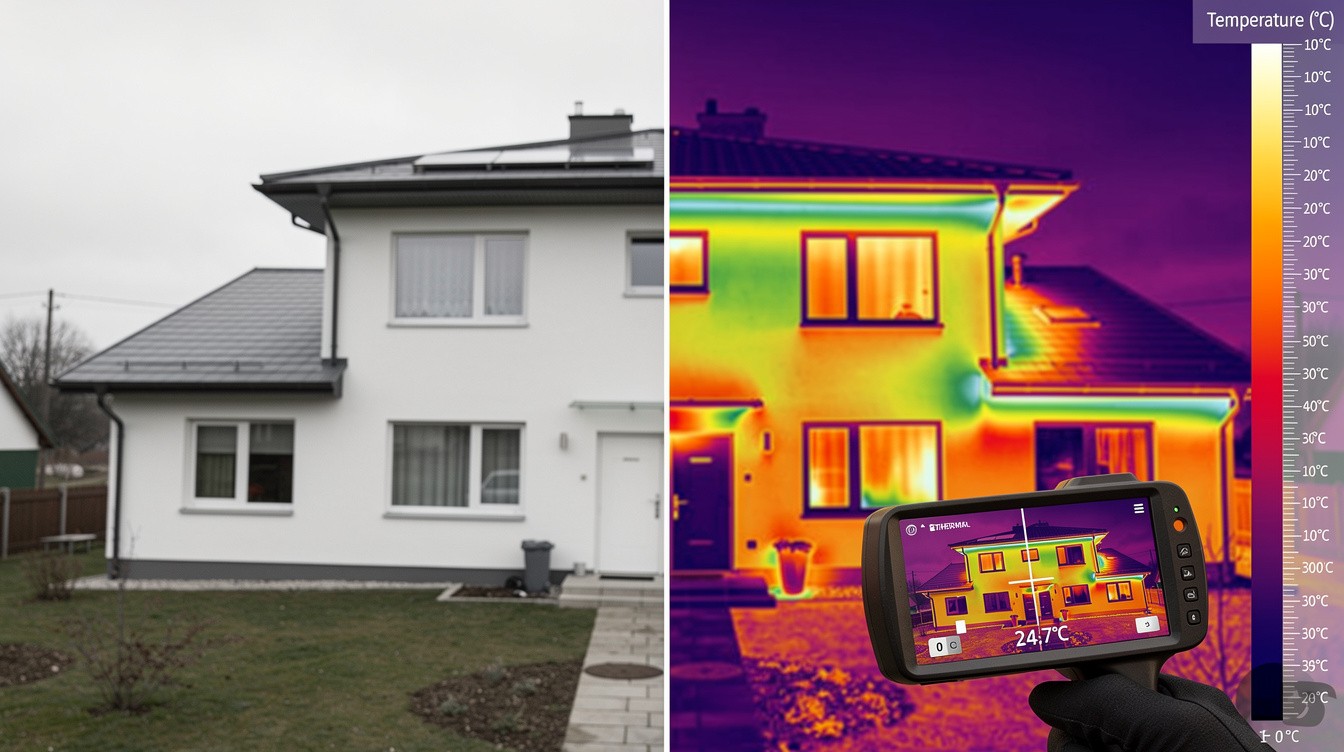
Thermal imaging exposes the invisible pathways where heat escapes your building. A thermal camera detects infrared radiation emitted by surfaces and converts it into a color-coded image that shows temperature variations across walls, roofs, windows, and mechanical systems. The warmer areas appear white or red, while cooler areas show as blue or black. This temperature mapping reveals exactly where insulation fails, air seals break down, and equipment malfunctions. According to the U.S. Department of Energy, interior thermographic scans are more accurate than exterior ones because reduced air movement creates clearer thermal signatures.
Heat Loss Through Walls and Roofs
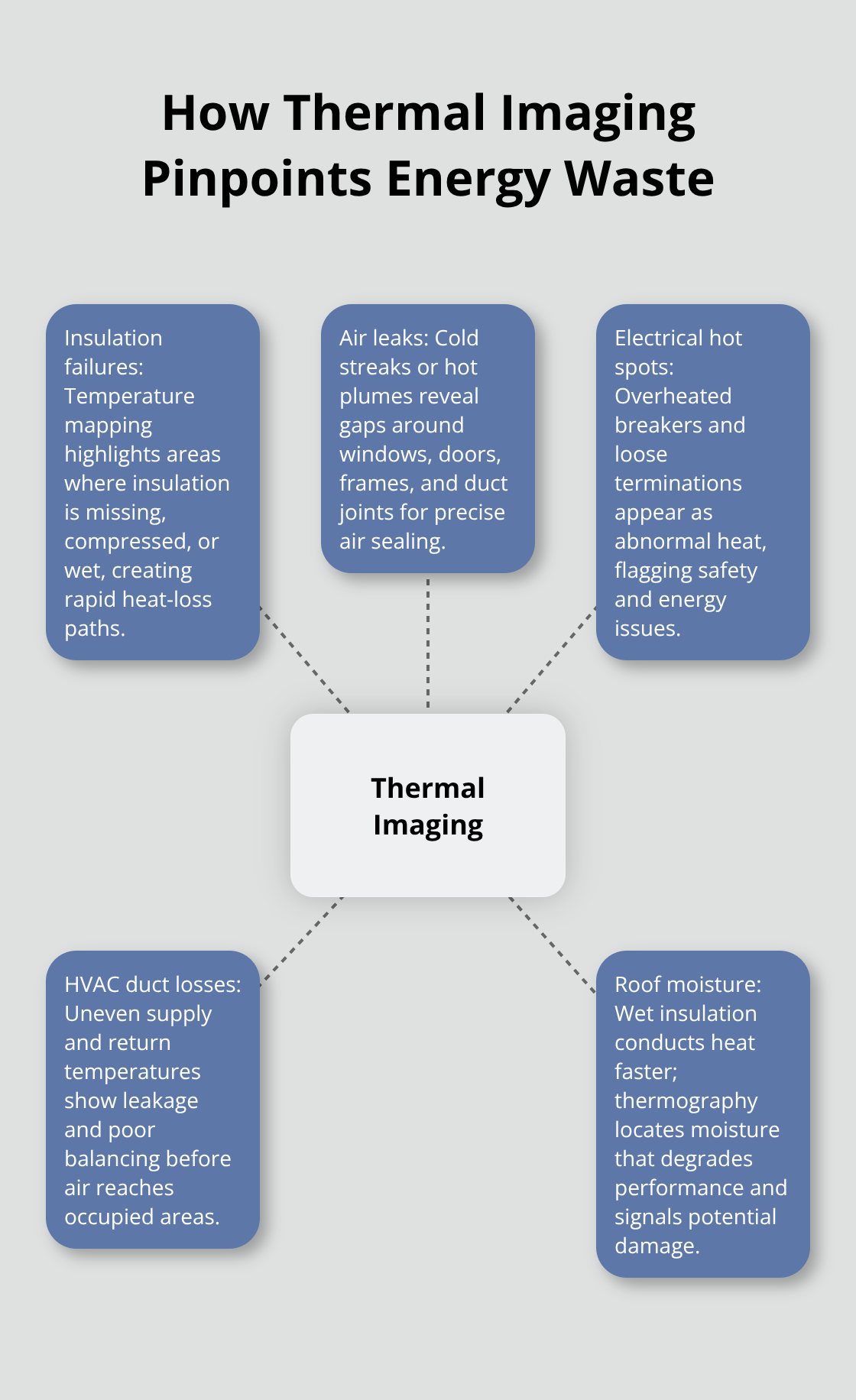
Heat loss through walls and roofs typically accounts for 25 to 30 percent of total building energy waste, making these areas the first priority in any energy audit. Roofs are particularly vulnerable because wet insulation conducts heat far faster than dry insulation, and thermography detects these moisture-related problems before they cause structural damage or mold growth. A substantial temperature difference between indoors and outdoors (at least 20 degrees Fahrenheit) is essential for thermography to reveal insulation gaps and thermal bridging where studs or structural elements create pathways for heat to escape.
Air Leaks and Electrical Problems
Air leaks in walls, around windows, door frames, and ductwork represent the second major source of energy waste that thermal imaging identifies with precision. When a blower door test runs simultaneously with thermography, air leaks appear as black streaks in the thermal image, making their location unmistakable for targeted sealing. Electrical panels and breakers frequently show abnormal heat patterns indicating loose terminations, imbalanced electrical phases, or overloaded circuits that waste energy and pose safety risks.
HVAC System Performance and Inspection Timing
Failed HVAC systems reveal themselves through inconsistent temperature patterns in supply and return ducts, showing where heated or cooled air escapes before reaching occupied spaces. A professional thermal inspection typically takes one to three hours depending on building size and the number of systems being assessed. The results provide actionable data showing exactly where insulation upgrades, air sealing, electrical repairs, or HVAC maintenance will deliver measurable energy savings. Northern climate buildings should schedule thermography in winter when the indoor-outdoor temperature differential is greatest, while southern properties benefit from scans during warm weather with air conditioning running to create the necessary thermal loading.
Understanding what thermography reveals is only the first step. The real value emerges when you apply these findings to actual buildings and operations across different property types.
Real-World Applications of Thermal Imaging for Energy Savings
Commercial Office Buildings
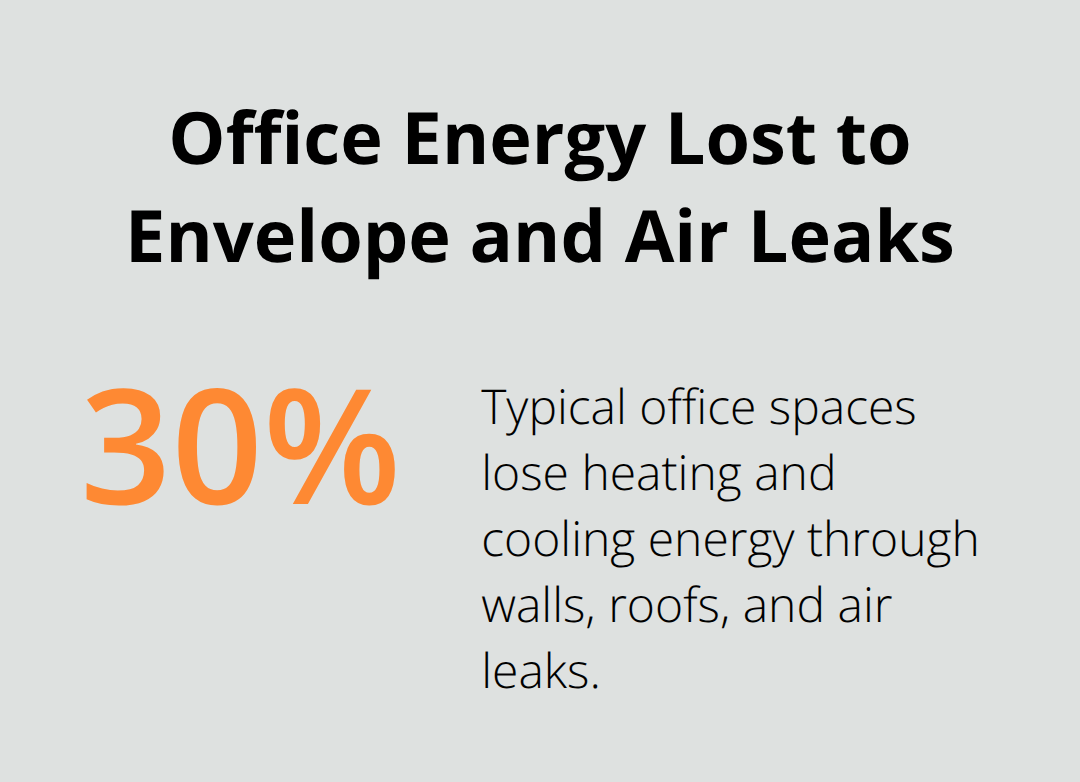
Commercial office buildings waste enormous amounts of energy through undetected envelope failures. A typical office space loses around 30% of its heating and cooling energy through walls, roofs, and air leaks, according to the U.S. Department of Energy.
Thermography reveals exactly which zones bleed energy, allowing facility managers to prioritize repairs that eliminate the largest losses first. When you scan electrical distribution systems, you catch overheated breakers and loose terminations that consume power without producing work. HVAC ductwork shows where conditioned air escapes before reaching occupied spaces, and roof thermography identifies moisture trapped in insulation that degrades thermal performance far faster than dry material.
A professional thermal assessment of a mid-sized office typically takes two to three hours and produces a prioritized action plan showing energy-saving opportunities ranked by impact. The most cost-effective repairs address the hottest thermal signatures first, delivering measurable kilowatt-hour reductions within weeks of completion.
Residential Properties and Rental Portfolios
Residential properties and rental portfolios benefit equally from targeted thermography. Homeowners often spend thousands annually heating or cooling spaces that lose conditioned air through invisible gaps around windows, doors, and rim joists. A thermal scan identifies these exact locations, turning expensive guesswork into precision air-sealing work that costs far less than replacing HVAC equipment. Property managers overseeing multiple units can use thermography to verify that insulation was installed correctly during renovation work, avoiding expensive callbacks and tenant complaints about temperature inconsistency.
Industrial Facilities and Manufacturing Plants
Industrial facilities and manufacturing plants depend on consistent environmental conditions for product quality and equipment longevity. Thermography detects failed insulation on steam lines, refrigeration systems, and compressed air networks where heat loss directly translates to wasted operational dollars. A manufacturing plant operating machinery 24/7 can recover significant energy waste by identifying and sealing air leaks in production areas and repairing insulation around thermal process equipment. The thermal data becomes part of a permanent maintenance record showing exactly where each dollar of energy loss occurs, enabling predictive maintenance that prevents emergency shutdowns.
These real-world applications show how thermography transforms energy management across different property types. The next step involves understanding how to schedule and execute a professional thermal inspection that captures accurate data and produces actionable results.
Implementing a Thermography Energy Audit
Scheduling Your Thermal Inspection at the Right Time
Scheduling a professional thermal inspection requires understanding when conditions align for accurate data capture and what information you need before the technician arrives. Temperature differential matters more than most property managers realize-the U.S. Department of Energy specifies at least a 20-degree Fahrenheit difference between indoor and outdoor conditions for thermography to reveal meaningful thermal signatures. In northern climates, this means scheduling winter inspections when outdoor temperatures drop and heating systems run continuously. Southern properties require scans during warm weather with air conditioning operating to create the necessary thermal loading. Timing your inspection within 30 minutes before or after sunset maximizes the useful temperature window when buildings retain heat differently from their surroundings.
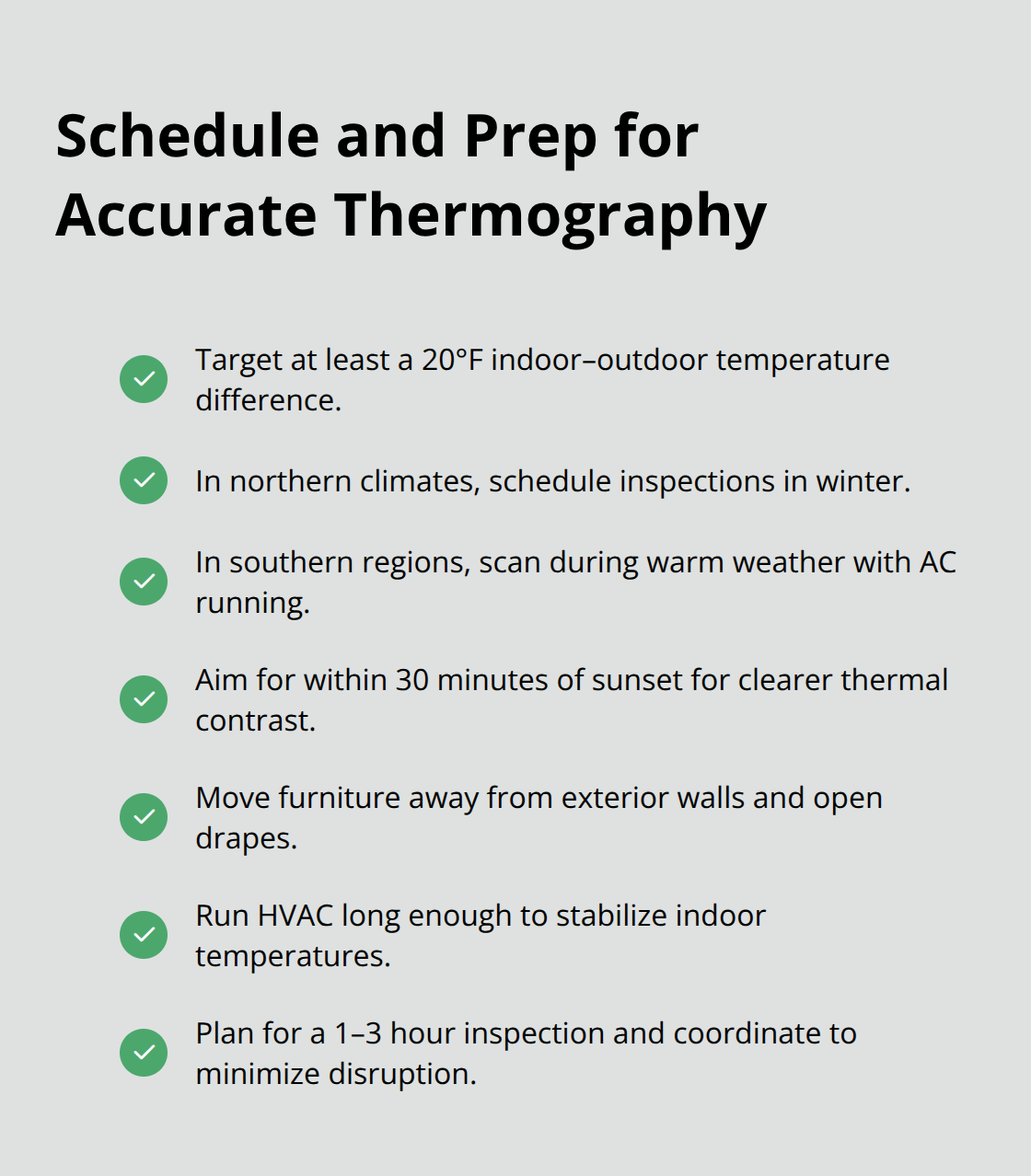
Before the technician arrives, move furniture away from exterior walls and remove drapes covering windows. Ensure HVAC systems have been running long enough to establish consistent indoor temperatures-sometimes up to four hours of thermal loading is necessary depending on building mass and insulation conditions. A professional thermal inspection of a mid-sized commercial building or large residential property typically takes one to three hours, so coordinate with facility staff to minimize disruption during normal operations.
Reading Your Thermography Report
A certified thermal imaging inspection produces color-coded images that show temperature variations across walls, roofs, electrical systems, and mechanical equipment. White or red indicates warmer areas, while blue or black shows cooler zones where heat escapes. The report should prioritize findings by thermal severity, ranking the largest energy losses first so you address the problems that deliver the biggest kilowatt-hour reductions.
Electrical hot spots deserve immediate attention because overheated breakers and loose terminations pose safety risks alongside energy waste. Roof moisture detection prevents structural damage that costs exponentially more than preventive sealing. Air leaks around windows, doors, and ductwork appear as distinct temperature variations, giving you exact locations for targeted caulking and weatherstripping rather than whole-building solutions. Request a detailed action plan from your thermal inspector that specifies which repairs offer the fastest payback and which can wait for budget cycles.
Acting on Thermal Findings
Wet insulation in roofs or walls conducts heat far faster than dry material, so moisture-related findings should drive immediate corrective action. Start with the thermal signatures showing the largest heat losses and schedule air sealing and insulation work in those zones first, then address secondary issues as budget allows.
Track your energy consumption before and after repairs to quantify actual savings and validate that the thermal inspection guided you toward genuine efficiency improvements rather than speculative upgrades.
Final Thoughts
Thermography energy efficiency works because it transforms invisible energy waste into visible, actionable data that drives real repairs. Your thermal inspector captures images showing exactly where heat escapes, where air leaks occur, and where equipment fails-eliminating the guesswork that leads to wasted money on ineffective upgrades. Once you understand where your energy actually goes, prioritizing repairs becomes straightforward: address the largest thermal signatures first and watch your energy bills drop measurably within weeks.
The financial returns from thermography-guided improvements are substantial. Commercial buildings that seal air leaks and upgrade insulation based on thermal data typically recover their inspection costs within months through reduced heating and cooling expenses, while residential properties see similar payback periods when homeowners target the exact locations where conditioned air escapes. Industrial facilities benefit from identifying failed insulation on process equipment and steam lines, where heat loss directly translates to operational waste (these aren’t theoretical savings-they’re real kilowatt-hour reductions that appear on your next utility bill).
Starting your thermal assessment requires scheduling an inspection during the right season and confirming your building has the necessary temperature differential between indoors and outdoors. A professional thermal inspection takes just a few hours and produces a prioritized action plan showing which repairs deliver the fastest energy savings. Contact IE Drone Services to schedule your thermal building inspection and start recovering the energy your building is currently losing.